
Livraison le jour même ou le lendemain

Qualité garantie

Débloquez vos offres de bienvenue: Livraison GRATUITE | Jusqu'à -80 % | 30 jours d'essai gratuits à JoyPlus
Téléchargez l'application
The printer light starts blinking, and the infamous "Low Ink Level" message appears... a classic scenario, and always at the worst possible moment. Replacing an ink cartridge seems like a simple task. Yet, the market is a minefield where a good deal can quickly turn into a money pit or a technical headache.
Here at the editorial desk, our mission is to help you see things more clearly. Let's cut through the marketing jargon and focus on what's essential. Here are the most common mistakes to avoid and our advice for making the right choice with complete peace of mind.
To ensure you never make a mistake again, you only need to check three things. They are the key to finding the perfect model for your needs and your budget.
This is the starting point, and it's non-negotiable. Every printer is designed for a very specific series of cartridges. Using an incorrect part number, even if the cartridge looks identical, is a recipe for failure.
To find the right part number, you have several options:
Manufacturers almost always offer the same part number in two sizes: standard and high capacity (usually marked as XL).
The page yield is indicated as a number of pages, according to the ISO/IEC 24711 standard (based on a standard document with 5% coverage). An XL cartridge can print 2 to 3 times more pages than a standard version, for a price that is far from being doubled or tripled. The math is simple.
Not all printer inks are created equal. Their chemical composition defines their preferred use.
Good to know: Most modern printers combine a black pigment-based cartridge for text and dye-based colour cartridges for images.
To guide you, here is a selection of cartridges that meet specific needs, taking into account the criteria we've just discussed.
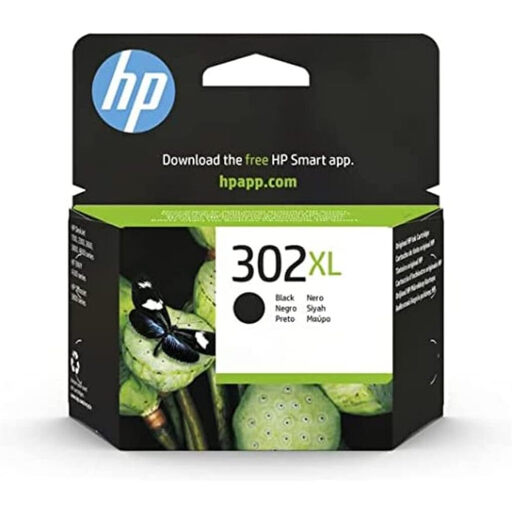
Perfect for those who regularly print documents (contracts, reports, invoices). The XL size optimises costs and reduces the frequency of replacements: a valuable time and money saver in a professional environment.
This high-capacity XL cartridge avoids the false economy trap. Its yield of approximately 480 pages ensures a much lower cost per page than the standard version (190 pages).
Its high-density pigment-based ink guarantees crisp, sharp black text that resists both water and highlighters. Perfect compatibility with HP DeskJet, OfficeJet, and ENVY series.
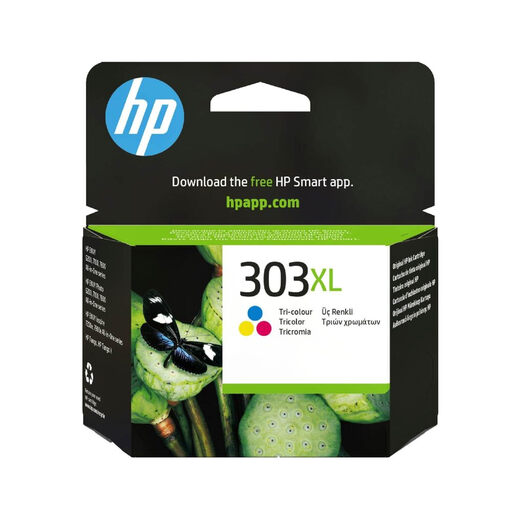
Specifically designed for the HP ENVY Photo series, this cartridge is optimised for exceptional image quality. Ideal for enthusiasts who want to immortalise their memories with true-to-life, long-lasting colours.
By using a dye-based ink, it avoids the trap of using the wrong ink type for this purpose. It guarantees subtle gradients and vibrant colours, which are essential for quality photo printing.
Its high yield (approximately 415 pages) allows you to print numerous photos without worrying about the ink level. The HP-designed formula resists fading and ensures your prints have excellent longevity.
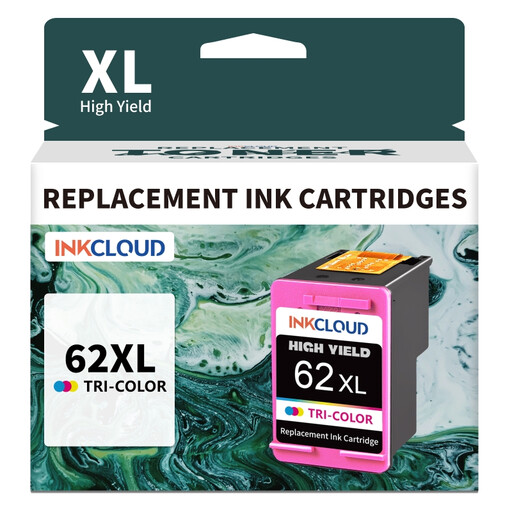
The budget-friendly alternative for everyday printing: lecture notes, drafts, administrative documents. It combines a high print volume with a low purchase cost, the perfect combination for a student budget.
This compatible cartridge from a reputable brand avoids the incompatibility trap. It is equipped with an up-to-date chip to ensure it's recognised by the printer, thus preventing unpleasant surprises.
A high yield (approximately 415 pages in colour) at an unbeatable price. The ideal solution for managing your daily printing budget when absolute colour fidelity is not the top priority.
We have selected a full range of products that meet our quality and compatibility criteria.
The risk is real, especially with "no-name" cartridges or those from unreliable sources. Poor-quality ink can dry out and clog the print heads, while a poorly designed cartridge can cause leaks. To avoid trouble, opt for reputable compatible brands that invest in the quality of their chips and inks. Of course, original manufacturer (OEM) cartridges remain the sure bet for absolute peace of mind.
A new ink cartridge, in its sealed packaging, can generally be stored for 18 to 24 months. It's best to store it in a cool, dry place, away from light. Once opened, it is advisable to install and use it within 6 months to prevent the ink from drying out.
The page yield advertised by manufacturers (e.g., 200 pages) is based on the ISO/IEC 24711 standard, which simulates printing text documents with a 5% coverage rate. If you print photos, graphics, or full pages, ink consumption is naturally much higher, and the number of printed pages will therefore be lower. Nevertheless, this ISO standard remains the only reliable indicator for comparing the page yield of two cartridges.