
Livraison le jour même ou le lendemain

Qualité garantie

Débloquez vos offres de bienvenue: Livraison GRATUITE | Jusqu'à -80 % | 30 jours d'essai gratuits à JoyPlus
Téléchargez l'application
Is your printer's ink light flashing? Are your prints coming out faded? There's no doubt about it: it's time to replace your ink cartridge. But faced with a jungle of model numbers, sizes, and technologies, the task can quickly become a headache. Making the wrong choice has real consequences: it can not only ruin the quality of your prints but also damage your printer.
As a product expert at Joybuy, I'm here to help you make sense of it all. Let's break down the common pitfalls and the essential criteria for finding THE perfect cartridge for your needs, without the marketing jargon.
The consumables market is full of deals that are too good to be true. Here are the most common mistakes that lead to nasty surprises... and unnecessary expenses.
To get it right every time, there are three things to check. They are your guarantee of a stress-free purchase that is perfectly suited to your usage.
This is the non-negotiable criterion. Every printer is designed to work with a specific series of cartridges. Even if an incompatible cartridge seems to fit, it won't work and could damage the printer's carriage.
Manufacturers generally offer two sizes for the same model number.
This technical distinction has a direct impact on the final look of your prints.
To guide you, here are three options that each meet a specific need.
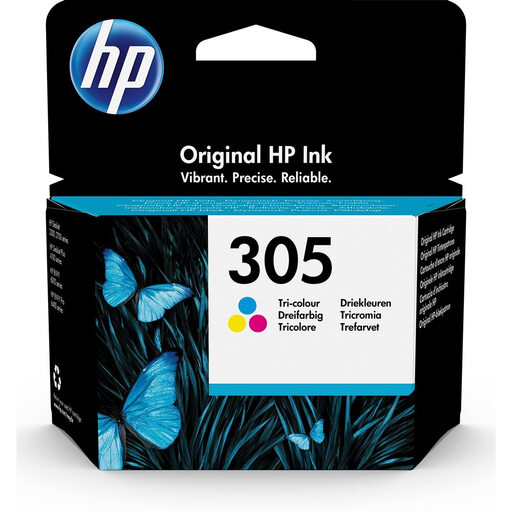
Why we chose it: Perfect for students or families printing homework, plane tickets, or a few photos from time to time. Its affordable price point is ideal for occasional needs without breaking the bank.
As a genuine HP cartridge, it ensures perfect compatibility with dedicated printers (HP DeskJet 2700/4100 series, ENVY 6000/6400 series). Zero risk of non-recognition or hardware failure.
Reliability and consistent print quality for all everyday documents. The dye-based ink ensures vibrant colours for graphics and those few holiday photos.
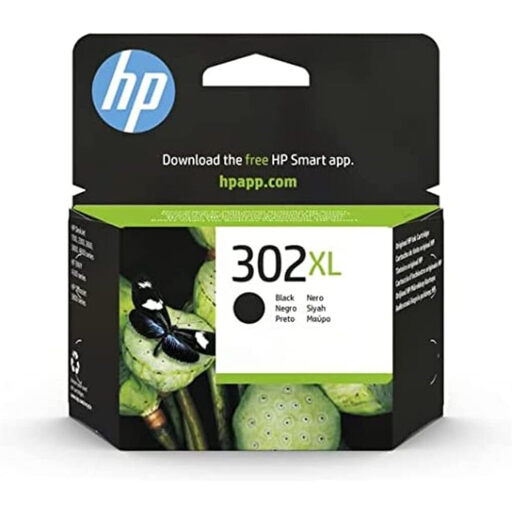
Why we chose it: Essential for remote workers, small businesses, or anyone who prints a lot of documents. The high-capacity XL format is designed to optimise costs over the long term.
It directly tackles the cost-per-page trap. According to the manufacturer's data (ISO/IEC 24711 standard), it can print approximately 480 pages, which is 2.5 times more than the standard version, for a radically lower cost per page.
The pigment-based black ink ensures impeccably sharp text that doesn't smudge when it comes into contact with water or a highlighter. A must-have for professional documents and archiving.
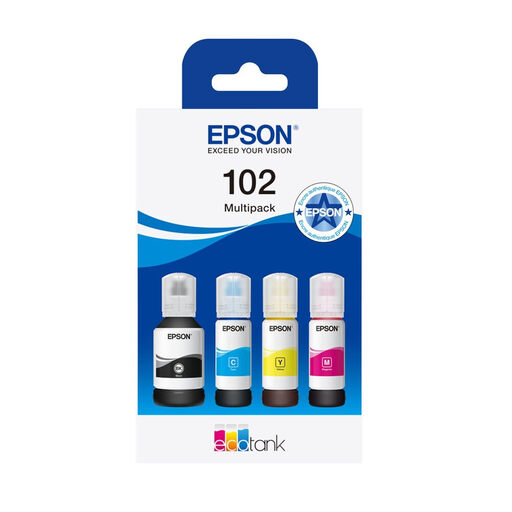
Why we chose it: For owners of Epson EcoTank printers who print in high volumes. This system of refillable ink bottles replaces traditional cartridges and shatters the cost-per-page.
This ink refill system completely shatters the concept of a high cost per page. With a stated yield of 7,500 pages in black and 6,000 in colour, it is simply the most economical solution for large volumes.
The "Key Lock" filling system and its keyed nozzles make it impossible to make a colour error during refilling. The process is as simple as it is clean.
Explore our full selection of products that meet our quality criteria and current standards.
1. How can I be sure to find the right model for my printer? The easiest way is to write down the model number printed on your old cartridge. If you've already thrown it away, don't panic: the exact model of your printer (e.g., Canon PIXMA TS5350, HP ENVY 6020e) is the key. It's always displayed on the front of the device. You just need to enter it to find compatible consumables.
2. What is the shelf life of an ink cartridge? A cartridge that is still sealed in its packaging can be stored for 18 to 24 months. Once installed, it is recommended to use it within 6 months. Beyond that, the ink may dry out, especially if you print infrequently, and clog the print heads.
3. Are XL cartridges really more cost-effective? Yes, without a shadow of a doubt! If you print more than a few pages per month, a high-capacity XL cartridge is always more cost-effective. The maths is simple: if an XL cartridge costs 50% more but prints 150% more pages, the savings are significant. It's a small initial investment for big long-term savings.