
Livraison le jour même ou le lendemain

Qualité garantie

Débloquez vos offres de bienvenue: Livraison GRATUITE | Jusqu'à -80 % | 30 jours d'essai gratuits à JoyPlus
Téléchargez l'application
Spending a night under the stars, whether you're camping, backpacking, or at a festival, should never mean waking up with an aching back. A cold, uneven ground can quickly turn a great adventure into a real ordeal. Choosing a good mattress is therefore crucial. But with the overwhelming number of options available, it's hard to know where to start.
As the Head of Product Selection at Joybuy, my mission is to bring some clarity to the matter. The goal of this guide is to break down the key criteria and present a curated selection of products to help you find the inflatable camping mattress that truly fits your needs—all without the marketing fluff.
Before diving into product specs, it's essential to understand what separates a good mattress from the rest. To sort through the options, focus on these three key points.
The days of huffing and puffing to inflate your mattress are (thankfully) over. Today, several systems coexist:
Your choice will depend on your priority: absolute lightness for trekking or ease of use for family camping.
When hiking or backpacking, every gram counts. The weight and packed dimensions of the mattress are therefore decisive criteria.
The size of the mattress is primarily a matter of personal comfort, but also depends on your camp setup.
To put this advice into practice, here is a selection of mattresses that cater to different profiles, from the family camper to the seasoned hiker.
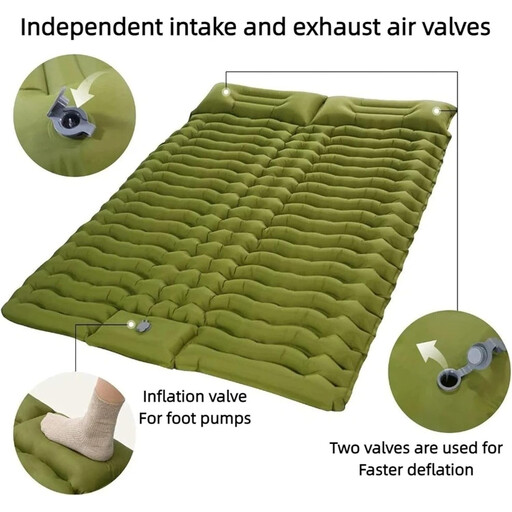
Highlights This mattress stands out for its generous dimensions (200 x 160 cm) and its 8 cm thickness, providing a very comfortable sleeping surface for two adults. Its key feature: an integrated foot pump that ensures full inflation in minutes, with zero effort. The built-in pillows are the icing on the cake, saving you the hassle of packing extra pillows.
What we like
Best for? Ideal for couples or small families car camping, festival-goers, or anyone looking for a comfortable and quick-to-set-up spare bed. Its weight of 1.7 kg, however, makes it unsuitable for backpacking trips.
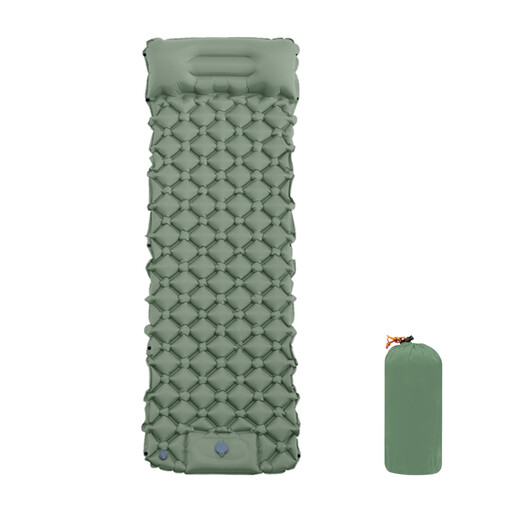
Highlights This model is tailor-made for those who count every gram but don't want to sacrifice comfort. With a feather-light weight of 690g and a packed size comparable to a water bottle (26 x 10 cm), it's the ideal companion for hikers. Its 15 cm thickness, remarkable for an ultralight camping pad, ensures excellent insulation from the ground. It also features an integrated foot pump for express inflation in 30 to 60 seconds.
What we like
Best for? The obvious choice for hikers, backpackers, and festival-goers who carry their gear on their back. Its modularity also makes it a smart option for those who alternate between solo and duo trips.
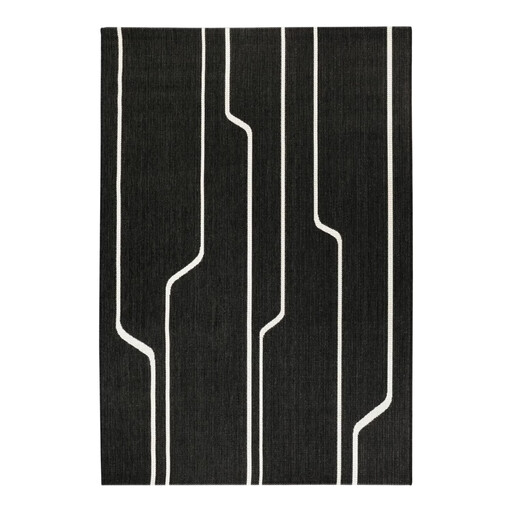
Highlights This isn't a mattress, but this outdoor rug is a game-changer for campsite comfort. Made in Europe from 100% polypropylene, it's designed to withstand the elements. Its UV-resistant treatment protects its colours, while its water resistance makes it a perfect groundsheet under a tent's awning or for creating an outdoor living area.
What we like
Best for? For any camper who wants to take their comfort to the next level, especially during multi-day stays in one spot. It defines a real outdoor living space and protects your gear.
Our selection focuses on specific uses, but the world of portable sleeping solutions is vast. If you're looking for a self-inflating camping pad, a simple portable ground mat for occasional use, or other alternatives, many options are available.
? Discover our full range of portable ground mats
1. What's the difference between a self-inflating and an inflatable mattress? A self-inflating camping pad contains open-cell foam. When you open the valve, this foam expands and draws in air, inflating the mattress almost on its own. You often just need a few extra breaths to adjust the firmness. A standard inflatable mattress, on the other hand, must be filled entirely with air (by mouth or with a pump). Self-inflating pads generally offer better thermal insulation but are often bulkier when packed than ultralight inflatable models.
2. How should I care for my camping mattress? After each trip, clean any stains with a damp cloth and mild soap. Crucial point: Make sure the mattress is completely dry before folding it and storing it in its stuff sack to prevent mould and mildew. Store it in a dry place, away from extreme temperatures. Ideally, if you have the space, store it unrolled and flat with the valve open to preserve the foam (for self-inflating models) and the seams.