
Livraison le jour même ou le lendemain

Qualité garantie

Débloquez vos offres de bienvenue: Livraison GRATUITE | Jusqu'à -80 % | 30 jours d'essai gratuits à JoyPlus
Téléchargez l'application
The industrial-style desk, with its pairing of raw wood and metal, captivates with its authentic look. It's a sought-after choice for setting up a home office or study nook that is both modern and functional. But be warned: behind the tempting photos, pitfalls sometimes lurk that can turn a promising purchase into a real disappointment.
Before you take the plunge, here are the three most common pitfalls to be aware of:
This guide is here to help you see more clearly and spot the details that distinguish a mere trendy piece of furniture from a true ally for your productivity.
To make the right choice, rely on objective technical criteria rather than the siren song of marketing.
The quality of a wood and metal desk depends primarily on the balance of its materials.
A desk for remote work must be, above all, functional.
A desk with integrated storage is essential for keeping your space tidy. The options vary:
Here are a few options that cater to specific user profiles, taking into account the quality and functionality criteria we've discussed.
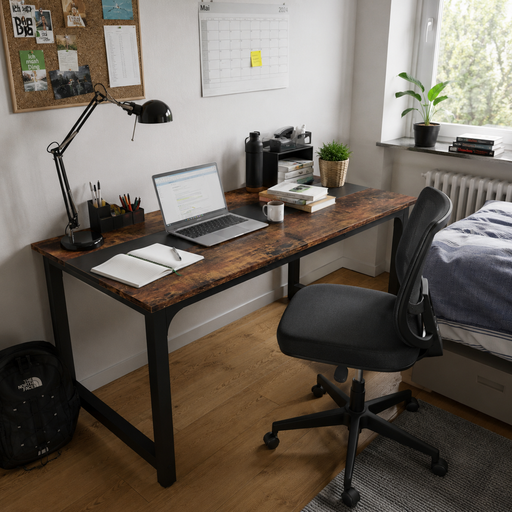
Why it's the right desk for you: Ideal for professionals who need a very large work surface for a multi-monitor setup, heavy equipment, or architectural plans. Its 80 cm depth is a true luxury for daily use.
It avoids the pitfall of deceptive sturdiness with its thick steel frame (5 x 5 cm), reinforcements, and triangular structure, ensuring rock-solid stability.
XXL surface (160 x 80 cm) and an impressive load capacity (up to a claimed 400 kg). Adjustable feet for perfect stability.
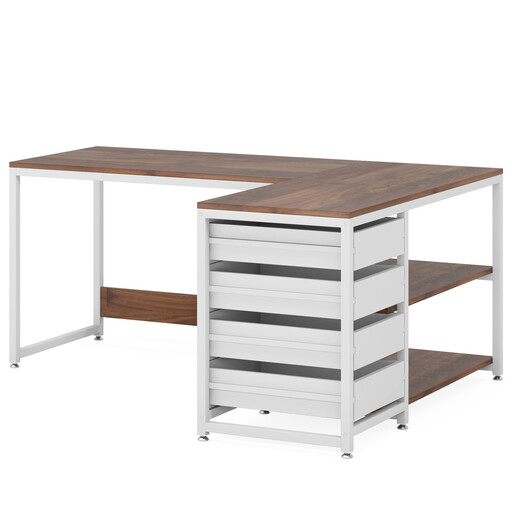
Why it's the right desk for you: Perfect for those who want to optimise their space and keep a pristine desk. The combination of a large top, shelves, and drawers makes it an all-in-one workstation.
It tackles the pitfall of sacrificed storage by offering a complete solution: 4 drawers to hide clutter and 2 shelves for quick access. Its reversible design allows it to adapt to any room layout.
Generous storage and a reversible L-shaped design. The sturdy metal frame and E1-grade panels are a guarantee of durability.
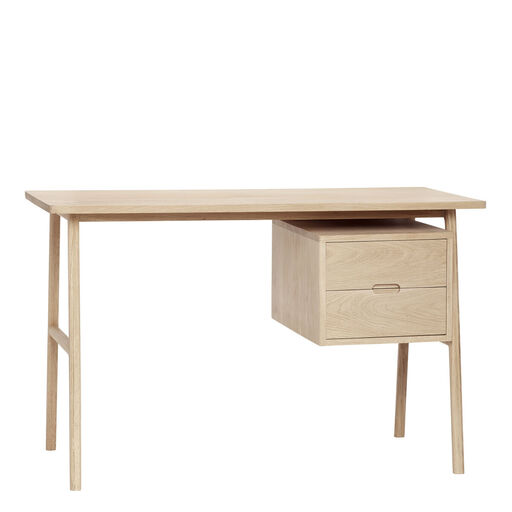
Why it's the right desk for you: For those who prioritise beautiful materials and a clean, Scandinavian design. More than just a desk, it's a true statement piece of furniture that blends aesthetics and function without the "raw" feel of classic industrial style.
It avoids the pitfall of low-quality materials by using solid oak, oak veneer, and FSC certified MDF. This guarantees quality craftsmanship and responsible forest management.
Premium, certified materials. A refined design with integrated drawers for invisible storage. A piece built to last that will elevate your interior.
Discover our full selection of products that meet our quality criteria and safety standards.
Take a look at the technical specifications. Look for the thickness of the steel frame (aim for 4 cm or more), the presence of reinforcing bars (under the desktop or between the legs), and any mention of "adjustable feet." The latter are essential for compensating for minor floor irregularities and preventing the desk from wobbling.
A depth of 60 cm is the bare minimum for setting up a laptop and an external monitor while still having room to write. If your budget and space allow, upgrading to 70 or 80 cm is a game-changer: it provides a more comfortable viewing distance for your eyes and gives you much more room to organise your work.
Most of these desks are designed for easy assembly. Manufacturers generally provide clear instructions, numbered parts, and basic tools (like an Allen key). For larger models or corner desks, having a second person to help is recommended. On average, expect assembly to take between 30 and 60 minutes.