
Livraison le jour même ou le lendemain

Qualité garantie

Débloquez vos offres de bienvenue: Livraison GRATUITE | Jusqu'à -80 % | 30 jours d'essai gratuits à JoyPlus
Téléchargez l'application
Choosing a pack of indulgent filled biscuits might seem straightforward enough. Yet between a filling that claims to be generous, a fruit flavour that's barely detectable, and individual packs that quickly push up the price per kilo, there are plenty of pitfalls to avoid. Whether you're after a family teatime treat, a coffee-break companion, or a chance to discover Japanese biscuits and Korean biscuits, a few simple checks will help you choose according to your habits.
A picture of strawberries, cocoa or hazelnut on the packaging doesn't guarantee that ingredient is present in any meaningful quantity. Take a look at the ingredients list and check where the flavour or fruit powder sits. In some products, the strawberry is nothing more than an aroma or a tiny amount of powder.
Small packs of chocolate biscuits, filled wafers or biscuit sticks are handy for slipping into a bag, but they often cost more per kilo than a family-sized pack. Always compare the net weight, the number of servings and the price per kilo shown on the label.
Filled recipes frequently contain wheat, milk, eggs or soya. If you have an allergy, also remember to check for possible traces of nuts, peanuts or sesame. Once opened, moisture can soften the biscuits and make them lose their crunch. A resealable pack or eating them quickly will help preserve their texture.
For a chocolatey break, check whether the ingredients list mentions cocoa, hazelnut paste or chocolate. The GRANOLA Kango Chocolate Filled Biscuits 187 g, for example, combines a shortbread biscuit with a chocolate filling. Its product page notes 15% chocolate powder and that it's made with French wheat flour.
If you prefer something fruitier, go for strawberry biscuits, red berry or blackcurrant options. The Oreo Strawberry and Oreo Raspberry & Blueberry products offer fruit-flavoured fillings paired with crunchy biscuits. For products containing sorbitol, like the Oreo Strawberry according to its product page, the label reminds you that excessive consumption may have a laxative effect.
Nutritional values are usually given per 100 g. This common basis makes it easier to compare products, especially for sugar, fat and salt content. Several products in this selection range from around 470 to 560 kcal per 100 g. These figures don't tell you anything about the eating experience, but they can help you adjust your portion size depending on the time of day.
Also take the time to read the "contains" and "may contain traces of" statements. A product made with wheat, milk, eggs or soya won't be suitable for everyone. For imported products, the label on the packaging remains the definitive reference, particularly for ingredients, the best-before date and the contact details of the responsible operator in the European Union.
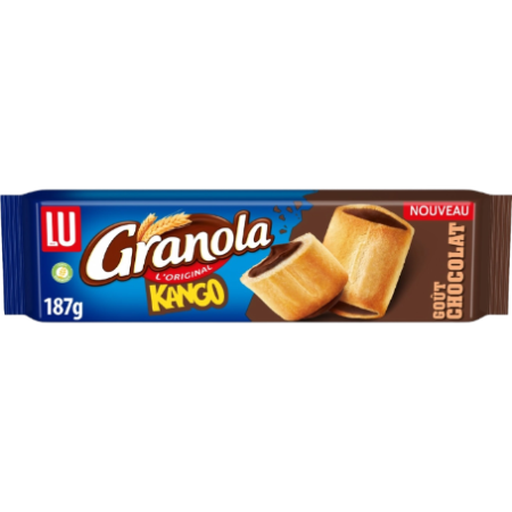
Why this suits this profile: At 187 g, this pack is ideal for regular snacking at home. Its chocolate recipe is easy to identify, and it's made in France.
The net weight is clearly stated and chocolate appears in the ingredients, making it easy to compare with other filled biscuits.
187 g, shortbread biscuit, chocolate filling, and you can even crumble it into a dessert.
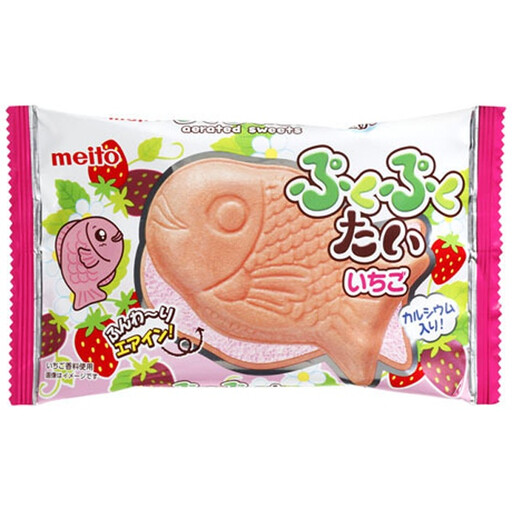
Why this suits this profile: This Japanese speciality combines a light wafer, chocolate and dried strawberry for a change from more standard biscuits.
The description clearly distinguishes the two main elements, chocolate and wafer, rather than just pushing a flavour.
A crunchy texture, dried strawberry and a size that's perfect for an occasional treat.
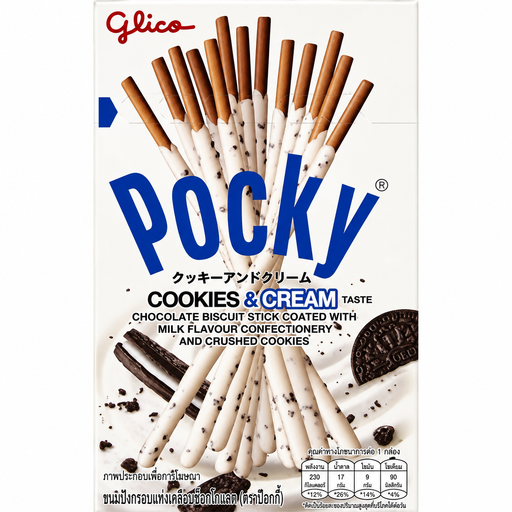
Why this suits this profile: These biscuit sticks come in a 40 g pack that slips easily into your bag for work, a day out or a solo snack break.
The small pack size stops you from leaving a large bag open for days, which helps keep the biscuits crunchy.
40 g, easy-to-portion sticks and packaging designed for travel.
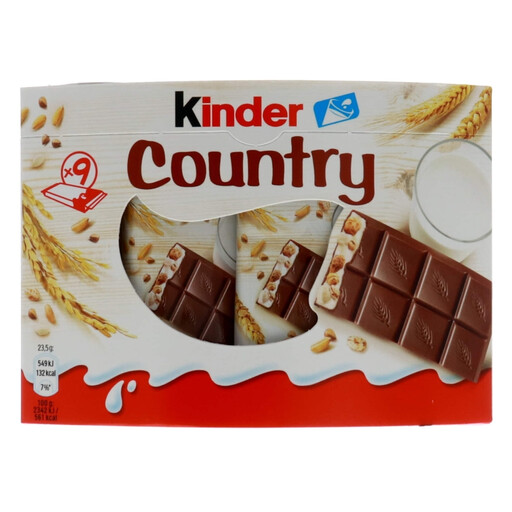
Why this suits this profile: The nine individual portions make it easy to hand out at teatime or during a family break, without having to divide up a large pack.
The number of bars and total weight are clearly stated, so you can easily work out how much is available per person.
211.5 g, nine bars, milk chocolate and puffed cereal listed in the ingredients.
We've put together a comprehensive, real-time updated list of products that meet these demanding selection criteria and European safety standards.
Go for a pack of 120 g or more, or a box with several portions. Sharing biscuits, like the Kango, and individually wrapped bars make it easy to adjust quantities depending on how many people you're feeding. Just remember to check the allergens before serving them.
Keep them in a cool, dry place away from heat and direct light. Seal the pack carefully or transfer the biscuits to an airtight container. Wafers and biscuit sticks are particularly sensitive to moisture; their texture can quickly deteriorate once the pack is opened.
Yes. Packs of 40 g to 95 g are perfect for comparing several flavours without ending up with a whole stash. Brands like Glico, Oreo or Cheongwoo let you move from a crunchy biscuit to a softer centre. Check the French label or the seller's information for ingredients, allergens and storage instructions.