
Livraison le jour même ou le lendemain

Qualité garantie

Débloquez vos offres de bienvenue: Livraison GRATUITE | Jusqu'à -80 % | 30 jours d'essai gratuits à JoyPlus
Téléchargez l'application
Indulgent biscuits catch your eye with their colourful packaging, recipes from far-flung places and promises of generous textures. Yet a spontaneous purchase can sometimes lead to disappointment: a packet smaller than expected, biscuits that go soft after opening, or a recipe that doesn’t suit a food allergy.
Before you fill your basket with chocolate biscuits, filled biscuits or Asian snacks, there are three pitfalls worth paying close attention to.
A large packet doesn’t always mean it contains lots of biscuits. Always check the net weight, given in grams, as well as the number of portions or individual sachets. A 40–50 g size is better suited to an on-the-go snack, while a 400–800 g pack is more appropriate for sharing with the family.
‘Chocolate’, ‘caramel’ or ‘cream’ can refer to a generous filling, a coating or simply a flavouring. Only the ingredients list tells you the difference. Nutella-filled biscuits, for example, promise a cocoa and hazelnut filling that makes up 40% of the recipe, while Glico Collon come as small filled rolls.
Imported biscuits may have multilingual labelling or a different composition depending on the country of manufacture. In France, allergens must be clearly highlighted on the label. In particular, check for wheat, milk, eggs, soya, nuts, peanuts and sulphites.
Once opened, most biscuits should be eaten quickly or stored in an airtight container. Moisture is especially damaging to wafer biscuits and biscuit sticks.
For a break at the office, a journey or a lunchbox, small sizes of 32–50 g are easy to carry. Individual wrappers also limit exposure to air after each serving.
For a family, an economy size such as the Parle G 799 g pack can accompany breakfast, afternoon tea or a cuppa. An assortment like the Delacre Tea Time 500 g box, meanwhile, lets you vary textures and flavours when sharing.
Fans of Japanese biscuits might be tempted by Glico Collon rolls or Pocky sticks. Korean biscuits, such as Cheongwoo Chocochip, offer a more unusual texture with a soft mochi-inspired centre.
Compare the information per 100 g, rather than just the per-portion values. The products featured here typically have an energy content between 400 and 560 kcal per 100 g, with variations depending on the amount of chocolate, fat and sugar.
The ingredients list should also confirm the actual presence of cocoa, hazelnuts, milk or fruit. For family consumption, keep an eye on the sugar and salt levels, especially in imported recipes. These details help you compare products, without constituting medical advice.
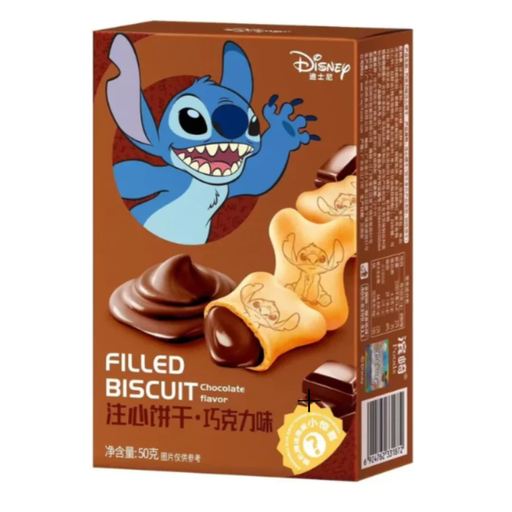
Why this choice suits this profile: Its small size lets you try a cocoa biscuit without committing to a large assortment straight away.
The net weight of 50 g is clearly stated, so you won’t mistake a generous-looking packet for a large quantity.
Wheat biscuit with cocoa, milk and whey; manufactured in Lithuania.
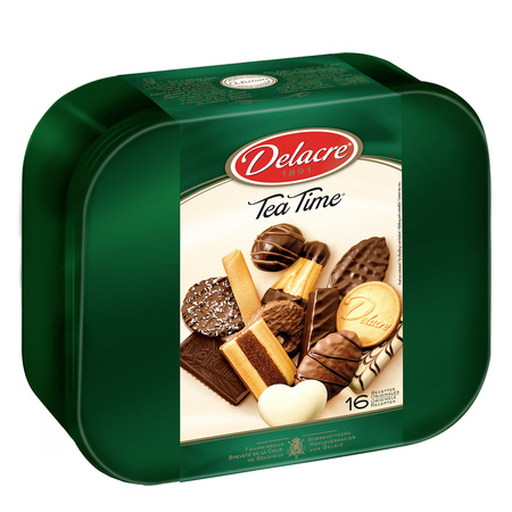
Why this choice suits this profile: The variety of biscuits, chocolates and textures is perfect for enjoying with coffee or tea.
The 500 g size is clearly stated with a detailed composition, so you know exactly what to expect before buying.
Assortment including dark, milk and white chocolate; milk, eggs, soya and nuts are flagged.
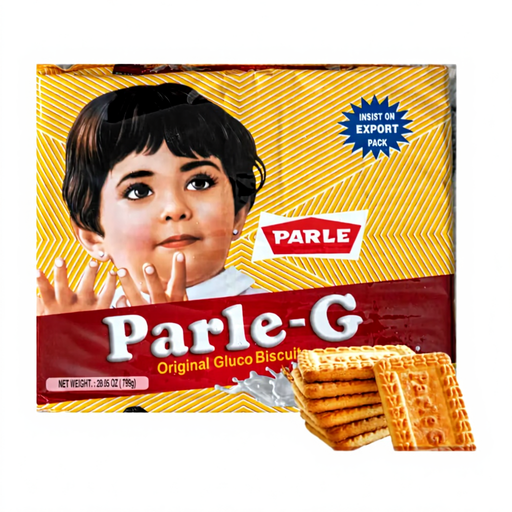
Why this choice suits this profile: Its large size is ideal for families, regular snacks and cupboard storage.
The 799 g weight is clearly displayed and corresponds to shared use rather than an individual portion.
Wheat biscuit with flour stated at 67% and skimmed milk; a family size suited to tea or lunchboxes.
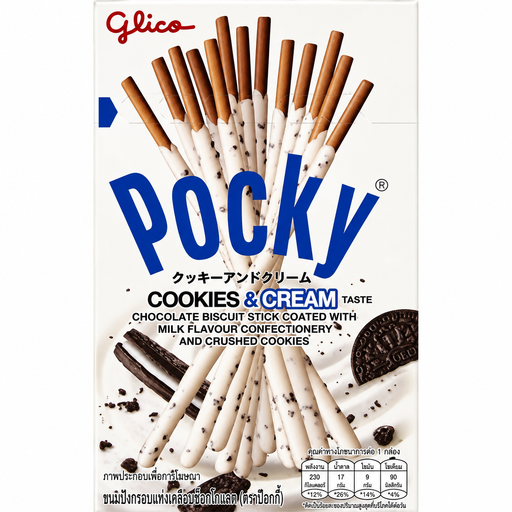
Why this choice suits this profile: This Japanese format slips easily into a bag and offers a different take on classic biscuits.
The 40 g weight and stick format make it easy to judge the quantity before buying.
Crispy sticks with a cookies & cream coating, containing wheat, milk and soya.
We’ve put together a comprehensive, real-time updated list of products that meet these strict selection criteria and European safety regulations.
Go for a size large enough for several people, such as a family pack of 403–799 g. Do check the best-before date, storage instructions after opening and the allergen list. An assortment lets you vary the treats, while a single flavour makes repeat buying simpler.
Seal the packet carefully or place the biscuits in an airtight container, away from heat, light and moisture. Wafer biscuits and filled biscuits quickly lose their texture if left exposed to air. Always follow the instructions on the packaging.
Small sizes like Glico Collon, Pocky or certain Korean biscuits slip easily into a bag or lunchbox. Before buying, check the weight, the condition of the packaging and any flagged allergens. To compare Asian biscuits and European products objectively, look at their ingredients and nutritional values per 100 g.