Small kitchens and studio flats
If you usually use one or two pans, a two-zone domino hob can free up worktop space. However, compare its cut-out and power supply requirements with your kitchen.


For everyday cooking, start by choosing the number of cooking zones based on how many pans you use at once. Two may be enough for a small kitchen, while three or four give you more room to cook several things at the same time. Consider a flexible zone if you often use large pans; a mixed-fuel hob is a better choice if you want to keep gas burners. In every case, check your cookware, the cut-out and the power supply requirements for the model you choose.
If you usually use one or two pans, a two-zone domino hob can free up worktop space. However, compare its cut-out and power supply requirements with your kitchen.
If you regularly cook several parts of a meal at the same time, look at hobs with three or four zones. The number of zones alone is not enough to decide: their size and layout matter too.
A griddle or oval casserole dish may make a Bridge or flexible zone worth considering. Measure your cookware, then compare it with the dimensions of the combined zone on the model you’re considering.
Start with the way you usually cook and the cookware you want to keep, then check that your chosen format suits your kitchen space and installation.
| What to consider | What to check | How it fits your needs |
|---|---|---|
| Cookware | Test the base of your pans with a magnet: induction requires a ferromagnetic base. Also compare their diameter with the cooking zones. | I want to keep using my most-used saucepans and frying pans, without finding out after buying the hob that they won’t work on its induction zones. |
| Number of cooking zones | Count how many pans you use at once, then compare the number, size and layout of the zones. Beko France’s guide, for example, recommends domino hobs for smaller spaces and hobs with more zones for cooking several dishes. | Two zones may be enough in a small kitchen if I rarely cook more than two things at once. If I regularly cook several things at the same time, I’ll look at three or four zones instead. |
| Flexible zone | Check which zones can be combined, and measure the usable length and width. For this specific model, Electrolux lists a 45,8 × 21,4 cm flexible zone on the left-hand side of the EIV64453. | I often use a griddle or oval casserole dish, so I need a zone that fits those pans—not just a feature called ‘Bridge’. |
| Induction and gas | For a mixed-fuel hob, check the layout of the zones, as well as the connections, settings and dimensions specified in the manual. Cookware used on the induction section must still be compatible. | I want to keep gas burners while also using induction, and my kitchen needs to be suitable for both cooking methods. |
| Cut-out and power supply | Compare the cut-out, ventilation and connection requirements in the manual with your existing installation. Promotelec describes a dedicated circuit for the hob in the home; if you’re unsure, have your setup checked. | I’m replacing a hob or fitting out a kitchen, and want to confirm that the model I choose can be installed before I order it. |
A saucepan without a ferromagnetic base is not suitable for an induction zone.
Test the pans you want to keep with a magnet, and check their diameter against the zones you’re considering.
If induction becomes your only way to cook, you’ll need to replace any incompatible cookware.
Two zones limit how much you can cook at once. On a larger hob, the layout of the zones can also make it difficult to use large pans at the same time.
Count the saucepans and frying pans you use for a typical meal, then check their dimensions and how they’ll fit on the hob.
The size and layout of combined zones vary by model. The feature name alone doesn’t guarantee that a griddle or casserole dish will fit.
Measure your large pans and compare their dimensions with those listed for the combined zone in the product details and manual.
An unsuitable cut-out or connection that needs updating could prevent you from installing your chosen hob as it is. Promotelec describes a dedicated circuit for the hob in the home.
Measure the existing cut-out, read the full manual and, if you’re unsure about electrical compatibility, ask a qualified professional for advice before ordering.
Adapting the worktop or electrical installation may require building work.
These examples show configurations worth considering. The features mentioned apply to the specific models listed, not necessarily to every hob from each brand.
Bosch gives you the option of comparing a three-zone hob with models that have combinable zones.
Two Electrolux models illustrate different options: an induction hob with flexible zones and a mixed-fuel induction and gas hob.
Whirlpool’s FlexiCook models may appeal if you’re looking to combine two cooking zones.
This selection includes built-in hobs with three or four zones, as well as portable induction appliances. Check that the format suits your kitchen: a portable appliance is not automatically a substitute for a built-in hob.
 Image unavailable
Its four zones are suited to cooking several things at once. The model also has a timer and child lock. Check the cut-out and ask someone to confirm that the electrical connection is suitable for your kitchen. If you’re planning to use a large, oblong pan, check the layout of the zones before choosing.
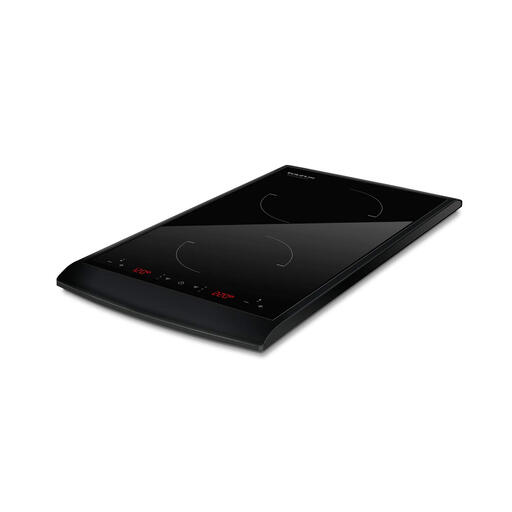 Image unavailable
Its two zones suit a kitchen where you only heat a few pans at once; the stated total power is 2 900 W. Check that your induction-compatible cookware falls within the stated diameter range of 12 to 24 cm, and that you have enough space and ventilation for the appliance.
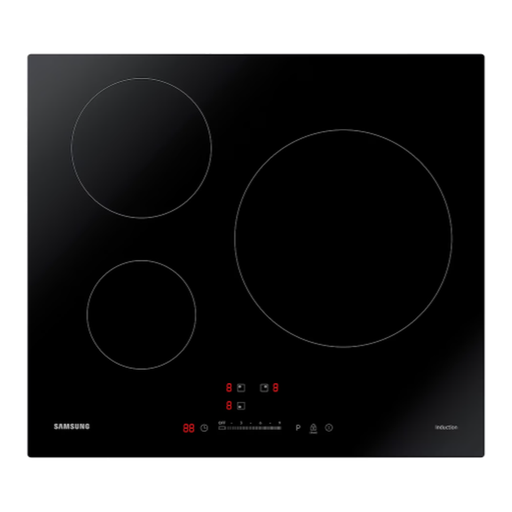 Image unavailable
Its three zones let you cook several things at once in a built-in format. Before choosing it, compare the required cut-out dimensions and ventilation with your kitchen, as set out in the manual, then ask someone to confirm which connection option is right for your home.
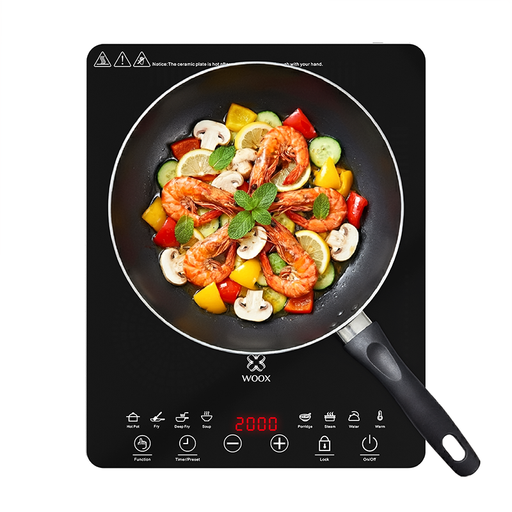 Image unavailable
This countertop appliance may suit you if you need an extra cooking option and have induction-compatible cookware; its stated power supply is 220–240 V. If you plan to use it every day, check the number of zones and the full dimensions, and make sure it sits on a stable surface with the ventilation openings unobstructed.
Their base should attract a magnet: Tefal France highlights this as a requirement for induction cooking. Also check the diameter needed for the zones on the hob you’re considering.
Two zones may be enough if you usually heat one or two pans at a time. If you need to cook several parts of a meal at once, compare the available space with a three-zone hob instead, and remember to check the size of each zone.
Consider a flexible zone if you often use a griddle, fish kettle or oval casserole dish. Compare the dimensions of your pans with those of the combined zone: the word ‘Bridge’ alone doesn’t guarantee they’ll fit.
Compare the cut-out, ventilation and connection requirements in the manual with your kitchen. Promotelec describes a dedicated circuit for the hob in the home; if you’re unsure about your setup, ask a qualified professional to check it.
The gas burners on a mixed-fuel hob let you use pans that aren’t suitable for induction, but the induction zones still require a ferromagnetic base. Also check the gas connection and adjustment requirements specified for the model you choose.