What should you check before choosing?
Start by choosing the technology that suits the way you cook, then check your pans and the installation requirements for the specific model.
Induction
Worth considering if: you cook often and want to adjust the heat quickly using compatible pans.
The trade-off: your pans must be suitable for induction, and the built-in hob must be compatible with your kitchen’s installation.
Ceramic
Worth considering if: you want to keep pans that don’t work on induction.
The trade-off: the cooking zone heats the surface before the pan and stays hot after use. ADEME’s scenario also gives ceramic hobs a higher energy consumption than induction.
Cast-iron electric
Worth considering for: occasional use or long cooking times when you don’t need to change the heat quickly.
The trade-off: according to Ubaldi’s guide, cast iron takes time to heat up, and its heat retention makes temperature adjustments less precise.
| Factor |
What to check |
What you need |
| Energy consumption |
Compare like with like: ADEME gives figures of 115 kWh/an for induction and 200 kWh/an for ceramic hobs in a scenario based on 409 cooking cycles a year. When comparing models, check that their figures are based on the same measurement. |
I cook regularly and want to take electricity use into account, without treating a scenario figure as a prediction of my future consumption. |
| Heat control |
Consider how the cooking zone transfers heat and how much heat it retains. UFC-Que Choisir describes induction heating with a suitable pan, while Ubaldi’s guide highlights how slowly cast-iron hobs heat up. |
When I’m cooking several dishes one after another, being able to adjust the heat without a long wait matters to me. |
| Pans |
For induction, test whether a magnet sticks to the base of your pans, as Electrolux France recommends. Also check the manual for the base diameters accepted by the zones on the model you’re considering. |
I’d like to keep using my usual frying pans and saucepans, especially those with bases that aren’t suitable for induction. |
| Fitting |
Check the cut-out dimensions, total power and voltage required by your chosen hob. Confirm that your available electrical connection is suitable; specifications vary by model. |
If I’m replacing a hob, I want to know before buying whether it can be installed in my kitchen. |
A few brands to consider
These examples relate to specific models; their features don’t represent every hob made by each brand.
Bosch
The 60 cm PIX631HC1E is an induction hob worth considering if a flexible zone would suit the way you cook.
- Bosch lists four cooking zones and one flexible zone for this model.
- Check that your pans are compatible and that the PIX631HC1E’s installation requirements are suitable for your kitchen.
Electrolux
The CRR6432CK is a built-in ceramic hob to consider if you want to keep pans that aren’t suitable for induction.
- Electrolux lists a maximum total electrical power of 6 500 W and a 220-240 V/400 V supply for the CRR6432CK.
- These specifications apply to this model only, so compare them with your installation before choosing.
Siemens
The 60 cm EX61AHYC1E is an induction hob worth considering for its flexible cooking zones.
- Siemens lists four cooking zones and two flexInduction Plus zones designed for large round pans up to 30 cm in diameter.
- Check the permitted dimensions for your other pans and the installation requirements for the EX61AHYC1E.
Hobs and a portable cooker on Joybuy
This selection includes built-in induction and ceramic hobs for cooking at home, plus a portable single-zone induction cooker for occasional use.
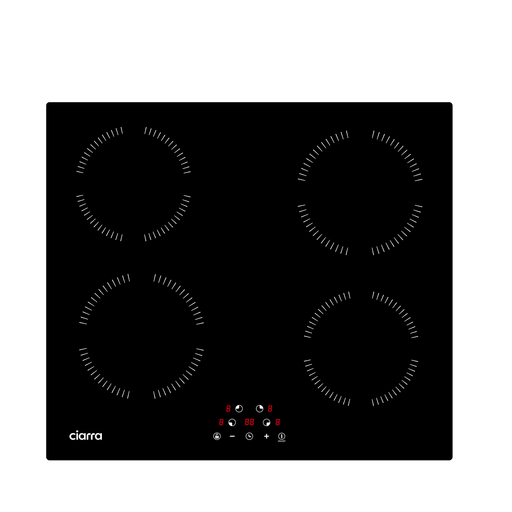 Image unavailable
CIARRA CABBIH4-A — induction, 4 zones, 9 power levels
Its four zones let you cook several dishes at once. Check that your pans are suitable for induction and that your kitchen’s electrical supply and cut-out match the model’s instructions.
View on Joybuy
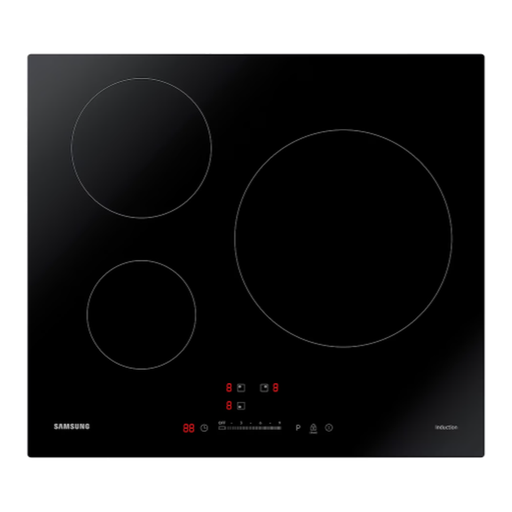 Image unavailable
Samsung NZ63M3707AK — induction, 3 zones, 7 200 W
The three zones are suited to cooking several things at once, though that doesn’t mean all your pans will be compatible. The product name lists a power rating of 7 200 W; have your kitchen’s electrical connection and fitting checked for suitability.
View on Joybuy
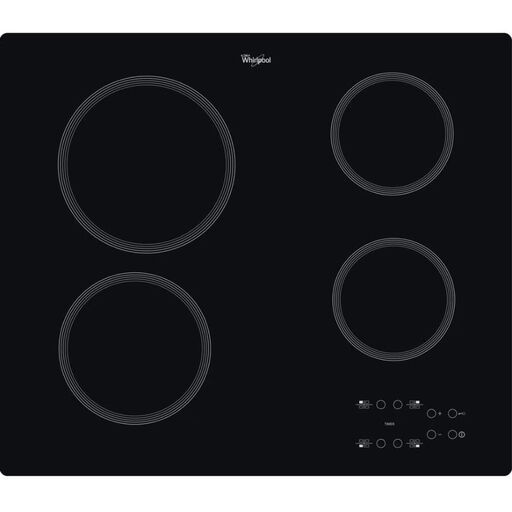 Image unavailable
Whirlpool AKT 801-NE — ceramic, 4 zones, black
This four-zone hob is an option if you want to keep pans that aren’t compatible with induction. Bear in mind that the cooking zones retain heat, and check the electrical supply and cut-out dimensions before replacing a hob.
View on Joybuy
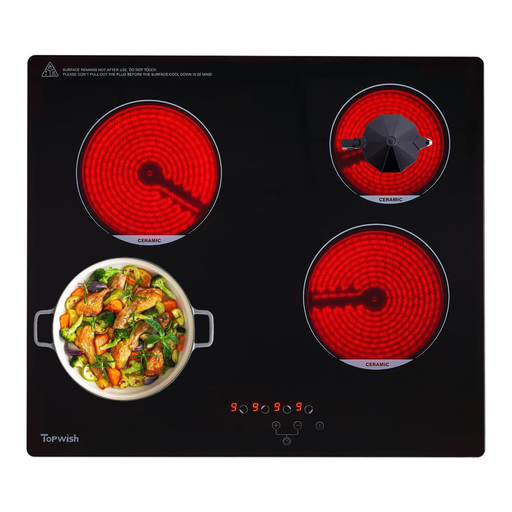 Image unavailable
TOPWISH — built-in ceramic, 4 zones, 60 cm
This four-zone model may suit you if keeping non-magnetic pans is a priority. It has touch controls and a child lock. Before arranging installation, confirm its total power rating and check the required electrical supply and cut-out.
View on Joybuy
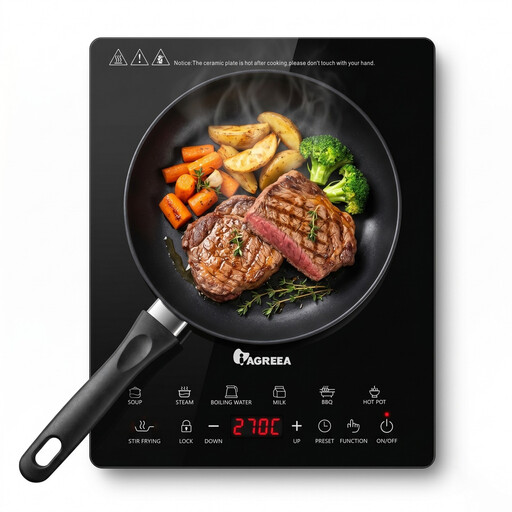 Image unavailable
IAGREEA DF200-14V10 — portable induction, 2 000 W
Its single zone is better suited to occasional cooking than preparing several dishes at once. The product name lists eight power levels and pan sizes from 12 to 26 cm; check that your pans have a suitable magnetic base.
View on Joybuy
Frequently asked questions
Can a built-in hob use any existing electrical connection?
No. The connection must meet the model’s requirements and be suitable for your home’s installation. Promotelec advises that a circuit for an electric hob must be designed for that purpose. Before replacing a hob, compare the new model’s instructions with your existing installation and have it checked if necessary.
How can I tell whether my pans are suitable for induction?
Place a magnet against the base of each pan you use regularly. According to Electrolux France, it should stick to the base for the pan to be suitable for induction. Then check the hob manual for the base diameters accepted by its zones.
Do ADEME’s figures predict how much energy I’ll use for cooking?
No. The figures of 115 kWh/an for induction and 200 kWh/an for ceramic hobs describe ADEME’s scenario, based on 409 cooking cycles a year, rather than your personal usage. When comparing model specifications, also distinguish these annual figures from any standardised measurement in Wh/kg.
What should I do if the hob is faulty or has been installed incorrectly?
Keep your proof of purchase, product details and manual, then contact the retailer and explain the problem. The French government department responsible for consumer affairs says that the legal guarantee of conformity applies, in particular, to goods sold by a business to an individual, and may cover installation if it was the seller’s responsibility.
Can I clean every hob in the same way?
Check the model’s manual before using any cleaning product or accessory. That way, you can follow the instructions for its specific surface and use, rather than using a method intended for a different hob.


