What should you check before choosing?
Induction hob
Consider it: if you cook regularly with compatible pans and your electrical circuit can support the hob you choose.
The trade-off: you may need to replace pans without a suitable base, so check the cookware you use most often.
Ceramic hob
Consider it: if keeping cookware that isn’t compatible with induction is a higher priority when replacing your hob.
The trade-off: in ADEME’s scenario of 409 cycles a year, its reference consumption is higher than that of induction.
Electric solid-plate hob
Consider it: for occasional use or a kitchenette, if this format suits the space available.
Compare: according to Energie Plus Le Site, the hotplate heats the pan through direct contact. Check the specifications of the model rather than assuming it uses as much energy as another type of hob.
Freestanding cooker with hob
Consider it: if you need to replace the oven and hob together, or if a separate hob can’t be built in.
The trade-off: check the space required, hob type and electrical connection for the complete appliance.
Once you’ve chosen an appliance type, check the model’s instructions against your pans, the space available and your home’s electrical installation.
| Consideration | What to check | Think about your needs |
|---|
| Cookware |
For induction, test the base with a magnet and check the permitted pan diameters in the instructions. Electrolux says a suitable base is essential, particularly for pans made from aluminium, copper, glass or ceramic. |
I want to keep using my usual pans: whether they’re compatible could determine if I switch to induction. |
| Electrical connection |
Check the circuit, its protective devices and the power rating of the hob you’re considering. Enedis says an induction hob needs a dedicated circuit, a 30 mA Type A RCD and a circuit breaker rated at no more than 32 A. Have the existing installation checked. |
Before replacing my hob, I want to know whether my kitchen’s power supply is suitable for the model I’ve chosen. |
| Energy use |
Compare the technologies on the same basis: ADEME gives annual figures of 115 kWh for induction and 200 kWh for ceramic hobs, based on 409 cycles a year. These figures don’t describe a specific appliance. |
As I cook often, energy use matters to me, but this benchmark won’t predict my bill. |
| Dimensions |
Measure the space available and, for a built-in hob, the worktop cut-out. Check the number of cooking zones and whether any can be combined on the exact model you’re considering if you use large pans. |
I sometimes cook several things at once, or use a large casserole dish. |
| Rented accommodation |
Check whether the project will alter rented fixtures and fittings, the worktop or the electrical connection. In France, ANIL advises that changing rented fixtures and fittings requires the landlord’s written consent. |
I rent my home and want to discuss the planned work with my landlord before anything is done. |
| Built-in oven |
If you’re considering a freestanding cooker, also compare your oven requirements, the space it will take up and the electrical connection. Promotelec says a dedicated circuit is provided for an electric hob or cooker. |
I need to replace the oven and hob together, rather than just replacing the hob. |
Which brands and ranges should you compare?
These range examples can help you compare sizes and features, but you should confirm every specification for the model you’re considering.
Electrolux
Electrolux offers compact induction hobs as well as 60 cm ceramic hobs.
- The LIT30231C product sheet describes a 29 cm, two-zone Domino induction hob; the CRR6432CK is a 60 cm ceramic hob with four zones.
- Check the power rating, cut-out dimensions and features of the model you choose: these two configurations don’t represent the entire range.
Bosch
Bosch offers electric ceramic hobs as well as induction models with different configurations.
- The Bosch PKK61SBB8F product sheet lists three cooking zones, a timer with automatic switch-off and a child lock; the PVS631HC1M has a function that combines two induction zones.
- Don’t assume that features on one model are included on another. Also check the cut-out dimensions and installation requirements in the instructions.
Whirlpool
Whirlpool offers induction hobs with flexible cooking zones for larger pans on some models.
- According to Whirlpool’s product sheet, the WLS7960NE has four cooking zones and a FlexiCook zone that combines two zones.
- This feature applies to the model described. Check the permitted pan dimensions, built-in measurements and electrical connection for the model you’re considering.
Sauter
Sauter describes ceramic and induction models designed to accommodate pans of different sizes.
- According to Sauter, the STI1648BP induction hob has a HoriZone flexible zone for large, oval or rectangular pans.
- Range names don’t guarantee that another model will have the same dimensions or features, so check its instructions.
Hobs to consider on Joybuy
These options include ceramic and induction hobs for preparing meals at home. Compare them based on your cookware, the space available and your electrical connection. They don’t include the freestanding cooker option with a built-in oven.
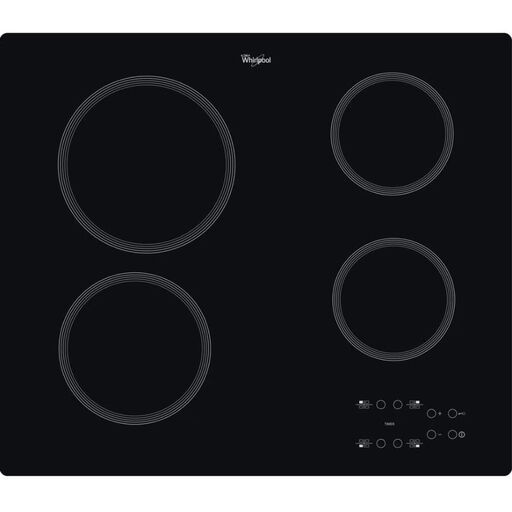 Image unavailable
Whirlpool AKT 801-NE, ceramic hob with 4 zones
Worth considering if you’re replacing a built-in hob and want to keep using cookware that isn’t compatible with induction. Check the cut-out dimensions and your kitchen’s electrical connection before choosing it.
View on Joybuy
 Image unavailable
TOPWISH, 60 cm built-in induction hob with 4 zones
A choice for cooking on several zones with induction-compatible pans. The product name mentions a timer, child lock, Boost function and residual heat indicator. Have the required cut-out and electrical circuit confirmed.
View on Joybuy
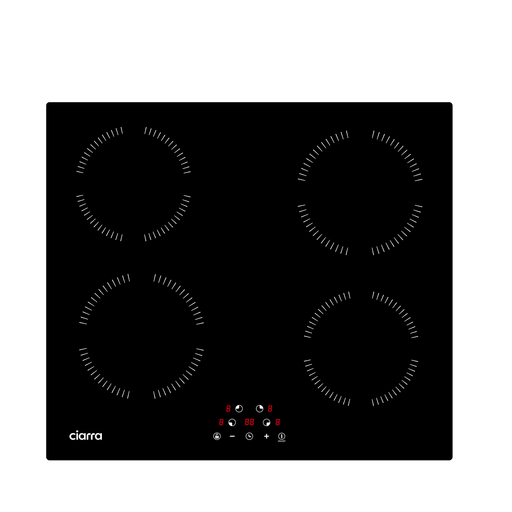 Image unavailable
CIARRA CABBIH4-A, induction hob with 4 zones
This built-in hob is listed as having nine power levels. Before replacing an existing hob, check that your pans are suitable for induction, then confirm the cut-out dimensions and electrical connection.
View on Joybuy
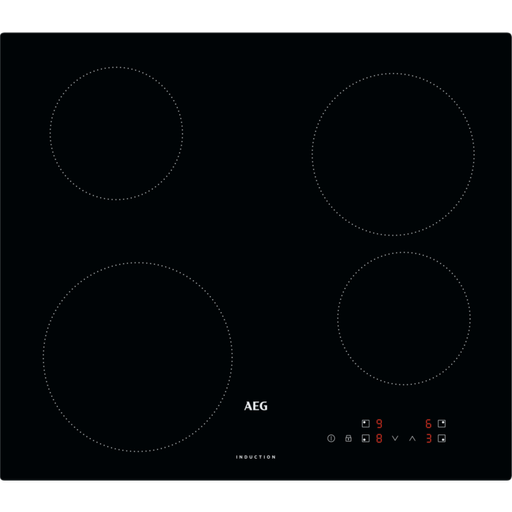 Image unavailable
AEG IBS64200CB, 59 cm induction hob, two-phase Perilex
Worth considering if you’re replacing a hob close to 60 cm wide and your cookware is suitable for induction. Confirm the mounting type, cut-out dimensions and whether the two-phase Perilex connection is compatible with your home.
View on Joybuy
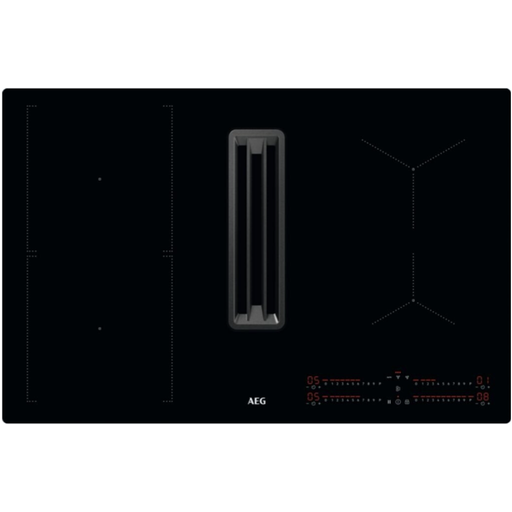 Image unavailable
AEG CCE84543CB, 80 cm induction hob with integrated extractor
Consider this configuration if you’re also looking for an integrated extractor. Check the space required for installation, the extraction set-up, cookware compatibility and electrical connection before making changes to your kitchen.
View on Joybuy
Frequently asked questions
Will my current pans work on an induction hob?
They’ll work if their base is suitable for induction. Electrolux recommends checking that a magnet sticks to the base. Pans made from aluminium, copper, glass or ceramic generally need a specially designed base for induction cooking. Also check the permitted pan diameters for the hob you choose.
Does an induction hob need a particular electrical connection?
Yes. In France, Enedis says an induction hob needs a dedicated circuit, protected by a 30 mA Type A RCD and a circuit breaker rated at no more than 32 A. Have the existing circuit and the model’s requirements checked before buying and installing the hob.
Will an induction hob use less energy than my ceramic hob?
In its table based on 409 cycles a year, ADEME gives an annual figure of 115 kWh for induction, compared with 200 kWh for ceramic hobs. This difference between reference scenarios doesn’t predict the energy use of two specific models or your household’s consumption.
Can I replace a built-in hob in a rented home?
First, check what the replacement would involve changing. In France, ANIL advises that alterations to rented premises or fixtures and fittings require the landlord’s written consent. Ask for their consent if your plans involve changes to the cut-out or electrical connection. In a furnished rental, a hob must be provided as part of the equipment.
What should I check if I have an active medical implant?
Don’t assume an induction hob is suitable for your device. Anses lists induction hobs among sources that may interfere with some medical devices. Check the implant manufacturer’s guidance and speak to your healthcare team before choosing or using this technology.


