Households that cook often
When comparing induction and ceramic hobs, look at the same number of cooking cycles rather than just the stated power. ADEME’s guide is based on 409 cycles a year; you may use your hob more or less often.


If you cook often and your electrical supply and pans are compatible, induction is worth considering first. For 409 cooking cycles a year, ADEME gives a figure of 115 kWh/year for the most energy-efficient new induction hobs, compared with 200 kWh/year for a ceramic hob. This is a guide, not a prediction of your own energy use. Depending on your cookware, worktop cut-out and existing connections, a ceramic hob, a traditional electric hob or keeping your gas hob may suit you better.
When comparing induction and ceramic hobs, look at the same number of cooking cycles rather than just the stated power. ADEME’s guide is based on 409 cycles a year; you may use your hob more or less often.
If you’re considering induction, check your pans, the worktop cut-out dimensions and the electrical circuit before choosing a model. A hob of a similar width isn’t necessarily compatible with all of these.
Keeping a gas hob means you won’t need to choose a new electric one, but you should check the gas type, tap, hose and ventilation. GRDF notes that these are all part of the home’s internal installation.
First compare the cooking methods based on how you use your hob, then check what could affect installation: cookware, dimensions and connections.
| Priority | What to check | Your needs |
|---|---|---|
| Electricity use | Compare figures based on the same usage. For 409 cooking cycles a year, ADEME gives a figure of 200 kWh/year for ceramic hobs and 115 kWh/year for the most energy-efficient new induction hobs. These figures aren’t measurements for every individual model. | I cook regularly and want to take my cooking habits into account, rather than treating the maximum power as my annual electricity use. |
| Cookware | For induction, test the base of your pans with a magnet. Also check which pan diameters are suitable for the model’s cooking zones, as Electrolux advises. | Before switching to induction, I want to know which of my saucepans and frying pans I can keep using. |
| Electrical connection | Check your existing circuit and protection against the model’s instructions. For a hob, Promotelec specifies a dedicated circuit with a 32 A cable outlet, 6 mm² conductors and a 32 A circuit breaker. | If I’m replacing an electric hob, I want to have my installation checked to make sure it’s suitable for the new appliance. |
| Gas installation | Check the gas supply and appliance compatibility, then have the tap, hose and ventilation inspected. The connection requirements depend on your existing installation. | I’d like to keep cooking with a flame, provided the new hob and connections are suitable for my home. |
| Dimensions and cooking zones | Compare the hob’s cut-out dimensions with the opening in your worktop. Before choosing the cooking zones or a flexible zone, note the diameter of the pans you use most and how many dishes you cook at once. | I sometimes use large pans, but I don’t want to choose a layout that doesn’t suit the meals I usually cook. |
ADEME’s comparison doesn’t tell you whether your pans will work on the hob you’re considering. Induction requires a magnetic pan base and a diameter suited to the cooking zones.
Test your pans with a magnet and check the suitable diameters in the model’s instructions.
You may need to replace any cookware that isn’t compatible.
A new hob may have different connection requirements from your old one, even if it takes up a similar amount of space.
Compare its instructions with your existing circuit. If you can’t confirm compatibility, ask an electrician to inspect the installation.
The type of gas, tap, hose and ventilation all affect your choice and the installation of a new hob.
Check which gas you use and have any connection components inspected if you’re unsure about their condition or compatibility.
A double or flexible zone is designed for particular uses, such as cooking with larger pans. Its presence alone doesn’t tell you how much electricity the hob will use in your kitchen.
Measure the pans you use most and count how many dishes you cook at once before choosing the zones.
Bosch’s buying guide covers induction, ceramic and gas hobs.
Whirlpool offers induction, ceramic and gas hobs.
Siemens offers induction, gas and ceramic hobs.
These models include induction and ceramic hobs. To choose between them, check your cookware, available space and electrical connection. Keeping a gas hob is a different installation decision.
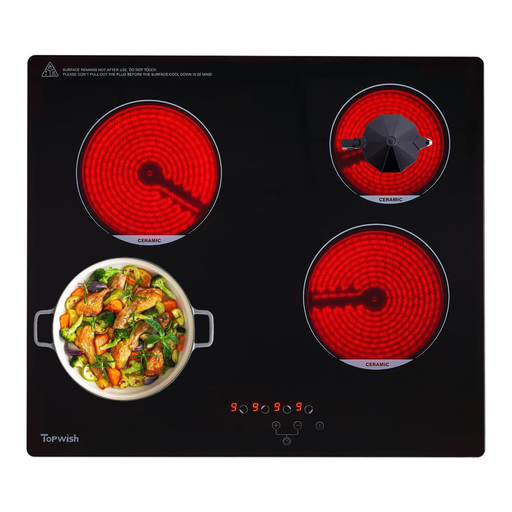 Image unavailable
A four-zone layout worth considering if you prepare several dishes at once. The product name lists touch controls, a child lock and a residual heat indicator. Before buying, make sure you confirm the total power, cut-out dimensions and connection requirements.
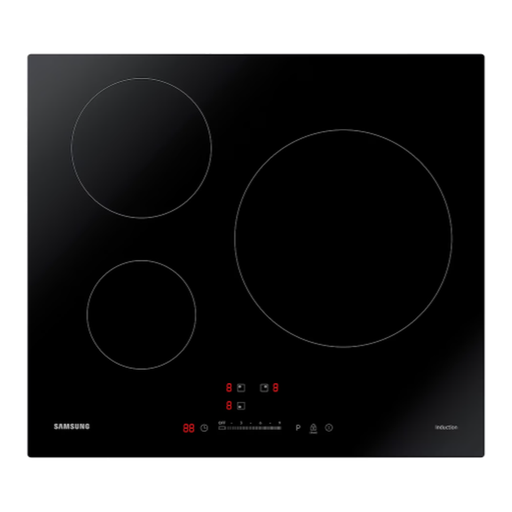 Image unavailable
Worth considering if you’d like to switch to induction and have pans with magnetic bases. Check their diameters, the worktop cut-out and the circuit. Ask an electrician to clarify the wiring requirements for this model. ADEME’s energy-use figure isn’t a measurement for this particular hob.
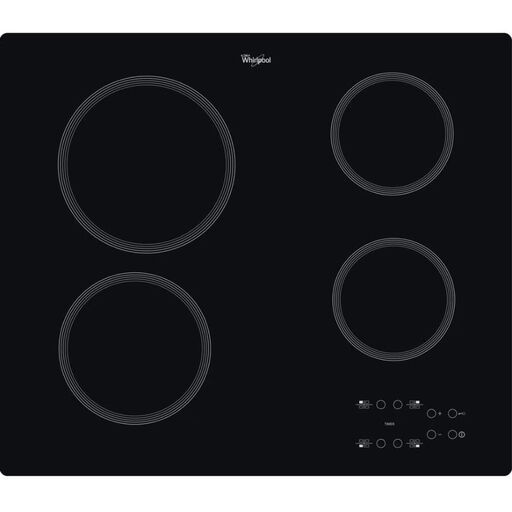 Image unavailable
Worth comparing if you’re replacing a ceramic hob and four cooking zones suit the way you cook. Check the cut-out and make sure the electrical connection is compatible before ordering. ADEME’s annual figure isn’t a measurement for this particular model.
No. ADEME’s figures don’t guarantee the results for every hob or cooking zone. For 409 cooking cycles a year, it gives a figure of 115 kWh/year for the most energy-efficient new induction hobs, compared with 200 kWh/year for a ceramic hob. How often you cook and the model you choose also matter.
Yes, as long as their bases are compatible and their diameters suit the model’s cooking zones. Electrolux advises checking that a magnet sticks to the base of each pan. Then check the hob’s instructions for suitable diameters.
Check the worktop cut-out and make sure your existing circuit is suitable for the model you’re considering. For a hob, Promotelec specifies a dedicated circuit, a 32 A cable outlet with 6 mm² conductors and a 32 A circuit breaker. A professional can inspect your installation and the new hob’s instructions.
No. The hob must be suitable for the available gas supply and the planned connection. You should also have the tap, hose and ventilation checked. GRDF includes these components in the internal installation that needs to be inspected.
It’s worth considering if you regularly use large pans or cook several dishes at once. Compare their dimensions with the hob’s cooking zones. A special zone alone doesn’t tell you how much electricity the hob will use.