What should you consider before buying?
First choose between a built-in hob and a freestanding cooker, then make sure the technology, dimensions and cooking zones suit the way you prepare meals.
| Criteria |
What to check |
My needs |
| Appliance type |
A hob is fitted into the worktop. An electric cooker combines a hob and oven, so compare the hob type, the appliance dimensions and the oven features separately. |
I’m only replacing the hob, or I also need an oven in a freestanding appliance. Electrolux and Whirlpool offer electric cookers that combine both functions. |
| Technology |
Induction requires compatible cookware, as UFC-Que Choisir points out. If you’d prefer a ceramic hob with radiant zones or are considering a conventional electric hob, check the specifications of the model rather than relying on the word ‘electric’ alone. |
I want to keep using my pans, so I’ll check they’re compatible before choosing induction. If I’m replacing a conventional electric hob with a similar one, I’ll compare the specific model with my existing kitchen. |
| Energy consumption |
In its scenario of 409 cycles a year, ADEME gives figures of 115 kWh/year for an induction hob and 200 kWh/year for a ceramic hob. Compare these figures within the same scenario, but don’t treat them as guaranteed savings for a particular appliance. |
If I cook often, energy consumption matters to my choice, but I also need to consider my cookware and how I use the hob. ADEME’s figures aren’t a measure of my future energy consumption. |
| Installation |
Check the existing cut-out, the available depth and the clearances required in the instructions for the exact model. Also check its connection requirements before buying. |
A hob advertised as a 60 cm model must actually fit my worktop and the space underneath it. |
| Cooking zones and cookware |
Check the number and diameter of the zones, then see what the model’s instructions say about using them at the same time. For induction, also check which pan base diameters are compatible. |
I sometimes prepare several parts of a meal at once, so I need enough zones to suit the pans I actually use. |
Hobs available on Joybuy
These built-in models include ceramic and induction hobs for home cooking. For each one, check the installation requirements and, for induction models, make sure your cookware is compatible.
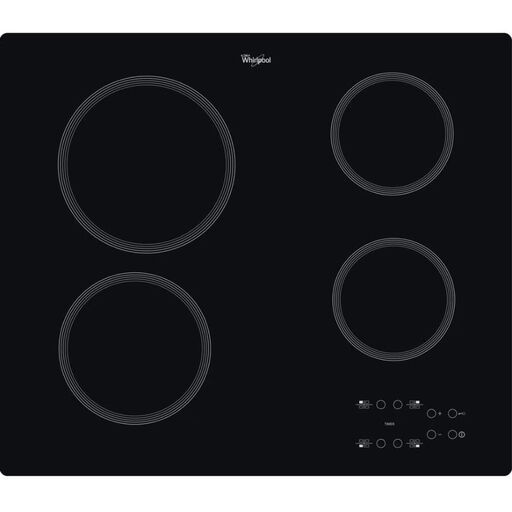 Image unavailable
Whirlpool AKT 801-NE, 4-zone ceramic hob
Its four zones are worth considering if you use several pans during a meal. If you’re replacing a built-in hob, compare this model’s cut-out and installation requirements with your kitchen.
View on Joybuy
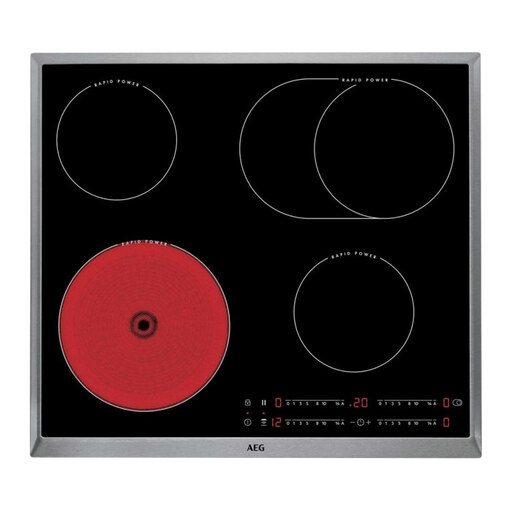 Image unavailable
HK654850XB Series 3000, 60 cm ceramic hob
This ceramic hob is an option to consider for a built-in electric kitchen. The 60 cm size alone doesn’t confirm that it will replace your current hob, so compare its installation diagram with your cabinetry.
View on Joybuy
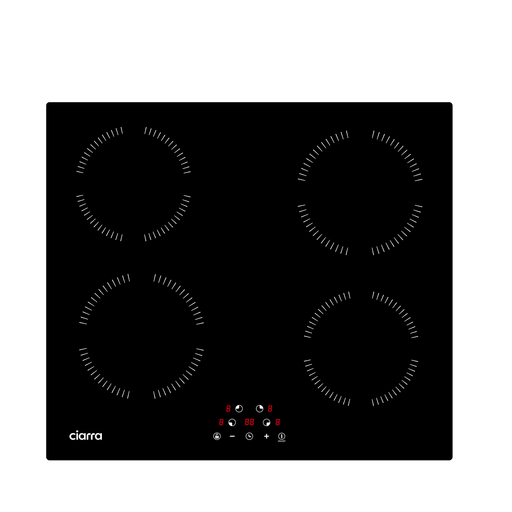 Image unavailable
CIARRA CABBIH4-A, 4-zone induction hob
The four zones and nine power levels listed for this model make it worth comparing with the number of pans you usually use at once. Check your cookware, installation dimensions and connection instructions before choosing it.
View on Joybuy
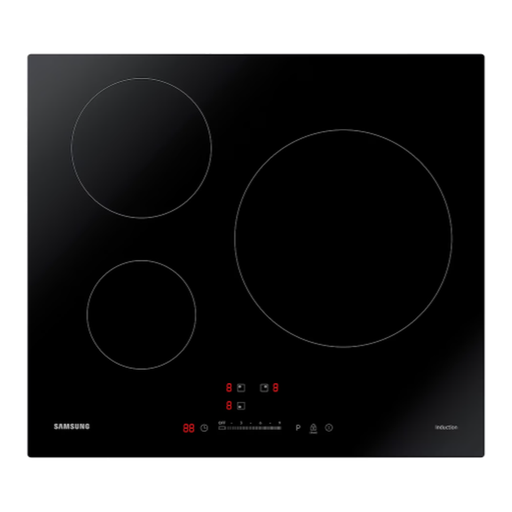 Image unavailable
Samsung NZ63M3707AK, 3-zone induction hob, 7200 W
Compare its three zones with the number of pans you use at once. The stated 7200 W doesn’t, by itself, tell you how much power is available to each zone at the same time. Check your cookware, installation and connection requirements. If you have an active medical implant, ask for advice specific to your device before using an induction hob.
View on Joybuy
 Image unavailable
TOPWISH, 60 cm 4-zone induction hob
This model lists four zones, a timer, a Boost function and a control lock. Check the dimensions and compatible cookware. Before buying, clarify the connection method specified in the instructions: the product listing mentions both an earthed plug and a hardwired connection without a plug.
View on Joybuy
Frequently asked questions
Will all pans work on an induction hob?
No. UFC-Que Choisir points out that induction requires compatible cookware. Electrolux recommends checking that a magnet sticks to the base. Also check that the pan base is flat and that its diameter meets the requirements in the hob’s instructions.
Can a 60 cm hob replace any other 60 cm hob?
No. Measure the cut-out and the space beneath the worktop, then check the new model’s installation diagram. Electro Dépôt gives 56 × 49 cm as a common cut-out size for induction hobs, not a guarantee for every model.
Should you look for an energy label on a hob?
No. The European Commission says that hobs aren’t subject to energy labelling requirements. To compare them, look at the relevant specifications and, where available, energy consumption measurements taken under comparable conditions.
When should you choose an electric cooker rather than a built-in hob?
An electric cooker is a good choice if you want a hob and oven together in one freestanding appliance. Electrolux and Whirlpool offer this type of appliance. For the model you’re considering, compare the size, technology and cooking zones of the hob, along with the oven features.


