Households that cook often
If you use your hob every day, compare energy-use figures with their usage assumptions in mind. If you’re considering induction, check your cookware and installation requirements too.


If you cook often and want to keep a closer eye on your energy use, start by looking at induction, provided your cookware, worktop cut-out and electrical installation are suitable. Ceramic glass is still an option if being able to keep cookware that isn’t induction-compatible matters more to you. ADEME’s figures distinguish between these technologies, but they can’t predict how much your future hob will use.
If you use your hob every day, compare energy-use figures with their usage assumptions in mind. If you’re considering induction, check your cookware and installation requirements too.
If several of your pans don’t have bases that work with induction, a ceramic-glass hob may let you keep using them. Check your cookware before switching technology.
In an existing kitchen, the stated width isn’t enough to go on. Measure the cut-out and the space beneath the worktop, and check the connection before comparing them with the instructions for the model you’re considering.
First, identify the technology used by your old hob. Then check your cookware, the cut-out and the power supply before comparing energy-use figures. “Electric” can refer to several technologies, so the term alone won’t tell you whether a hob is induction or ceramic glass.
| What to consider | What to check | Think about your needs |
|---|---|---|
| Energy use | Compare figures based on the same usage assumptions. In its table based on 409 cycles per year, ADEME gives 200 kWh/year for the ceramic-glass reference and 115 kWh/year for the most efficient new induction hobs. These aren’t averages for two directly comparable models. | I cook frequently and want to keep an eye on my energy use, without treating these figures as a prediction of my own usage. |
| Cookware | For induction, test the bases with a magnet, then check the permitted diameters in the instructions. Electrolux says a magnet should stick to the base of compatible cookware. | I’d prefer to keep using my current pans if they’re suitable for the technology I choose. |
| Power supply | Check the maximum power rating and connection diagram for the exact model. Have a professional check that your existing circuit is suitable before making any changes. Promotelec’s general guidance can’t confirm whether a specific installation is suitable. | I’m replacing a hob in an existing home and want to avoid choosing an appliance that isn’t compatible with its power supply. |
| Fitting | Measure the cut-out and the space beneath the worktop, and check the clearances required in the instructions. Electrolux product pages specify a 560 × 490 mm cut-out for models LIT60333CK and LIB60320CL, but this measurement isn’t universal. | My new hob needs to fit in my existing kitchen, not just have a similar advertised width to the old one. |
| Cooking zones and cleaning | Compare the number and size of the zones with your cookware and the number of dishes you cook at once. Check the model’s care instructions before choosing too. | I sometimes use several pans and want a layout that suits the way I cook, as well as care instructions that work for me. |
Cookware with a base that isn’t suitable for induction may not work on your new hob. The base size also needs to match the model’s specifications.
Test each base with a magnet and check the permitted diameters in the instructions before choosing.
The advertised width doesn’t guarantee the cut-out will be the same size or that there’ll be enough space beneath the worktop.
Measure the existing opening and compare it with the installation diagram for the exact model, including its ventilation requirements.
If the cut-out doesn’t match, you may need to adapt the worktop.
A figure in watts describes the appliance’s stated power, not how much energy it uses over a year. ADEME’s annual figures are based on an assumption of 409 cycles.
Compare energy-use figures alongside their usage conditions, and take into account how often you cook.
Promotelec’s guidance on electrical installations isn’t enough on its own to assess a home’s circuit or confirm that it’s suitable for a particular hob.
Before making any changes to the connection, ask a qualified professional to check the installation and the model’s instructions.
Brand product pages can help you compare specific models, but their specifications don’t automatically apply to every model from that brand.
The French product pages for its built-in induction hobs LIT60333CK and LIB60320CL give useful information to help you plan a replacement.
Bosch’s product page for the PUC611AA5E induction hob describes features including its PowerBoost function.
Whirlpool’s French catalogue includes ceramic-glass hobs that you can explore by model.
These induction hobs give you a chance to explore this replacement option. Before choosing a model, check that its installation requirements and cookware compatibility suit your kitchen. This selection doesn’t compare ceramic-glass hobs.
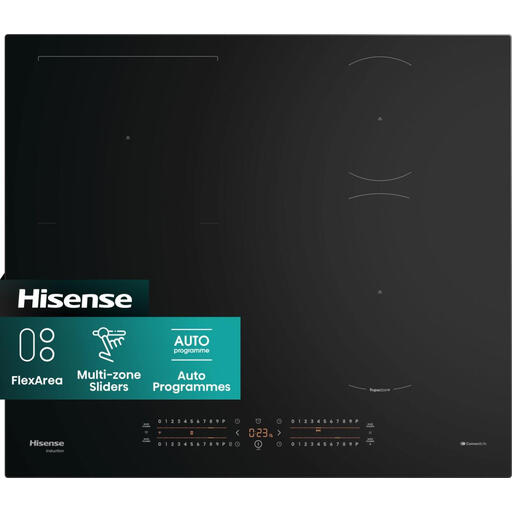 Image unavailable
If you’re replacing a built-in hob, check that this model’s installation dimensions suit your worktop. Test your cookware for induction compatibility and ask a professional to check that your existing connection is suitable.
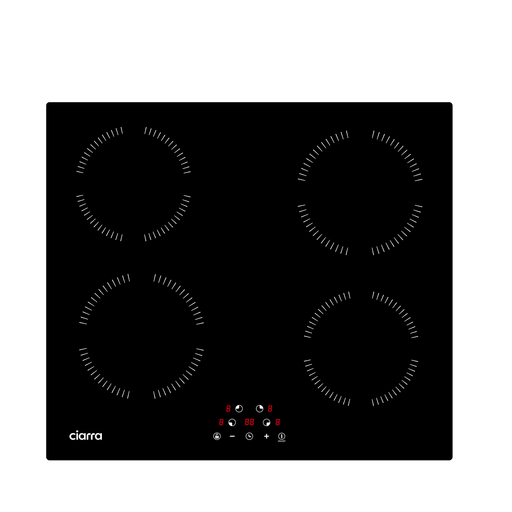 Image unavailable
If you cook several dishes at once, compare the layout of its four zones with the sizes of your cookware. The title lists nine power levels; check the cut-out and connection details in the instructions too.
 Image unavailable
If you cook several dishes at once, check the layout of its four zones and the permitted cookware diameters. The title mentions a timer, Boost function and residual heat indicator. Be sure to check the connection instructions before buying.
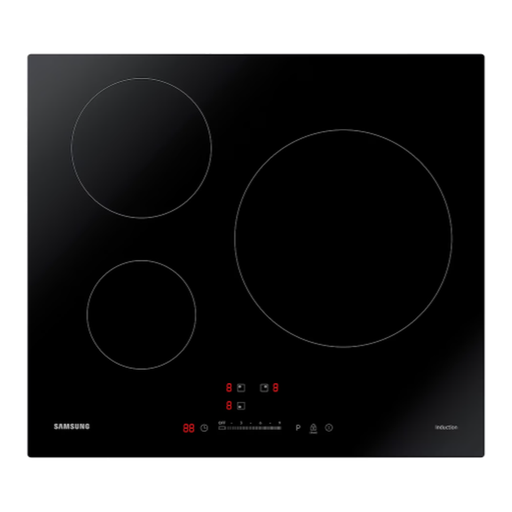 Image unavailable
If three cooking zones suit the way you usually cook, check their dimensions before replacing your hob. The 7 200 W stated in the name is a power rating, not annual energy use. Have the installation requirements checked too.
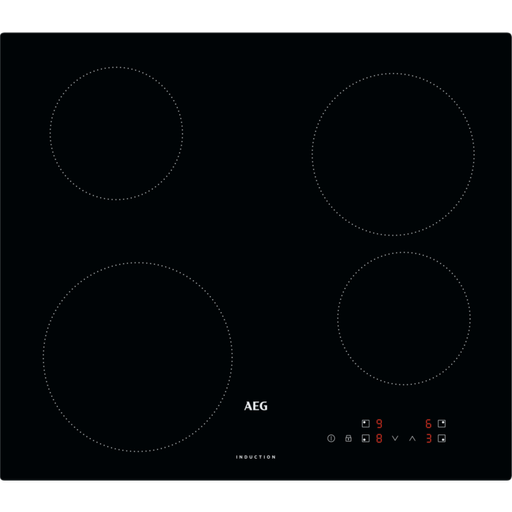 Image unavailable
If you’re replacing a built-in hob, check the type of installation required and the space available beneath the worktop. The name specifies a two-phase Perilex connection. Before choosing this model, ask a professional to check that it’s compatible with your home’s installation.
Not necessarily. You’ll need to compare the new hob’s electrical requirements with your existing installation. Promotelec describes rules that apply in particular to new installations and some renovations, but these can’t confirm remotely whether an existing circuit is suitable. Ask a qualified professional to check whether any changes are needed.
Place a magnet on the base of each pan. According to Electrolux support, it should stick for the pan to be suitable for induction. Then check the hob’s instructions to make sure the pan diameters are accepted.
Not necessarily. Electrolux product pages for models LIT60333CK and LIB60320CL specify a cut-out size of 560 × 490 mm, but this doesn’t apply to every hob. Measure your opening and check the depth and clearances specified in the instructions for the model you choose.
Take it to a suitable electrical and electronic equipment recycling collection point. The French Ministry for Ecological Transition outlines the French collection scheme for household waste electrical and electronic equipment. Find out which collection options are available near you.