
Livraison le jour même ou le lendemain

Qualité garantie

Débloquez vos offres de bienvenue: Livraison GRATUITE | Jusqu'à -80 % | 30 jours d'essai gratuits à JoyPlus
Téléchargez l'application
An induction-compatible stockpot doesn't just need to heat up on a modern hob. It also needs to stay stable, distribute heat evenly, offer the right capacity, and stand up to everyday use: soup, pasta, stew, Chinese hot pot, or family meals. The trouble is, some product listings blur the lines between diameter, usable capacity, and actual compatibility.
Before you choose a stainless steel stockpot, an induction-compatible casserole dish, or an enamelled cast iron pot, take the time to check the following points.
An "all hob" stockpot may be designed for gas, electric, ceramic, and induction. However, some models, particularly glass ones, require a magnetic adapter disc. This is the case with the Belissam borosilicate glass stockpot: its listing mentions induction use with the compatible MC60090 disc.
So, check for the word "induction" in the specifications, and look out for a magnetic base or any additional accessory.
A 28 or 30 cm pan might look particularly spacious. Yet its depth plays an equally important role in the actual usable volume. For a family, compare the capacity in litres with your cooking habits:
The stated capacity doesn't always match the recommended fill level. Leave some room to avoid splashes and boil-overs.
A non-stick casserole dish makes cleaning easier, but you need to avoid metal utensils, abrasive sponges, and heating it when empty. The SENSARTE model's listing also recommends removing the silicone protector from the handle during cooking.
If you prefer a coating-free surface, a stainless steel stockpot might be a better fit. It may require careful preheating and quick cleaning, but its performance doesn't depend on the condition of a non-stick layer.
On an induction hob, the base needs to be flat enough and magnetic to transfer heat. Models with a capsule or magnetic composite base are generally designed to work on multiple heat sources: induction, gas, electric, and ceramic.
Place the stockpot in the centre of the cooking zone and check that its diameter matches your hob's recommendations. A base that's too small may not be detected properly; conversely, a very large pot may heat less evenly on a smaller zone.
A glass lid lets you keep an eye on cooking without lifting it. However, it should be placed on a heat-resistant surface and not subjected to sudden temperature changes.
For a large-capacity stockpot, choose side handles that are easy to grip with oven gloves. Silicone handles reduce heat transfer but should not be exposed directly to flames.
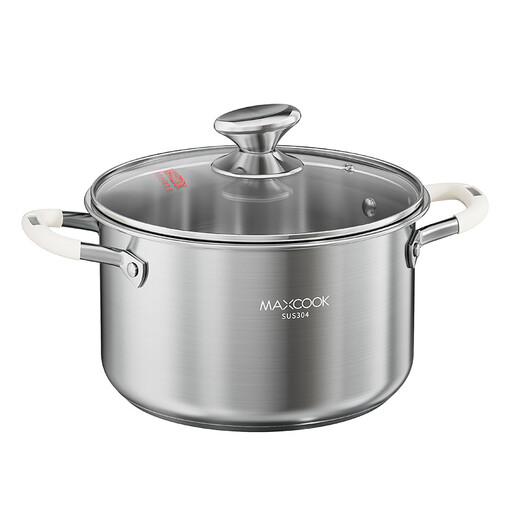
Why this choice suits this profile: Its mid-range size works well for everyday meals without taking up too much space on the hob or in the cupboard.
With its 3.2 L capacity and flat base compatible with induction, it reduces the risk of choosing a pot that's too small or incompatible.
304 stainless steel, glass lid, and silicone handles. The listing states compatibility with induction, gas, electric hobs, and ceramic cooktops.
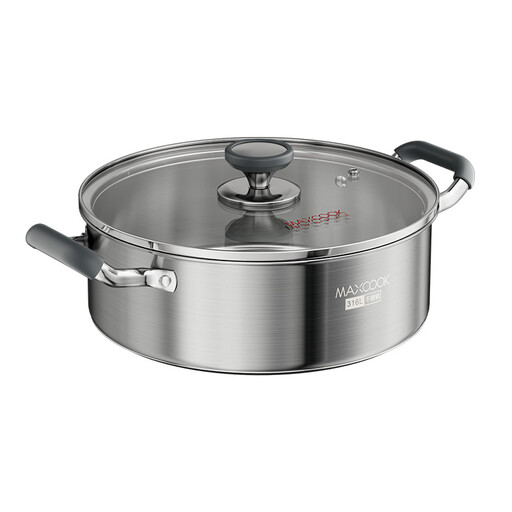
Why this choice suits this profile: Its large volume is ideal for broths, big gatherings, and dishes that need plenty of cooking space.
The stated capacity is clearly listed, and the composite base is designed for different types of cookers.
316L stainless steel, glass lid, silicone handles, and compatibility with gas, induction, electric, ceramic, and halogen hobs.
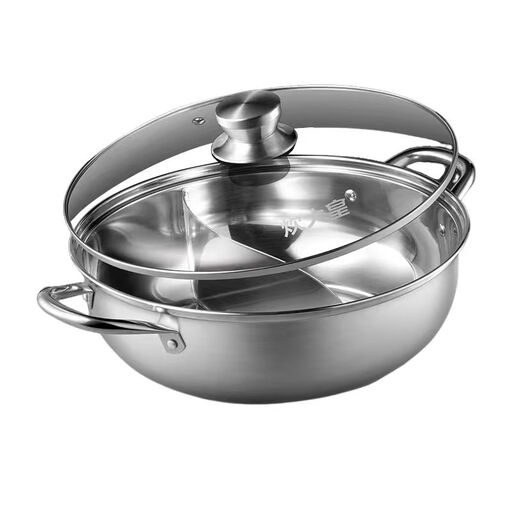
Why this choice suits this profile: Its central divider lets you prepare two broths or two flavours in the same pot for a Chinese hot pot.
Its function is clearly designed for sociable meals, rather than claiming a versatility that's hard to verify.
304 stainless steel, 30 cm diameter, and stated compatibility with induction, gas, and electric hobs.
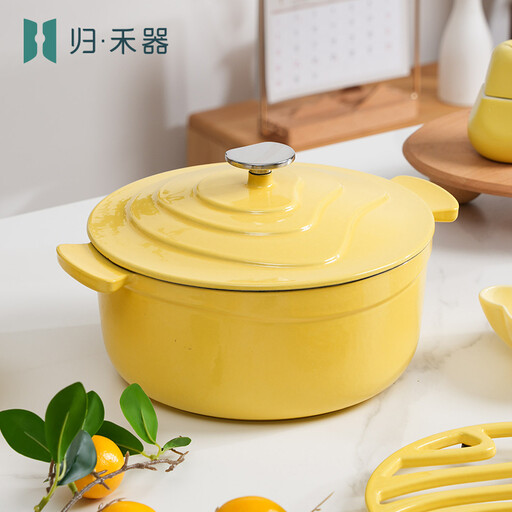
Why this choice suits this profile: This enamelled cast iron pot is ideal for soups, stews, and slow-cooked dishes, in a sensible family size.
The diameter, capacity, and flat base are all specified, making it easy to compare with the space available on your hob.
Enamelled cast iron, flat base, and stated compatibility with induction. Its 3.3 L capacity is suitable for everyday cooking.
We've put together a comprehensive, real-time updated list of products that fully meet these strict selection criteria and European safety regulations.
To keep your induction-compatible stockpot in good condition:
A heavy stockpot filled with hot liquid can quickly become difficult to handle. Its empty weight, the shape of the handles, and its stability on the hob deserve just as much attention as the material.
Look for the explicit mention "induction compatible" as well as a magnetic or composite base. A magnet can give you a first indication for steel, but the manufacturer's listing remains the best reference to confirm compatibility.
For three to five people, a capacity of 3 to 5 L is generally suitable for soups, pasta, and stews. If you regularly make broths or entertain guests, a 6 L stockpot or larger will often be more practical.
Yes, it lets you keep an eye on the boil without constantly opening the pot. However, handle the lid with care, avoid thermal shock, and check its maximum temperature if it's used in the oven.