You can switch to induction and keep the saucepans and frying pans you use most, as long as a magnet sticks to their bases and your electrical installation is suitable for the hob you choose. If several essential pans aren’t compatible, compare the cost of replacing just those with a ceramic hob or, if your gas supply has been confirmed, a dual-fuel hob. A flexible zone can accommodate certain pan shapes, but it won’t make a non-magnetic base compatible.
Who is this choice for?
Households keen to keep using their everyday cookware
If you’re replacing your hob but don’t want to change all your saucepans, start by testing the ones you actually use. UFC-Que Choisir recommends placing a magnet against the base of each pan to identify those containing iron. Then check the electrical requirements of the hob you’re considering.
Households attached to non-magnetic cookware
Some pans made from copper, aluminium or non-magnetic stainless steel won’t work on induction. If these are essential, you could replace only the incompatible pieces or choose a technology that doesn’t rely on a ferromagnetic base.
People who use large pans
For a large casserole dish, griddle or long pan, the shape of the cooking zones matters once you’ve established magnetic compatibility. Models with a Bridge function or connectable zones may be worth considering; compare the dimensions of your pan bases with those supported by the model you choose.
What sets the hobs apart?
First, sort out which pans are essential, then check the cooking zones and installation requirements. This will help you choose between induction, replacing a few pans and a hob that doesn’t use induction.
| Priority |
What to check |
Who is it for? |
| Keep using everyday cookware |
Test each base with a magnet and check the manufacturer’s information before choosing induction. |
If you use the same saucepans and frying pans every day, being able to carry on using them can guide your choice of hob; around 36% of consumers would prioritise this continuity. |
| Replace only certain pans |
Identify the pans that fail the magnet test and compare their dimensions with those of the cooking zones you’re considering. |
If only a few essential pans are incompatible, replacing them individually could let you switch to induction; around 29% of consumers would prioritise this limited replacement. |
| Keep using non-magnetic pans |
Consider a ceramic hob. For an induction-gas hob, have the gas and electrical installations checked separately. |
If you regularly cook with several essential non-magnetic pans, keeping them in use may matter more than choosing induction; around 21% of consumers would have this priority. |
| Use large pans |
Measure the bases and check the dimensions and operation of the Bridge or flexible zones on the exact model. |
A large casserole dish or griddle may determine the layout of the cooking zones, as long as its base is compatible with induction; around 14% of consumers would put accommodating these sizes first. |
Mistakes to avoid
-
Assuming all stainless steel works on induction
UFC-Que Choisir points out that some stainless steel isn’t magnetic. So an important saucepan may not work on your new hob, despite the material listed in its description.
Place a magnet against its base and check the manufacturer’s information before deciding which pans to keep.
-
Choosing the number of cooking zones before checking the electrical connection
Enedis states that an induction hob needs its own electrical circuit and dedicated protection. The number of zones alone won’t tell you whether a model is suitable for your home.
Check the instructions for the exact model and have the circuit and its protection checked if you’re unsure whether they’re suitable.
The circuit may need work before the hob can be installed.
-
Confusing a flexible zone with pan compatibility
Bridge functions and connectable zones affect the cooking surface available. On an induction hob, they won’t let you use a pan with a non-ferromagnetic base.
Test your larger pans first, then compare their shape and dimensions with the zones on the model you’re considering.
Brands to know
Bosch
Some Bosch hobs feature FlexInduction zones for larger compatible pans.
- Bosch describes the zones on selected models as square areas that can be joined to create a rectangular cooking surface.
- Check that the model you choose has this feature, and always test the base of your pan.
Electrolux
The Bridge function may appeal if you want to use a compatible casserole dish or griddle.
- Electrolux describes Bridge as a feature that joins two zones on models equipped with it.
- Check the hob’s exact configuration and installation instructions; this feature doesn’t change the requirements for induction.
Whirlpool
Whirlpool models with FlexiCook are worth considering if you want to combine two zones for a large pan.
- Whirlpool describes FlexiCook as a feature that combines two cooking zones on selected models.
- Compare your pan’s dimensions and the electrical requirements with those of the exact model before choosing.
Hobs to consider on Joybuy
This selection of built-in hobs includes induction models for compatible cookware and ceramic models to consider if you want to keep using non-magnetic pans. For each model, also check the worktop cut-out and electrical connection.
 Image unavailable
TOPWISH, 60 cm built-in induction hob, four zones
Worth considering if your essential pans pass the magnet test and you’re looking for a four-zone built-in hob. The product name mentions touch controls, a timer and a child lock. Check the required cut-out and have the electrical connection requirements confirmed.
View on Joybuy
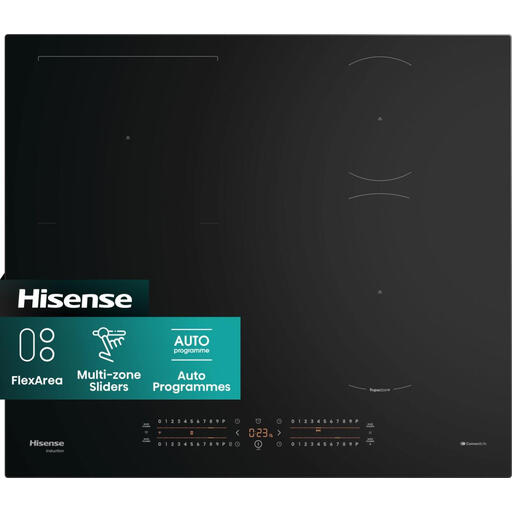 Image unavailable
Hisense HI6432BSCWF Hi6, 60 cm induction hob
If you have larger pans that are already compatible with induction, check the Bridge zone configuration listed for this model and compare it with your cookware. Also confirm the built-in dimensions and electrical connection specified in the instructions.
View on Joybuy
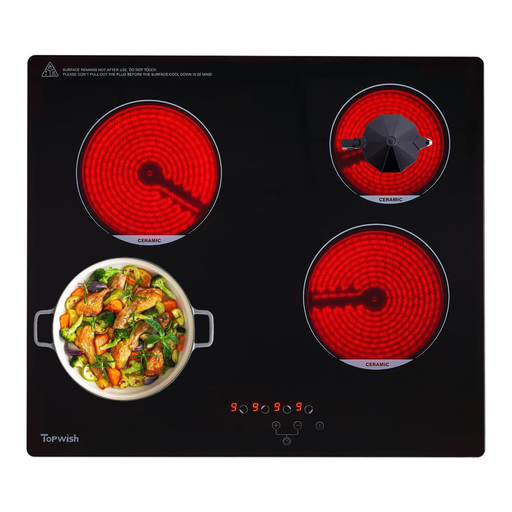 Image unavailable
TOPWISH, 60 cm built-in ceramic hob, four zones
This is an option to consider if you want a hob that doesn’t rely on magnetic activation of your pans. The product name lists four zones and touch controls. Check the instructions to make sure your cookware is suitable, and confirm the exact power requirements and installation conditions.
View on Joybuy
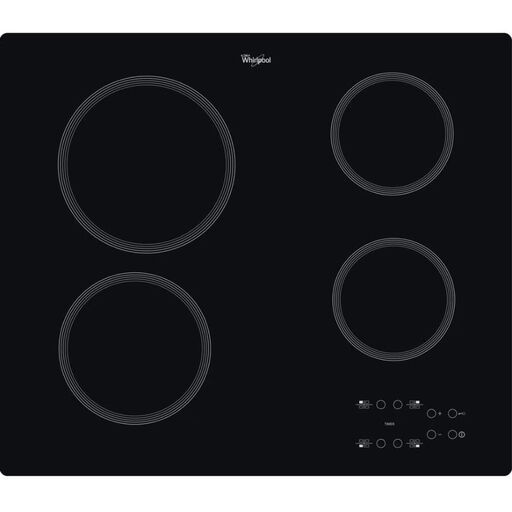 Image unavailable
Whirlpool AKT 801-NE, ceramic hob with four zones
Consider this if you’d prefer a ceramic hob rather than choosing cookware according to how it reacts to a magnet. Check that your pans are suitable in the instructions, then compare the cut-out dimensions and electrical requirements with your installation.
View on Joybuy
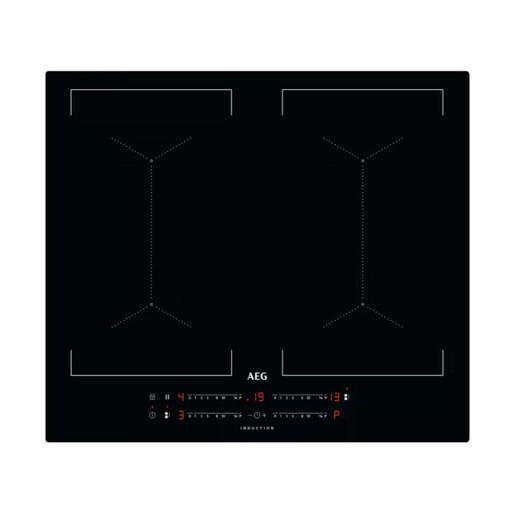 Image unavailable
AEG IKS64453IB, 60 cm built-in induction hob, four zones
If you use larger pans that are compatible with induction, check how the connectable zones listed for this model accommodate their bases. Confirm the exact appliance and cut-out dimensions before making a decision: the width specifications associated with this model are contradictory. Also check the electrical connection required.
View on Joybuy
Frequently asked questions
How can I tell if my saucepans will work on an induction hob?
Place a magnet against the base of each pan you use regularly. If it sticks, the base contains iron and may be suitable for induction, as UFC-Que Choisir explains. Also check the markings or the manufacturer’s information; the appearance of stainless steel alone isn’t enough to tell.
Should I check my electrics before buying an induction hob?
Yes. Enedis states that an induction hob needs its own circuit and dedicated protection. Compare the model’s instructions with your home’s electrical installation, and ask a qualified professional to check if you’re unsure.
Will a flexible zone let me use a non-magnetic saucepan?
No. On an induction hob, a flexible zone changes the cooking surface available for certain pans, but their bases must still be ferromagnetic. Test the saucepan first, then check whether its size and shape suit the model’s zones.
How can I arrange for my old hob to be taken away?
When buying a new equivalent appliance, ask the retailer how they can take back your old hob. The organisation ecosystem offers take-back when you make a purchase; agree the practical arrangements with the retailer before delivery.


