You can switch to induction if the pans you use most often have a compatible base and are the right size for the cooking zones on your chosen hob. If several essential pieces aren’t suitable, compare the cost of replacing just those items with a ceramic hob. A dual-fuel hob may also suit you if you want to keep cooking with gas, provided you check the connection requirements.
Who is this choice for?
Households keen to keep their existing cookware
If you already own several pans, check which ones you actually use before choosing a hob. UFC-Que Choisir and Electrolux France describe the magnet test on the base as a useful first way to identify cookware suitable for induction.
People who cook with large pans
For a casserole dish, large frying pan or rectangular dish, material compatibility alone won’t settle the question. Compare the base dimensions with the sizes supported by the cooking zones, and check whether the model you’re considering has a suitable expandable zone.
Households looking to keep transition costs down
If some of your cookware isn’t suitable for induction, work out which pieces you really need to replace and which you rarely use. You can then compare the cost of replacing cookware with choosing a different type of hob and its running costs.
How do the options compare?
Start with the cookware you rely on, then check its base against the cooking zones you’re considering. This will help you decide whether to switch to induction and replace a few items, stick with a ceramic hob or opt for gas.
| Criterion |
What to check |
Who it matters to |
| Cookware compatibility |
Look for an induction symbol or test whether a magnet sticks to the base of each important pan. Also check that the base is flat. |
I want to keep the pans I use regularly, without finding out after buying a hob that they won’t heat up on induction. Keeping existing cookware is the priority for around 36% of the consumers concerned. |
| Transition costs |
Make a list of the essential items you’d need to replace, then compare the cost with how you plan to use your chosen hob. |
If I need to replace several items, I want to know whether the cost makes sense alongside my choice of hob. Around 29% of consumers prioritise this trade-off. |
| Cooking zone dimensions |
Compare the base diameter with the sizes specified in the manual. For a long or wide dish, check whether there’s an expandable zone. |
My large pans or rectangular dish need to fit the zones I’ll use, even if their material is suitable for induction. Around 21% of consumers put size compatibility ahead of other criteria. |
| Uses beyond induction |
Identify any incompatible cookware you want to keep and, if gas is important to you, look into dual-fuel hob options. |
I want to keep using some cookware that isn’t suitable for induction, or continue cooking with gas. Preserving these options is the priority for around 14% of consumers. |
Mistakes to avoid before choosing
-
Assuming all stainless steel cookware works on induction
The material label alone doesn’t tell you whether the base is ferromagnetic. A pan with a base that isn’t suitable for induction won’t heat up on this type of hob.
Test essential items with a magnet on the base and look for an induction compatibility label. UFC-Que Choisir describes the magnet test; Electrolux France also recommends checking that the base is as flat and thick as possible.
-
Relying on the magnet test alone
A pan may have a magnetic base but still be the wrong size for the cooking zone. The minimum accepted diameter depends on the hob and the zone.
Measure the base of the pans you want to keep, then compare it with the information in the manual for the model you’re considering.
-
Leaving cookware out of the decision
Choosing an induction hob may mean replacing some essential items. Focusing on the hob alone could therefore lead you to the wrong decision between induction and ceramic.
List any incompatible cookware you genuinely need before comparing the two options and their running costs.
-
Treating a dual-fuel hob as a simple appliance swap
A dual-fuel hob combines induction zones with gas burners. Keeping both cooking methods doesn’t mean you can skip checking the connection requirements.
Before buying, check the model’s instructions against the setup in your home, and have the connections assessed by a qualified professional if necessary.
Brands to consider
There are no brands to feature in this section.
Hobs and cookware available on Joybuy
These products represent two options if you already own a set of cookware: choose a ceramic hob or replace some items to switch to induction. Check the dimensions of your pans and cooking zones before deciding.
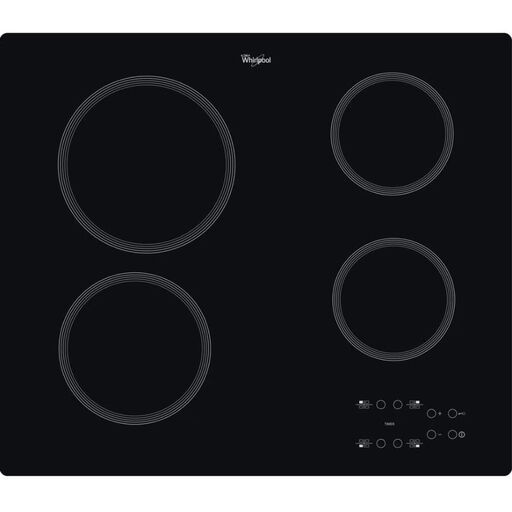 Image unavailable
Whirlpool AKT 801-NE, black ceramic hob with 4 zones
An option to consider if you want to keep cookware that isn’t suitable for induction.
The hob has four zones. Compare your pans’ dimensions with those of the zones, and check the model’s connection requirements before buying.
View on Joybuy
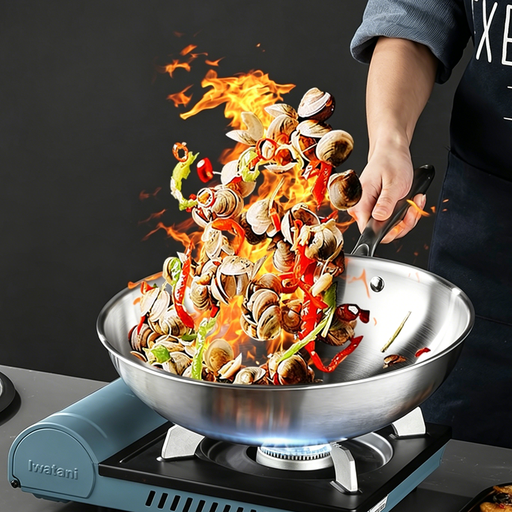 Image unavailable
Maxcook Tri-Ply 304, 28 cm wok with glass lid
Worth considering as a replacement for an incompatible wok if you choose induction.
The title specifies 304 stainless steel construction, a handle and use on gas or induction. The 28 cm measurement refers to the wok size; check the base diameter separately against the cooking zone you plan to use.
View on Joybuy
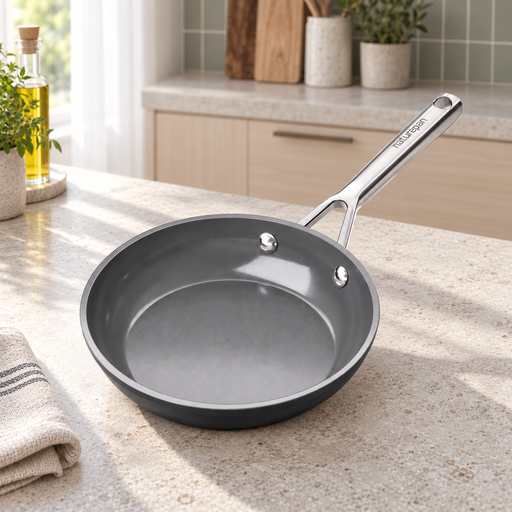 Image unavailable
Naturepan, 20 cm grey induction-compatible frying pan
A replacement option if your current frying pan isn’t suitable for induction.
The title specifies an aluminium body with a ceramic coating. Compare the base dimensions with the cooking zone you’ve chosen before buying.
View on Joybuy
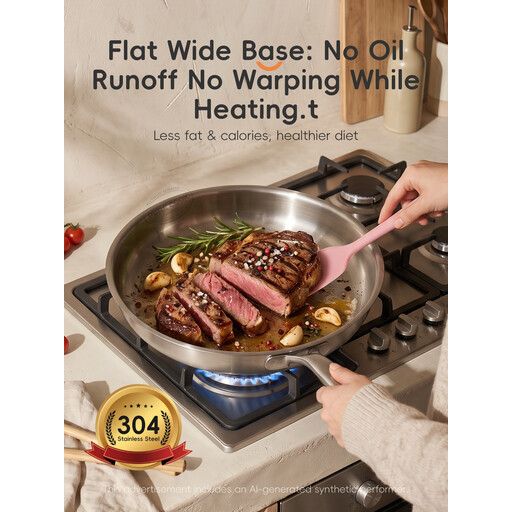 Image unavailable
PURECOOK Tri-Ply 304, 28 cm silver frying pan without lid
Worth considering if you need to replace a large frying pan for use on an induction hob.
The title specifies 304 stainless steel construction and induction compatibility. Check the base diameter for your chosen zone; if you plan to use it in the oven, confirm the permitted temperature in the product instructions.
View on Joybuy
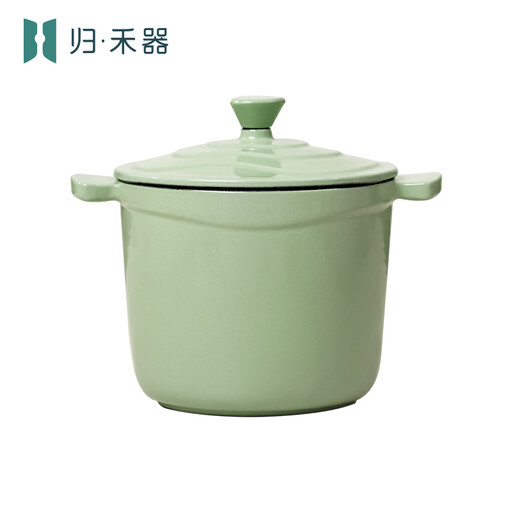 Image unavailable
Guihe, small light green enamelled cast iron casserole, 14 cm and 1.3 L
An option for replacing a small pan if you’re switching to induction.
The title specifies induction compatibility. The 14 cm measurement refers to the casserole’s size: check its base diameter and the minimum size accepted by your chosen zone.
View on Joybuy
Frequently asked questions
How can I check my old pans before switching to induction?
Test each important pan by placing a magnet against its base, and look for an induction label or symbol. UFC-Que Choisir describes using a magnet to identify a base containing iron; then check the sizes supported by the cooking zones on the hob you’re considering.
Will a stainless steel pan always work on induction?
No. What matters is whether the base is compatible, not just whether the pan is labelled “stainless steel”. Check the manufacturer’s information or see whether a magnet sticks to the base before deciding to keep the pan.
Can a compatible pan be used on any induction zone?
Not necessarily: its dimensions also need to suit the zone you’re using. Compare the base diameter with the details in the manual for your chosen model, particularly for small pans and large dishes.
Can a dual-fuel hob let me keep cookware that isn’t suitable for induction?
A hob combining induction and gas may let you use compatible pans on the induction zones while keeping some other cooking options for the gas burners. Check the model’s configuration and the connection requirements in your home before buying.


