You want to keep your pans
Before replacing your hob, check the base of every saucepan and frying pan you use. UFC-Que Choisir points out that cookware without a ferromagnetic base won’t work on an induction zone.


You can switch to induction without replacing all your pans, as long as the ones you want to keep have a ferromagnetic base. If not, consider replacing only the incompatible cookware or compare a ceramic hob instead. A dual-fuel hob could also let you keep gas burners if that suits your circumstances. Then choose the number and shape of the cooking zones to suit the dishes you prepare, and check the fitting dimensions and connection requirements in the manual for your chosen model.
Before replacing your hob, check the base of every saucepan and frying pan you use. UFC-Que Choisir points out that cookware without a ferromagnetic base won’t work on an induction zone.
The number of cooking zones matters, but so does their size if you use a large sauté pan or an elongated dish. Compare the zones on the model you’re considering with the cookware you normally use.
If several of your pans aren’t suitable for induction, compare a ceramic hob with a dual-fuel induction and gas hob if gas already works for your situation. On a dual-fuel hob, each pan still needs to be suitable for the zone you use.
Start by checking which technologies will work with your pans. Then compare the number and shape of the cooking zones to find a hob that suits the dishes you prepare.
Consider it if: the pans you want to keep have a ferromagnetic base, even if you need to replace a few items.
Bear in mind: incompatible cookware won’t work on an induction zone, as UFC-Que Choisir points out.
Consider it if: keeping your pans without needing a ferromagnetic base matters more than switching to induction. Boulanger says ceramic hobs work with all types of saucepans and frying pans.
Bear in mind: this is a different heating technology, not an induction hob that works with every type of cookware.
Consider it if: you want to keep gas burners for some pans while using induction for others.
Bear in mind: the two technologies share the cooking zones, and the requirements for the gas section need to be checked separately.
| Criterion | What to check | Who it matters to |
|---|---|---|
| Cookware compatibility | Check the base of the saucepans and frying pans you want to keep. For induction, it must be ferromagnetic. | I want to keep using my usual pans without discovering after installation that some of them won’t heat up. Around 31% of consumers would make compatibility their top priority. |
| Cooking several dishes at once | Compare the number and size of the cooking zones with the dishes you usually prepare at the same time. | When I have several dishes on the go, I need zones that suit my pans. Cooking several dishes at once would be a priority for around 25% of consumers. |
| Keeping incompatible cookware | Compare replacing only the incompatible items with choosing a ceramic hob; check how the zones are split on a dual-fuel hob if gas suits your circumstances. | I want to keep using pans that wouldn’t work on induction without replacing them all. Around 25% of consumers would put this continuity of use first. |
| Large cookware | Check whether the model has a bridgeable or flexible zone, and confirm its dimensions. | I often use a wide or elongated dish and want to know whether it will fit the shape of the zones. Around 19% of consumers would put this flexibility first. |
The key is a ferromagnetic base. According to UFC-Que Choisir, a pan without one won’t activate the heat on an induction hob.
Check which pans you actually use before choosing a hob. If only a few are incompatible, consider replacing just those.
If you don’t check first, you could end up replacing saucepans or frying pans you intended to keep.
Four round zones may not suit you if you regularly use a large, elongated dish. Bridgeable or flexible zones vary by model.
Compare the shape and dimensions of the zones with the base of your larger cookware. If you mainly use small, round pans, this feature may be less important to you.
A dual-fuel hob has separate induction zones and gas burners. Pans without a ferromagnetic base still won’t work on its induction zones.
Check how many zones of each type are available, and look separately at the requirements for using and installing the gas section.
The width shown isn’t enough to confirm that the hob will fit your worktop cut-out or connect properly in your home.
Compare your existing dimensions with the installation diagram for the exact model. If necessary, ask a qualified professional to confirm the connection requirements.
Discovering a compatibility issue after ordering could delay your hob replacement.
The Bosch PVS631HC1M is an example of a 60 cm induction hob with four cooking zones and a bridgeable zone.
The Electrolux EIS62356IZ and EIV64453 are examples of three- and four-zone layouts respectively, with flexible cooking zones.
A Brandt dual-fuel hob featured by Castorama combines two induction zones with two gas burners.
These products let you compare induction hobs, a ceramic hob and two pieces of cookware for a targeted replacement. For hobs, always check the model’s manual against your worktop cut-out dimensions and installation.
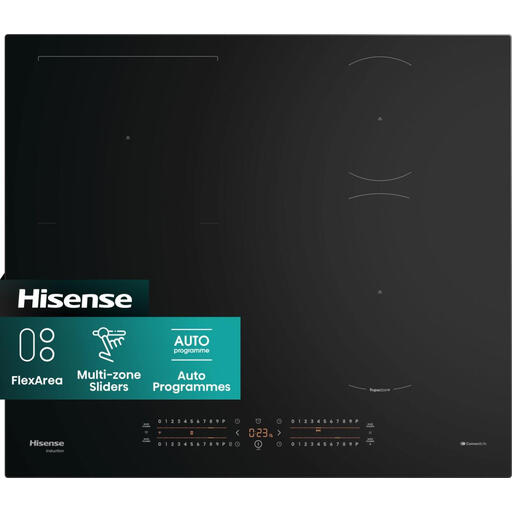 Image unavailable
Consider this hob if you want to switch to induction with a model listed as 60 cm. Check that your cookware has a ferromagnetic base, then compare the zone layout, fitting dimensions and connection requirements in the manual for this model.
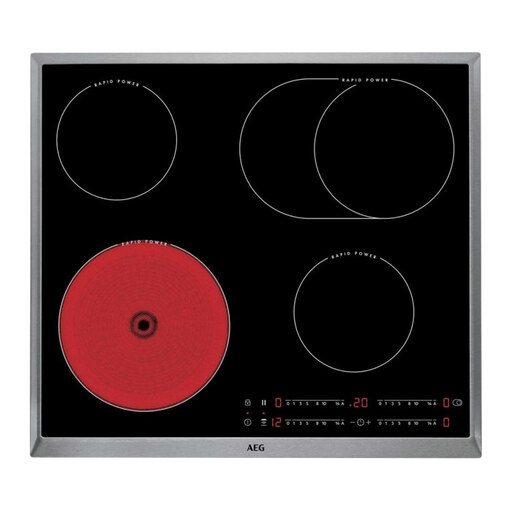 Image unavailable
An option to compare if you want to keep cookware without needing the ferromagnetic base required for induction. This is a 60 cm ceramic hob, not an induction model. Check its zones, fitting dimensions and connection requirements before choosing it.
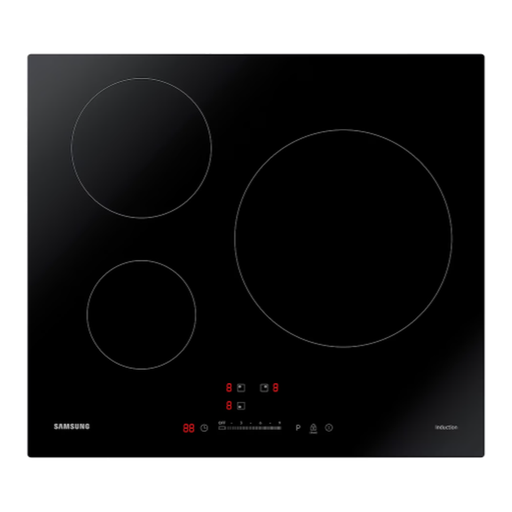 Image unavailable
Consider its three zones if you use up to three pans at once. The product name lists the power as 7 200 W. Check the connection requirements for this model in its manual, and use cookware with a ferromagnetic base.
 Image unavailable
This stockpot could be a replacement option if you’re switching to induction and need a larger pan. The product name says it has a base suitable for gas and induction. Before buying, confirm that this exact pan is compatible with your hob and check what its body is made from.
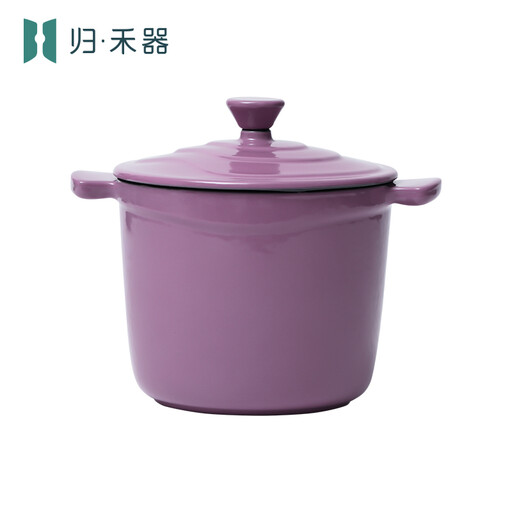 Image unavailable
At 14 cm and 1.3 L, this is a practical size for replacing a small pan rather than a whole set of cookware. The product name says it’s suitable for induction; check that this exact pan will work with the hob you’re considering.
They need to have a ferromagnetic base. UFC-Que Choisir says that a pan without one won’t activate the heat on an induction hob. Check each pan you want to keep before deciding which ones to replace.
Yes. Boulanger says ceramic hobs work with all types of frying pans and saucepans. They don’t use induction, though, so choose one for its own heating method rather than thinking of it as an induction hob that works with more types of cookware.
Consider one if you regularly use a large pan or an elongated dish. Bosch says the CombiZone on the PVS631HC1M joins two zones, while Electrolux features flexible zones on the EIS62356IZ and EIV64453. Compare the dimensions of the zone on your chosen model with the base of your pans.
Compare the cut-out dimensions and connection requirements for the exact model with your installation. These details vary between models. If you’re unsure whether it will fit, ask a qualified professional to confirm before ordering.