Households keen to keep their pans
Before replacing your hob, take stock of the pans you use each week. For induction, test the base of each one with a magnet, then compare its size with the guidance for the hob you’re considering.


You can keep your pans when switching to an induction hob if the bases of the ones you use most often attract a magnet and are the right size for the cooking zones on your chosen model. You can replace any incompatible pans individually. If you often cook with non-magnetic cookware that you want to keep, consider a ceramic hob or, if your home allows, a mixed induction and gas hob. Whatever you choose, check the instructions and the required connection before buying.
It’s not just a question of whether a pan works on induction: you also need to think about what will happen to the cookware you actually use.
Before replacing your hob, take stock of the pans you use each week. For induction, test the base of each one with a magnet, then compare its size with the guidance for the hob you’re considering.
If some of your cookware is magnetic and some isn’t, your choice will largely depend on which pieces you don’t want to part with. You could replace a few items, choose a ceramic hob or consider a mixed setup that suits your home.
Your new hob also needs to suit your kitchen’s installation. Read the model instructions and have the existing connection checked before making your final choice.
Start with the cookware you rely on every day, then compare the different technologies and installation requirements. A hob that works with your pans also needs to suit the way you cook.
| Priority | What to check | To suit my needs |
|---|---|---|
| Induction compatibility | Test each base with a magnet. Check that it is flat, and check which pan diameters are accepted by the cooking zones on the model you’re considering. | I want to keep the pans I use most without finding out after buying that a cooking zone won’t recognise them. UFC-Que Choisir points out that induction won’t work with cookware that has no ferromagnetic base. |
| Non-magnetic cookware | Identify the pieces you use regularly. Compare the cost of replacing just those items with choosing a ceramic hob. For an induction and gas option, also check the type of gas and the model instructions. | If I’m attached to my non-magnetic cookware, I’d rather choose a technology that lets me keep using it than replace my entire set. Bosch describes electric ceramic hobs as suitable for all kinds of pans. |
| How you use the cooking zones | Check the size of the zones, the controls and the safety information. If you use large pans, check the usable dimensions of any zone that can be combined. | I sometimes cook in a large pan, so the shape and size of the cooking zones matter just as much as whether its base is compatible. UFC-Que Choisir’s induction hob test also covers ease of use, energy consumption and safety. |
| Electrical and gas connections | Read the installation instructions and check the electrical specifications for the exact model. Have your existing circuit checked; for a hob with gas, check the supply and the manufacturer’s requirements separately. | I’m replacing a hob in an existing kitchen and want to know whether the new appliance can be installed before I choose it. Legrand explains the dedicated circuit for hobs in its technical documentation, but this does not establish whether my own installation is suitable. |
The material you can see on the sides isn’t enough: the base needs to meet the magnetic requirement. According to Electrolux France, a magnet should stick to the base of the pan.
Test your most-used pans one by one and note the diameter of each base before comparing hobs.
Without checking first, you may end up replacing pans you had planned to keep.
A magnetic base doesn’t guarantee that the size and shape of the pan will suit the cooking zones on your chosen hob.
Check the instructions for the exact model, especially the pan sizes accepted by each zone you plan to use.
Compatibility isn’t the only thing to consider. UFC-Que Choisir’s induction hob testing also takes performance, ease of use, electricity consumption and safety into account.
Once you’ve sorted through your cookware, compare the size of the cooking zones and the controls, and look at test results based on the same method if these factors matter in your kitchen.
The type of hob alone won’t tell you whether your existing circuit meets the power requirements and installation instructions for the model you’ve chosen.
Read the instructions before buying, and ask a qualified professional to check the connection if any changes seem necessary.
Changes to the circuit could delay installation of your new hob.
Their product information can help you narrow down your options, but check the specifications of each model rather than assuming they apply to an entire range.
Electrolux France’s product information can help you check whether your cookware is suitable for induction. The brand also offers ceramic hobs.
Bosch distinguishes between the magnetic cookware needed for induction and the cookware you can use on an electric ceramic hob.
Siemens offers mixed hobs, among other options. They’re worth considering if you want to keep more than one way of cooking.
Whirlpool’s product information lets you compare features on some induction hobs once you’ve checked that your cookware is compatible.
These products are options for replacing cookware if you choose induction; they aren’t recommendations for choosing or replacing the hob itself. For each pan you plan to use, compare the details of its base with the requirements of your hob’s cooking zones.
 Image unavailable
Worth considering if you want to replace a wok while keeping your induction hob: the product listing says it is suitable for induction. The stated diameter is 32 cm; check the base material and diameter against your cooking zone separately. Product information varies on the coating, so check this detail before choosing.
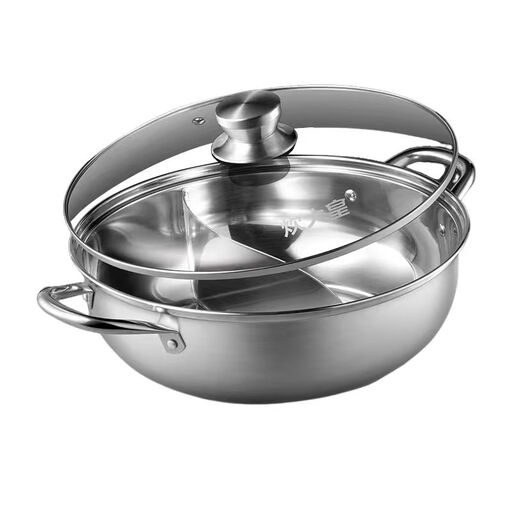 Image unavailable
The divider may suit you if you want to keep using a hot pot after switching to induction; the title says it is compatible with this technology. The stated diameter is 30 cm. Check that the base is magnetic and the right size, as well as the dimensions accepted by the cooking zone you plan to use.
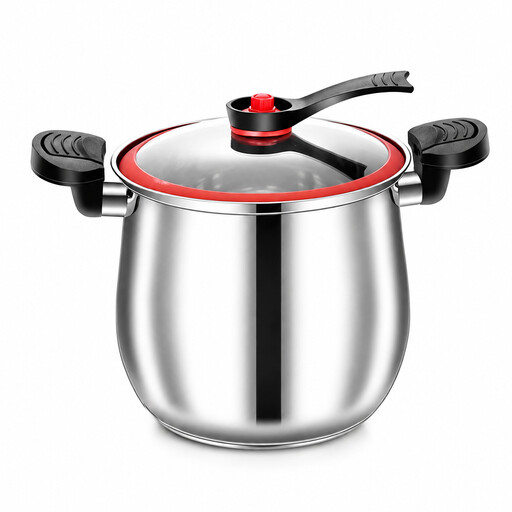 Image unavailable
This pot is listed as suitable for induction and could be worth considering if you’re replacing a casserole pot that isn’t compatible. The title gives its size as 22 cm and 6 L; before choosing, check that the base suits your cooking zone and confirm exactly what’s included in the set.
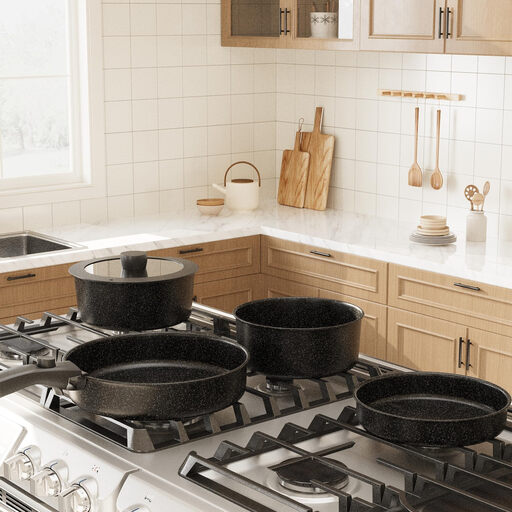 Image unavailable
Worth considering if you need to replace several pieces of cookware: the title lists 19 pieces and says the set is compatible with induction. Check which pieces are included, then check the base material and dimensions of each one you plan to use on your hob.
Place a magnet on the base of each pan you use regularly. According to Electrolux France, it needs to stick to meet the material requirement. Then check that the base is flat and compare its dimensions with the cooking zones on the model you’re considering.
It won’t work just because it’s made from a non-magnetic material: what matters is the composition of the base. If the manufacturer says the base is suitable for induction, test it with a magnet and check the hob instructions for the required dimensions too.
Bosch describes electric ceramic hobs as suitable for all kinds of pans, making them an option if you often use non-magnetic cookware. Check the information for the model, and bear in mind that its surface may stay hot after you switch it off.
It could let you use compatible cookware on the induction zones and your other pans on the gas burners, if that setup suits the way you cook. Before choosing, check the layout of the exact model, the type of gas available and its installation instructions.
Read the installation instructions for the model and have the existing connection checked for compatibility. Legrand describes a dedicated circuit for hobs in its technical documentation, but the specifications of your circuit and the appliance’s requirements need to be checked for your particular installation.