Households looking to keep their cookware
You’re replacing your hob but would like to keep using some of your pans and frying pans. For induction, check the base and diameter of each piece rather than judging your cookware as a whole.


You can switch to induction without replacing all your cookware, as long as the pieces you want to keep are compatible and their bases are suitable for the cooking zones on your chosen hob. Also compare the number of zones with the way you usually cook. If you’ll still need to use lots of non-compatible pans, it may be worth considering a ceramic hob or a mixed-fuel hob. Check the model’s electrical requirements against your existing installation separately.
You’re replacing your hob but would like to keep using some of your pans and frying pans. For induction, check the base and diameter of each piece rather than judging your cookware as a whole.
If you often use a stockpot, a large frying pan or several pans at once, the number and layout of the cooking zones matter just as much as cookware compatibility.
If much of your cookware isn’t suitable for induction, compare replacing only the pieces you need with choosing a ceramic hob or, if your home allows it, a mixed-fuel hob.
Start with the cookware you actually use, then compare its size and the number of pans you use at the same time with the hob’s cooking zones. Check the electrical supply separately.
Consider this if : the pans you want to keep have compatible bases and are suitable for the zones on the model you choose.
Bear in mind : non-compatible pieces will need to be replaced or used with another type of cooking appliance.
Consider this if : keeping flat-based pans that aren’t compatible with induction matters more to you than switching to induction.
Bear in mind : it uses a different cooking technology, so these pans still won’t work on an induction zone.
Consider this if : you’d like to split your cooking between induction and gas, and your home already has a gas supply.
Bear in mind : a pan that isn’t induction-compatible must still be used on a suitable zone; it won’t work on the induction zone.
| Criterion | What to check | Who is this for? |
|---|---|---|
| Cookware compatibility | Check the base and the compatibility information for every piece you want to keep. Electrolux notes that some multi-layer bases need to be confirmed by the manufacturer. | I want to keep using my usual pans without finding out after buying a hob that some of them don’t work on induction. Around 36 % of consumers would put compatibility first. |
| Number and size of cooking zones | Compare the number of pans you use together and their diameters with the zones listed in the manual; check whether a flexible zone would be useful for larger pans. | When I’m cooking several dishes at once or using a large pan, I need zones suited to the way I cook. This would be the priority for around 29 % of consumers. |
| Non-compatible cookware | Identify any essential pieces that won’t work on induction, then compare replacing just those with choosing a different type of hob. | I still often use pans that aren’t compatible and want to avoid replacing lots of them. Keeping this cookware would be the priority for around 21 % of consumers. |
| Existing electrical supply | Check the requirements for the model you’ve chosen and, if needed, ask someone to confirm that your home’s installation is suitable. | Before ordering a new hob, I want to know whether my existing supply is suitable for the model I’m considering. Around 14 % of consumers would make this their main concern. |
A cookware set may include pans with bases made from different materials. If one piece is compatible, that doesn’t mean the others will work on induction.
Make a list of the pans you plan to keep and check their bases, compatibility information and diameters before choosing a hob.
This check helps you avoid having to replace pieces unexpectedly after assuming you could keep using them.
A pan with an induction-compatible base must also fall within the size range for the relevant zone. These limits vary by hob.
Compare the bases of your smallest and largest pans with the model’s manual. Only add a flexible zone to your list of requirements if your cookware and cooking habits call for one.
A ceramic hob with radiant elements may let you keep using some flat-based pans, but it works differently.
Decide whether your priority is cooking on induction or continuing to use pans that aren’t compatible with it, then choose the technology that best suits your needs.
Having compatible pans doesn’t mean the new hob will be suitable for your home’s electrical installation.
Check the requirements for the model you’ve chosen and, if necessary, ask someone to confirm your existing installation is suitable. Don’t alter or connect the circuit based solely on this guide.
Worth a look if you use large pans and want an induction hob with zones that can be combined.
Worth comparing if you regularly use a large frying pan or stockpot.
Worth a look if you’re deciding between different zone layouts and want to use a flexible zone.
These products suit two approaches: choosing an induction hob or replacing only the cookware you need for induction cooking. Before pairing a hob with a pan, compare the sizes supported by its zones with the size of the pan’s base.
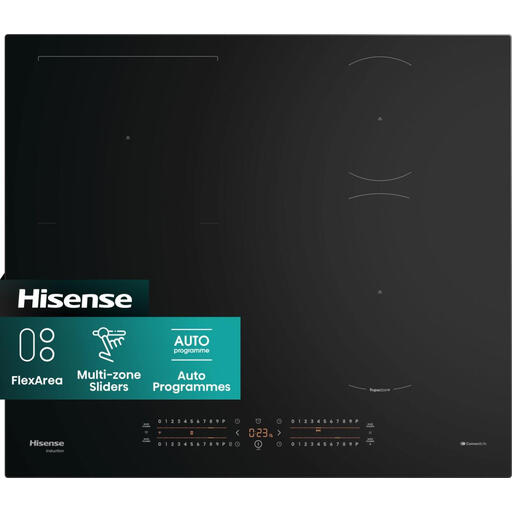 Image unavailable
Worth considering if you’re replacing your hob and want to compare a Bridge function for larger pans. Check the manual for the sizes supported by the zones, as well as the model’s requirements for your existing installation.
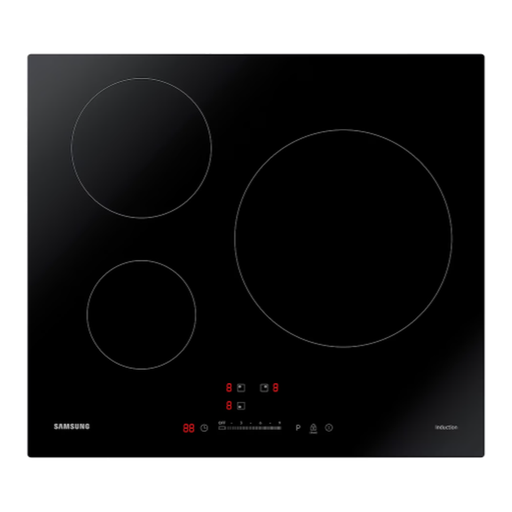 Image unavailable
Worth a look if three zones suit the number of pans you use at once. Check that each piece of cookware you want to keep is compatible, that the zone sizes are suitable and that this model meets your electrical requirements.
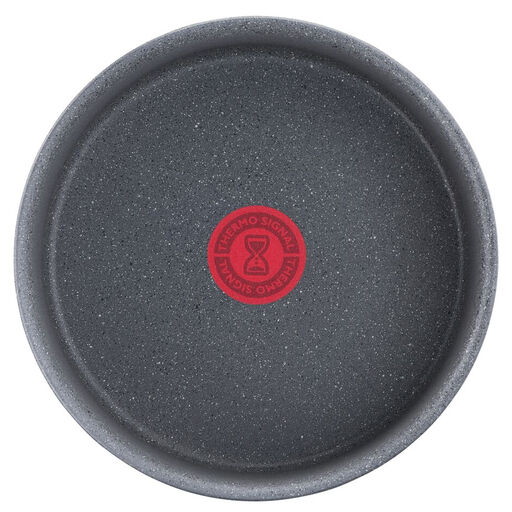 Image unavailable
A good option if you’d rather replace one small non-compatible piece than your whole cookware set. The title describes a 16 cm frying pan suitable for induction, but the item description varies between its listings, so check the shape before buying. Also check that your hob supports the pan’s diameter and that you have a compatible Ingenio handle, which is listed as sold separately.
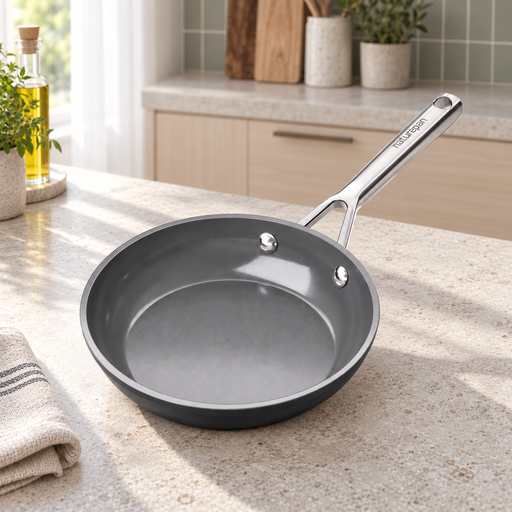 Image unavailable
For replacing a frying pan you can’t use on induction. The stated 20 cm diameter alone doesn’t confirm that it’s suitable for a particular zone, so compare the pan’s base with the sizes supported by your hob.
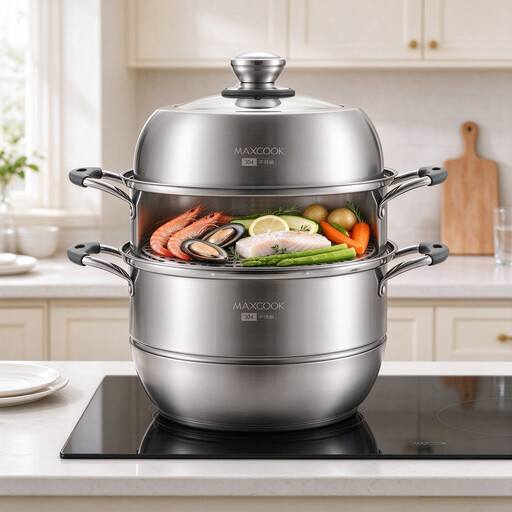 Image unavailable
Worth considering if you’d like to add an induction-compatible steamer to the cookware you’re keeping. The title describes it as made from 304 stainless steel and measuring 28 cm; check the base diameter before using it on a particular zone.
Check every saucepan or frying pan you plan to use on your new hob. Electrolux lists cast iron, steel and enamelled steel among suitable materials, but you should confirm the compatibility of some stainless steel or multi-layer bases with the manufacturer. Then check that the base diameter is suitable for the zones you’ve chosen.
No. A compatible base doesn’t guarantee that its size will suit every zone. Check the permitted diameters in the manual for the exact model, especially for small saucepans, large stockpots and oblong pans.
No. You can replace only the pieces you need for an induction hob. If you want to keep using lots of non-compatible pans regularly, consider a ceramic hob or, if your home allows it, a mixed-fuel hob instead. Any induction zones on these hobs will still require suitable pans.
No, you’ll also need to check the electrical supply. Promotelec describes a dedicated circuit for a hob; check the requirements for your chosen model and, if necessary, ask someone to confirm that your existing installation is suitable. Don’t carry out any electrical connection work based on this guide.