
Livraison le jour même ou le lendemain

Qualité garantie

Débloquez vos offres de bienvenue: Livraison GRATUITE | Jusqu'à -80 % | 30 jours d'essai gratuits à JoyPlus
Téléchargez l'application
An essential in any serious kitchen, the Dutch oven is the true Swiss Army knife of the stovetop. It does it all: simmering stews, creating hearty soups, or simply boiling pasta for the whole family. With the rise of more efficient and energy-saving induction hobs, finding a compatible induction Dutch oven has become a must.
But with all the different materials, sizes, and features, it's easy to get lost. As a product expert at Joybuy, I'm here to help you see things more clearly. This guide is designed to give you everything you need to choose the perfect model for your cooking habits and your kitchen setup.
Before we dive into our top picks, let's review the key factors that will guide your decision.
The choice of material is crucial. It determines heat distribution, the longevity of your pot, and how easy it is to maintain.
The ideal capacity will depend on the size of your household and your go-to recipes. For a family of four, aim for a large capacity of 4 to 6 litres.
Versatility is another key point. A multi-stovetop compatible Dutch oven offers peace of mind, as it will work even if you change your kitchen or cooktop. Likewise, an oven-safe Dutch oven is a real bonus for finishing a dish with a gratin top or completing the cooking process without switching pots.
A Dutch oven with a lid is essential for locking in moisture and concentrating flavours, especially for slow-cooked meals. The ideal choice? A transparent glass lid, allowing you to monitor your cooking without lifting it and letting heat escape.
As for handles, the grip must be secure and comfortable. Heat-resistant or stay-cool handles are a significant safety feature that helps prevent burns.
We have selected three models with distinct profiles, each designed for a specific use case.
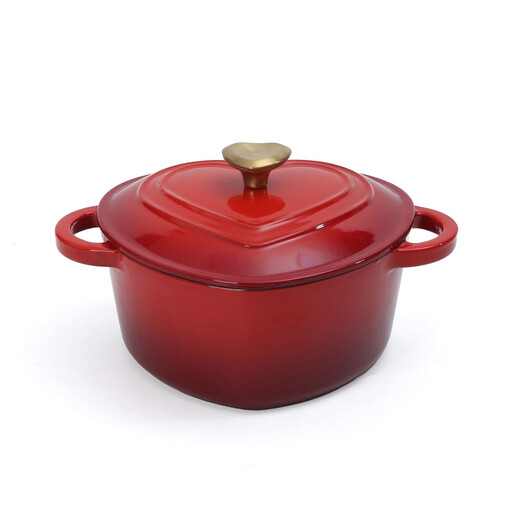
Why it stands out: This PURECOOK Dutch oven combines the performance of enamelled cast iron with a unique heart-shaped design. More than just a cooking vessel, it's a beautiful serving dish that can go straight from the kitchen to the table. Its solid cast iron body ensures optimal heat retention for flavourful, slow-cooked meals.
Advantages:
Who is it for? For lovers of traditional cooking and slow-simmered dishes who appreciate when beauty meets function. Its size is well-suited for couples or small families.
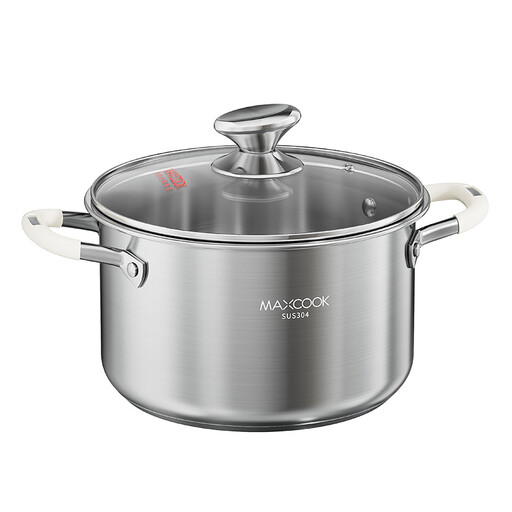
Why it stands out: The Maxcook stockpot is a powerhouse of efficiency and convenience. Made from food-grade 304 stainless steel, it's built to last and withstand heavy use. Its silicone handles and glass lid make it a safe and easy-to-use tool for daily cooking.
Advantages:
Who is it for? For families and daily cooks looking for a reliable, spacious, and low-maintenance stainless steel stockpot. A practical and durable choice.
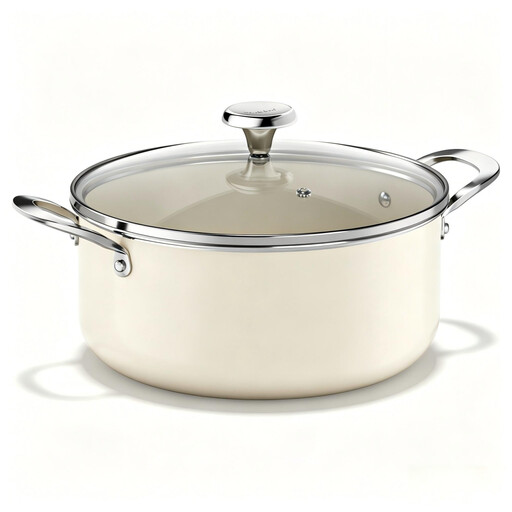
Why it stands out: This Redchef Dutch oven is all about healthy cooking and ease of use. Its non-stick ceramic coating is made without PFOA, PFAS, lead, or cadmium. Its aluminium body makes it very lightweight and ensures rapid, even heating.
Advantages:
Who is it for? For those who prioritise healthy, light cooking and are looking for a high-performance, easy-to-clean non-stick Dutch oven. Its light weight is also a major plus for anyone put off by heavy cast iron.
Our selection highlights three key models for specific needs. But the world of Dutch ovens is much broader. To explore other sizes, materials, or designs, feel free to browse our complete collection.
? Discover our entire collection of stockpots and Dutch ovens
1. How do I know if my Dutch oven is induction-compatible? The easiest trick is the magnet test: if a magnet sticks firmly to the bottom of your cookware, it's compatible! You can also look for the coil symbol (a spiral) marked by the manufacturer on the base or packaging.
2. What's the difference between a stockpot and a Dutch oven? Although the terms are often used interchangeably, there is a subtle difference. A stockpot (the French faitout) is generally taller than it is wide, making it ideal for cooking large volumes of liquid (soups, pasta). A Dutch oven (the French cocotte), often made of cast iron, is wider and shorter, promoting slow, even cooking for meats and stews.
3. How do I care for an enamelled cast iron Dutch oven to make it last? To preserve the enamel, it's best to wash it by hand with a soft sponge and mild soap. Above all, avoid thermal shock (never run a hot pot under cold water). After washing, dry it thoroughly, especially around the rim where the cast iron may be exposed, to prevent any risk of rust.