
Livraison le jour même ou le lendemain

Qualité garantie

Débloquez vos offres de bienvenue: Livraison GRATUITE | Jusqu'à -80 % | 30 jours d'essai gratuits à JoyPlus
Téléchargez l'application
Finding a versatile piece of cookware that works with all your recipes and your new induction hob can be a real challenge. Between the different materials, sizes, and brand promises, it's easy to get lost.
As the head of product selection at Joybuy, my mission is to do the legwork for you. This guide offers practical advice and a curated selection to help you choose the all-hob, induction-ready Dutch oven that’s truly right for you, without the unnecessary marketing jargon.
Before you dive in, let's review the essential criteria for making a smart purchase.
The choice of material is crucial: it determines heat distribution, the longevity of your cookware, and how easy it is to maintain.
Match the size of your Dutch oven to the number of people you typically cook for and your favourite recipes.
Also consider the shape: a round Dutch oven is a versatile classic, while an oval shape is ideal for roasts or whole poultry.
A pot with a well-fitting lid is essential for locking in moisture and flavour, especially for long cooking times. As for the handles, look for ergonomic design: they should stay cool or be large enough for a secure grip, even with oven mitts.
Here are three models that stand out for their materials and features, all compatible with induction.
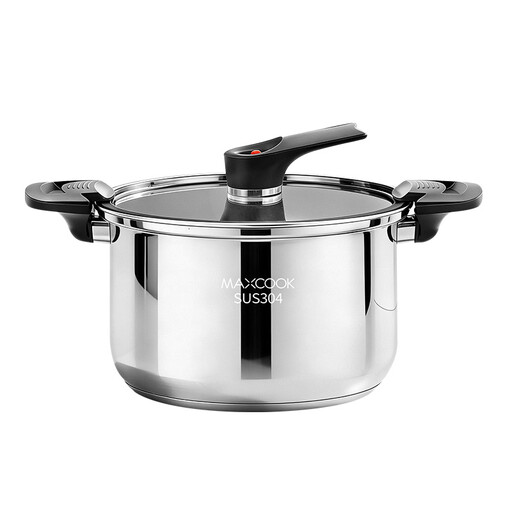
Why it stands out?: This micro-pressure pot combines the speed of a pressure cooker with the safety of a traditional Dutch oven. Its micro-pressure system reduces cooking times without sacrificing the tenderness of meat or the nutrients in vegetables.
Advantages?:
Who is it for?? For those who want to save time in the kitchen without compromising on flavour, and who prioritise healthy, durable materials.
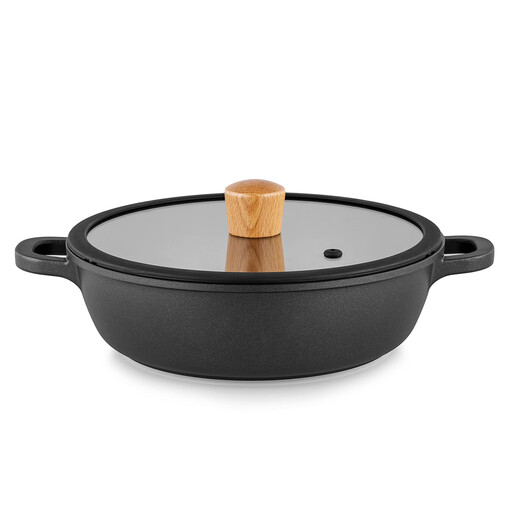
Why it stands out?: This 28cm non-stick Dutch oven is a true Swiss Army knife in the kitchen. Its die-cast aluminium construction makes it lightweight and responsive, while its coating lets you do it all: sauté, fry, simmer, or grill.
Advantages?:
Who is it for?? For those looking for a do-it-all piece of cookware that's easy to use and maintain for all everyday cooking tasks.
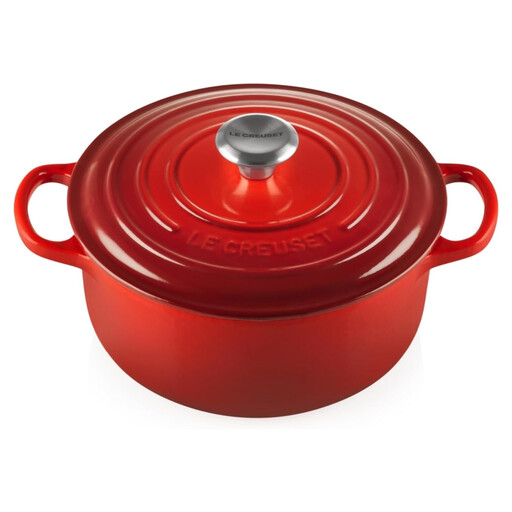
Why it stands out?: The embodiment of French culinary tradition, this enameled cast iron Dutch oven is an absolute benchmark for its cooking performance and unbeatable durability. Its ability to maintain constant heat is unparalleled for dishes that deserve a long, slow simmer.
Advantages?:
Who is it for?? For cooking enthusiasts who love slow-cooked dishes and homemade bread, and who want to invest in a high-performance, iconic piece that can be passed down through generations.
If slow cooking and the authentic flavours of simmered dishes are what you love, an enameled cast iron Dutch oven remains an essential choice. To explore a wider range of sizes, shapes, and colours, discover our complete collection.
? Discover our selection of enameled cast iron pots
1. How do I know if my Dutch oven is compatible with induction?? Most compatible cookware will display a coil-shaped symbol on the base or packaging. The magnet trick is foolproof: hold a magnet to the outer base of the pot. If it sticks firmly, you're good to go!
2. What's the difference between a Dutch oven and a casserole pot?? The two terms are often used interchangeably. Historically, a "faitout" (casserole pot) is a tall pot with two handles. The word "cocotte" (Dutch oven) more specifically refers to a pot made of cast iron (enameled or not), which is heavier and designed for slow cooking. In practice, the line has become quite blurry.