
Livraison le jour même ou le lendemain

Qualité garantie

Débloquez vos offres de bienvenue: Livraison GRATUITE | Jusqu'à -80 % | 30 jours d'essai gratuits à JoyPlus
Téléchargez l'application
Switching to induction cooking promises faster cooking, perfect temperature control, and significant energy savings. But with an overwhelming number of options on the market, the risk of making a poor choice and experiencing buyer's remorse is very real. To avoid disappointment, it's best to know the key factors that separate excellent cookware from a quickly obsolete gadget.
Here are the 3 most common pitfalls to avoid?:
To make the right choice, focus on the technical specifications that truly make a difference in performance and longevity.
The principle of induction relies on a magnetic field that directly heats the base of the cookware. The quality of this base is therefore the number-one criterion.
The choice of coating is a matter of personal preference and cooking habits.
In our often-compact kitchens, every square inch counts.
Rather than an endless list, here is a selection of products that tick all the boxes for specific user profiles.
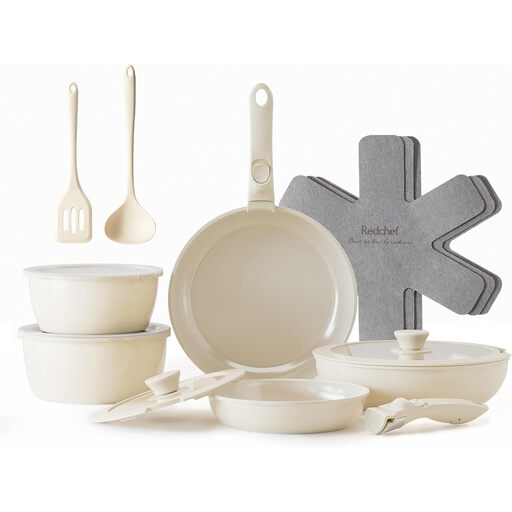
Why we chose it ? This is the perfect solution for apartments, studios, or camper vans where space is at a premium. The stackable system and single handle free up a huge amount of cupboard space while ensuring maximum versatility.
It counters the "bulky set" trap. Each element is designed to nest perfectly. Its ceramic coating is a plus for those aiming for healthy, PFOA-free cooking.
A stackable design that promises up to 75% space savings. The removable handle lets you switch between the hob, oven, and table in a single click.
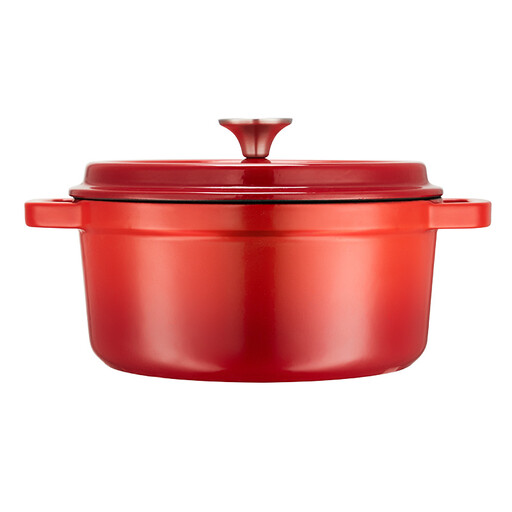
Why we chose it ? The dream cookware for those who love simmering stews, casseroles, and other comfort foods for hours, or even baking bread. Cast iron is unparalleled for maintaining a gentle, constant heat—the secret to successful slow cooking.
This enamelled cast iron casserole is the antithesis of the "uneven heating" trap. Its thermal inertia ensures slow and perfectly uniform heat distribution, which is essential for simmering.
Exceptional heat retention and distribution for tender meats and flavourful dishes. It's a virtually indestructible material, designed to last for generations.
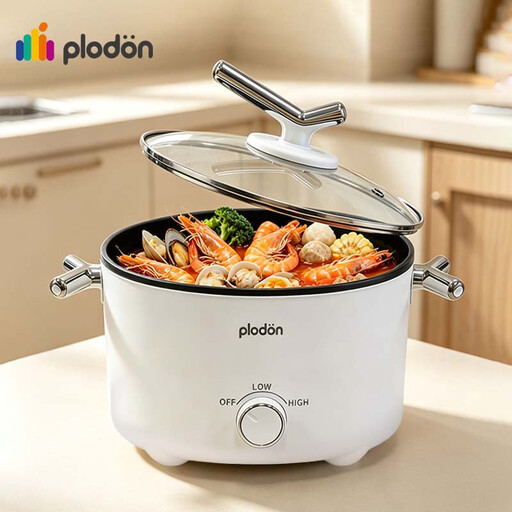
Why we chose it ? The all-in-one solution for a single person or a couple in a dorm room or small studio, especially without a fully equipped kitchen.
This electric multi-cooker isn't a gadget, but a highly targeted tool. It avoids the "useless set" trap by offering a single, versatile solution for essential needs : boiling water for pasta, making soup, or reheating a meal.
Ultra-compact and portable, it plugs in anywhere and requires no hob. Its dual power settings allow for gentle simmering or bringing to a boil in record time.
We have selected a full range of products that meet our quality criteria and European safety standards.
The foolproof trick is the magnet test. Take a magnet from your fridge and place it on the bottom of your cookware. If it sticks firmly, it's compatible. If it doesn't stick, or barely sticks, the cookware will not work on an induction hob.
The initial investment for a quality set may seem a bit higher. However, you should view it as a long-term investment?: good equipment will last for years and ensure more efficient cooking, which means savings on your electricity bill.
To maximise the lifespan of your non-stick cookware, a few simple habits make all the difference?: