
Livraison le jour même ou le lendemain

Qualité garantie

Débloquez vos offres de bienvenue: Livraison GRATUITE | Jusqu'à -80 % | 30 jours d'essai gratuits à JoyPlus
Téléchargez l'application
Switching to induction cooking is a promise of a more modern and efficient kitchen. But here's the catch: finding the right induction cookware to go with it can quickly become a headache. Between marketing claims and technical reality, it's easy to end up with disappointing gear. To avoid buyer's remorse, it's best to know the most common pitfalls and how to avoid them.
This guide is here to help you gain clarity and focus on the criteria that truly matter for a successful and lasting purchase.
To make the right choice, two elements must be inspected closely: the composition of the cookware's base and the nature of its materials.
As a reminder, induction works via a magnetic field. For the magic to happen and heat to be generated, the base of your cookware must be ferromagnetic.
The material of your cookware influences not only the cooking process but also its maintenance and lifespan.
Rather than an exhaustive list, we've matched iconic products with user profiles to help you find the cookware that fits your cooking style.
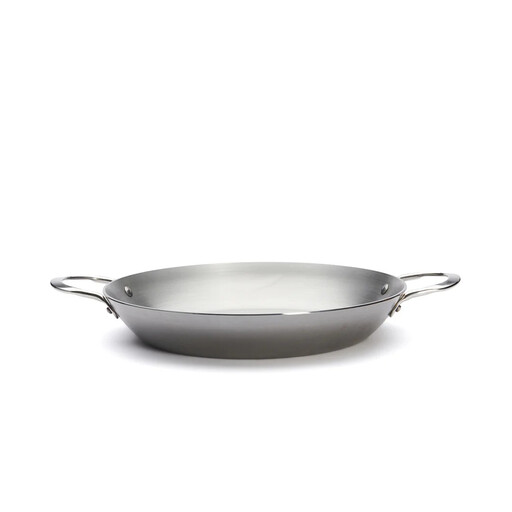
Why we love it: Perfect for those who love tackling signature dishes like paella and cherish materials that improve with time. This paella pan is designed to achieve the famous socarrat, that crispy, caramelised layer of rice at the bottom of the pan.
It doesn't rely on a short-lived non-stick coating. Its carbon steel surface seasons over time, developing a natural patina that makes it increasingly non-stick. This is an item designed to last a lifetime.
Its carbon steel construction ensures lightning-fast heating and perfect heat distribution, qualities that are essential for precision cooking.
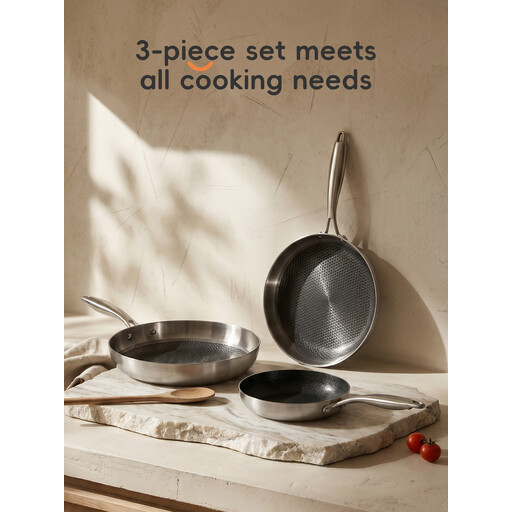
Why we love it: For those who want a versatile, reliable, and durable solution for everyday cooking. This set of stainless steel pans covers all the essentials, from a fried egg to a family meal.
Made from 304 stainless steel, this set is resistant to both the intense heat of induction and scrapes from utensils. It won't warp and has no coating to lose: its robustness is its best quality.
The multi-layer sandwich base ensures rapid heat-up and uniform heat, ideal for perfectly searing meat and vegetables. The durability of stainless steel makes it a core cookware set you can count on without hesitation.
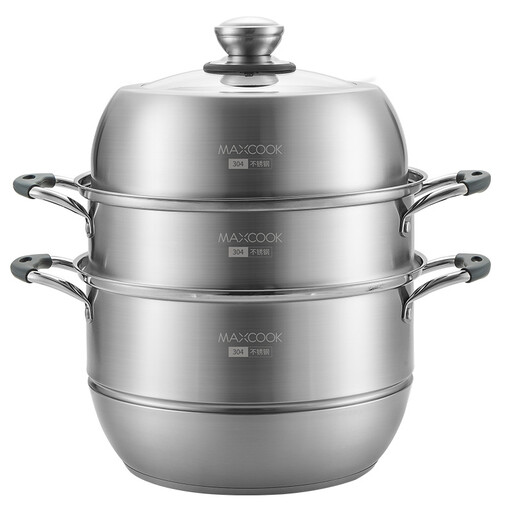
Why we love it: Essential for those who prioritise steam cooking to preserve nutrients and flavours. This steamer allows you to prepare a complete, healthy, and balanced meal in a single go.
It relies entirely on a healthy cooking method, with no coating whatsoever. Its 304 stainless steel structure is stable, neutral, and easy to clean. Bonus: the silicone handles avoid the classic trap of scalding-hot handles.
Its three-tier design offers generous capacity and maximum versatility, allowing you to cook vegetables, fish, and rice simultaneously. The transparent glass lid is perfect for monitoring cooking without losing steam.
We've curated a complete selection of products that meet our quality criteria and current safety standards.
The easiest method is still the magnet test. Take a fridge magnet and place it on the bottom of your pot or pan. If it sticks firmly, it's compatible. If it doesn't stick, or only weakly, your cookware will not work on an induction hob.
It all depends on the quality of the coating and how you use it. The intense and rapid heat of induction can wear out a low-quality coating in less than a year. To extend its life, never overheat your pan while empty, use wooden or silicone utensils, and preferably wash it by hand. A quality coating, well-maintained, can last for several years.
Yes, stainless steel can stick if you don't follow one golden rule: avoid thermal shock. To do this, always preheat the pan or pot over medium heat for one to two minutes before adding any fat (oil, butter...). Wait until the fat is hot (it will start to shimmer slightly) before adding the food. This technique creates a steam barrier (the Leidenfrost effect, or water drop test) that prevents food from sticking.