
Livraison le jour même ou le lendemain

Qualité garantie

Débloquez vos offres de bienvenue: Livraison GRATUITE | Jusqu'à -80 % | 30 jours d'essai gratuits à JoyPlus
Téléchargez l'application
An induction-compatible saucepan isn't chosen solely by its diameter or appearance. A poorly designed base can heat unevenly, while a non-stick coating may require more careful maintenance. And a capacity that's too limited quickly becomes frustrating in daily use.
To avoid unpleasant surprises, it's best to check a few technical features before placing your order. Here are the criteria to consider, along with a selection of models suited to different needs in the UK.
The term all-hob saucepan generally means the product can be used on a gas hob, electric, ceramic and induction hobs. However, this versatility relies on the presence of a magnetic base. To work on an induction hob, the saucepan must have a flat base incorporating a suitable conductive layer.
So check that the product description clearly states compatibility with induction, and not just gas or ceramic hobs. The diameter of the base should also match the cooking zone on your hob.
A non-stick saucepan makes food release and cleaning easier, especially for heating milk, preparing a sauce or cooking porridge. However, it does require a few precautions:
The mention "PFOA-free" or "PFOS-free" describes a stated feature of the coating. It does not exempt you from following the manufacturer's recommendations.
A small saucepan of 14 to 16 cm is suitable for individual portions, milk, sauces or preparing baby food. However, it is less practical for a family soup or several portions of pasta.
Conversely, a 4-litre or larger model takes up more space and can become heavy once filled. The right choice therefore depends on the number of people you serve, the space available in your cupboards and how often you use it.
For cooking on an induction hob, look for:
Models compatible with gas, electric, ceramic and induction hobs offer more flexibility if you move house or change your hob.
304 stainless steel is valued for its uncoated surface, corrosion resistance and versatility. It works well for a soup saucepan, pasta or milk, provided you control the temperature and avoid letting food stick.
Cast aluminium heats up quickly while remaining relatively lightweight. Combined with a non-stick coating, it is ideal for sauces, noodles and everyday cooking. Enamelled cast iron retains heat very well, but is generally heavier and less easy to handle.
A saucepan with a lid reduces splashing and helps maintain gentle cooking. A tempered glass lid lets you monitor the preparation without lifting it. A pouring spout can also be handy for milk and sauces.
Before buying, check whether the handle is removable, whether the saucepan is oven-safe and whether it is genuinely dishwasher-safe. Some brands recommend hand washing, even when the product is presented as dishwasher-safe.
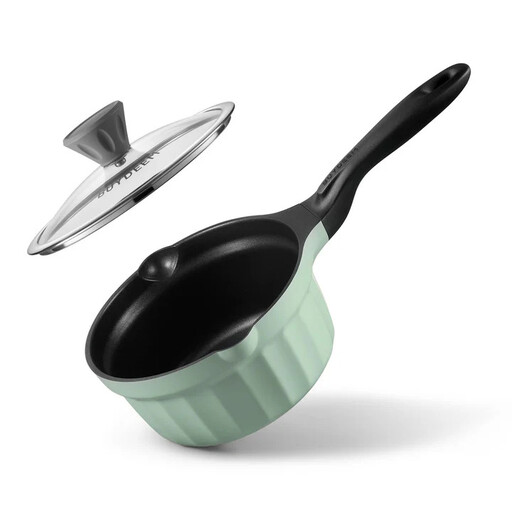
Why this choice suits this profile: With its 1.9 qt capacity, it is ideal for students, single people and households cooking small quantities.
The product description states compatibility with all hob types and recommends hand washing to preserve the coating.
Cast aluminium, multi-layer ILAG non-stick coating stated as PFOS and PFOA-free, and integrated pouring spout.
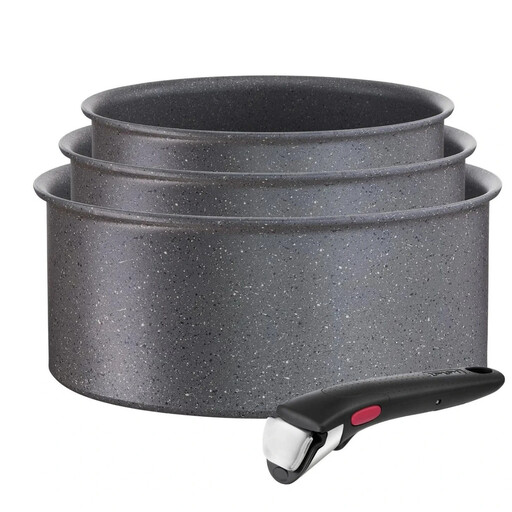
Why this choice suits this profile: Its removable handle and stackable design meet the needs of a well-equipped but compact kitchen.
The product description specifies the limitations for the handle, oven and dishwasher use. This allows you to check that the product matches your needs before buying.
16 cm size, induction compatibility, removable handle and oven use up to 250 °C without the handle.
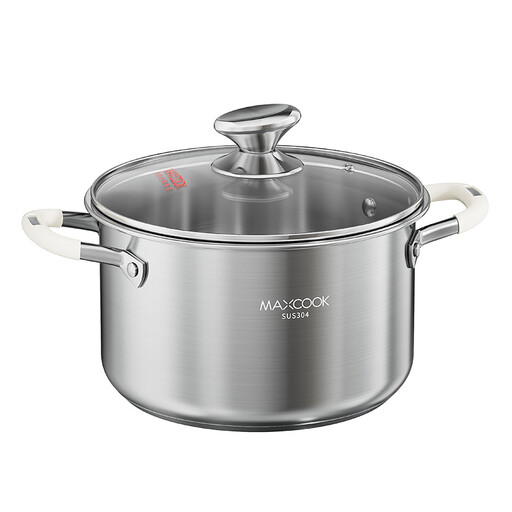
Why this choice suits this profile: Its large capacity is ideal for families who regularly prepare soups, vegetables, stews or pasta.
Compatibility with induction, gas, electric and ceramic hobs is stated. The product also features an encapsulated base and silicone-coated handles.
Stated 304 stainless steel, 4.3 L capacity, glass lid and heat-resistant silicone handles.
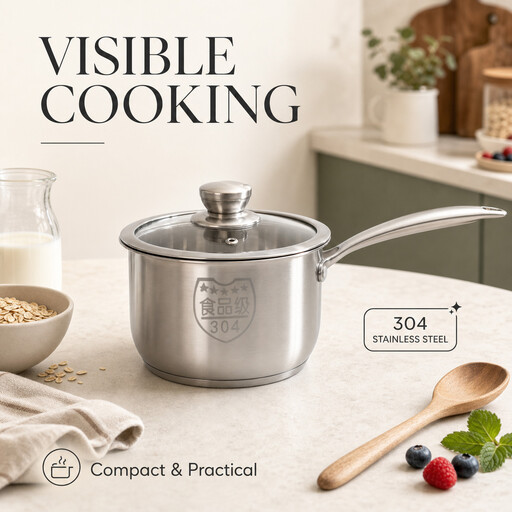
Why this choice suits this profile: Its deep shape is suitable for milk, compotes, porridge, blended vegetables and small family portions.
The product description details the magnetic conductive base, glass lid and washing recommendations. The product does not rely on a non-stick coating.
304 stainless steel, deep design stated as anti-overflow, integrated handle and compatibility with induction, gas and ceramic hobs.
We have put together a comprehensive, regularly updated selection of products that meet these selection criteria and European safety requirements.
Consult the technical specifications and look for the phrase "induction-compatible". You can also place a magnet under the base of the saucepan: if it sticks, this indicates the presence of a magnetic material. However, this test does not replace the manufacturer's instructions.
A diameter of 14 to 16 cm is suitable for milk, sauces, porridge and individual portions. For preparing pasta or soup for several people, opt for a model of 18 to 22 cm, or even a larger capacity depending on the recipe.
It can make cleaning easier, especially after cooking sauces or milk. To preserve its surface, use a soft sponge, avoid metal utensils and check the instructions regarding the dishwasher.