
Livraison le jour même ou le lendemain

Qualité garantie

Débloquez vos offres de bienvenue: Livraison GRATUITE | Jusqu'à -80 % | 30 jours d'essai gratuits à JoyPlus
Téléchargez l'application
Keeping an eye on your home, checking on a sleeping child, or monitoring your pet's antics: the uses for an indoor security camera are endless. Faced with a crowded market, it can sometimes be difficult to know where to start. This guide is here to shed some light and help you find the perfect model for your needs, all without unnecessary technical jargon.
Before diving into our selection, let's review the essential criteria that will help you make the right choice.
Image quality is obviously a primary criterion. A high resolution (2K or even a 4K camera) guarantees a superior level of detail, which is essential for identifying a face or zooming in on a scene. Meanwhile, color night vision represents a significant advantage over traditional black and white infrared. It provides much more usable images in low light, a major asset for monitoring a living room or a child's bedroom.
A fixed camera is sufficient for monitoring a specific area, like a front door or a hallway. However, to scan a large room, a 360° motorised (Pan/Tilt) IP camera proves to be much more versatile. Controllable from your smartphone, it pivots on its horizontal axis and tilts vertically to leave no blind spots.
The power source will depend on your constraints. A battery-powered camera offers complete flexibility: place it wherever you want, without worrying about a nearby outlet. A wired model, on the other hand, ensures a continuous and flawless power supply. On the intelligence front, AI (Artificial Intelligence) motion detection is a game-changer. It teaches the camera to differentiate between a human, an animal, and irrelevant movements (shadows, moving curtains), which drastically reduces the number of false alerts.
We have selected several models that stand out, each tailored for a specific use: security, monitoring loved ones, or keeping an eye on pets.
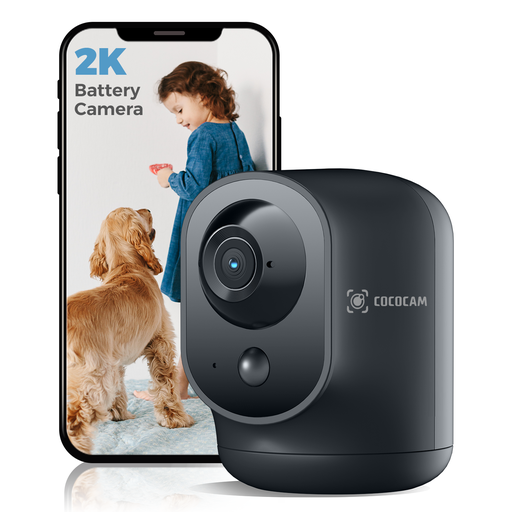
Why it stands out?: Its key strength? The combination of its long-lasting battery and its motorised base, giving it total versatility and freedom of installation.
Advantages?:
Who is it for?? Ideal for renters and anyone looking for a portable solution, whether as a video baby monitor or for pet monitoring. It can be moved from one room to another in an instant, without worrying about outlets.
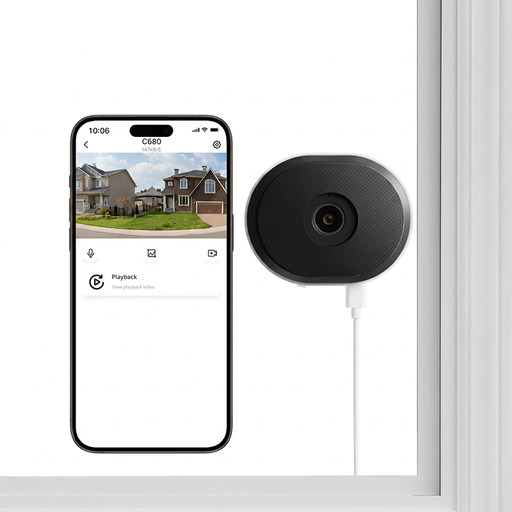
Why it stands out?: Specially designed to film through glass, its anti-reflection technology overcomes a major hurdle that renders most conventional cameras completely ineffective in this scenario.
Advantages?:
Who is it for?? Perfect for those in apartments or houses who want to monitor the outside (a driveway, a garden, a landing) by placing the camera inside, behind a window.
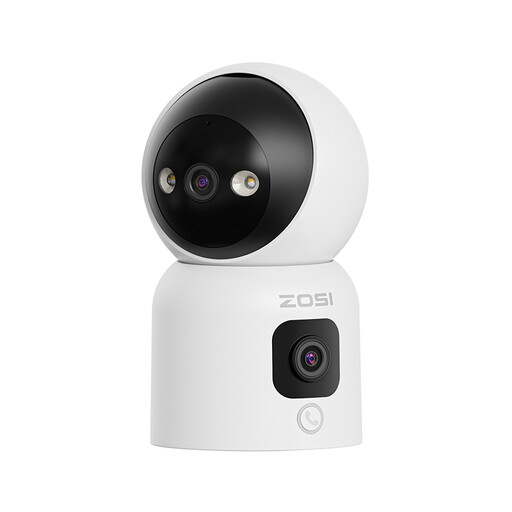
Why it stands out?: Its dual lens and unique calling features transform it into a true communication hub for the whole family.
Advantages?:
Who is it for?? An excellent option for families who want to stay connected. Its calling features make it a particularly relevant tool for maintaining easy visual and audio contact with children or seniors.
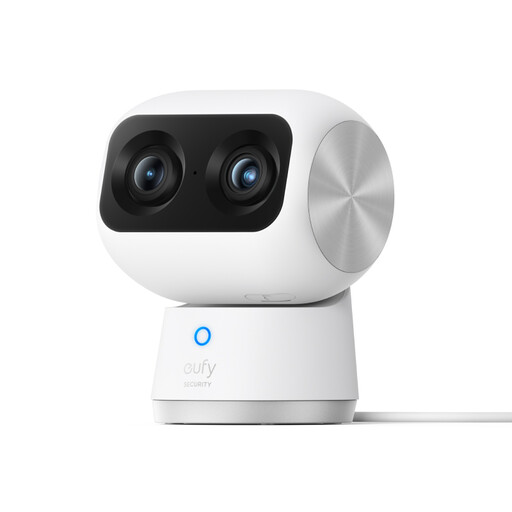
Why it stands out?: This premium model goes all-in on image quality, with 4K definition and a powerful hybrid zoom for an exceptional level of detail.
Advantages?:
Who is it for?? For demanding users who want to make no compromises on image quality and are looking for advanced tracking features, whether for pure security or for observing their pets with incredible precision.
Our selection highlights a few flagship models, each meeting a specific need. To discover other references, explore different price ranges, or find alternative features, feel free to browse our complete category.
? Explore Our Full Range of Indoor Security Cameras
1. Can an indoor security camera record without Wi-Fi? The majority of Wi-Fi cameras require an active internet connection for live streaming, sending notifications, and cloud storage. However, many models, including those in our selection, include a microSD card slot. This allows them to continue recording locally even if the network goes down. You can then view these videos once the connection is restored.
2. How is the privacy of my data ensured? This is a major and legitimate concern. Reputable manufacturers implement several safeguards: end-to-end encryption of video streams, password-protected accounts, and two-factor authentication. Some models even offer a privacy mode that physically covers the lens and cuts the microphone. On your end, the golden rule is to use a strong, unique password for your account.
3. Is installing a Wi-Fi camera complicated? No, quite the opposite. Installation is now very simple and accessible to everyone. Generally, you just need to plug in the camera, download the manufacturer's app on your smartphone, create an account, and then follow the guided steps to connect it to your Wi-Fi network. The entire process rarely takes more than five minutes.