
Livraison le jour même ou le lendemain

Qualité garantie

Débloquez vos offres de bienvenue: Livraison GRATUITE | Jusqu'à -80 % | 30 jours d'essai gratuits à JoyPlus
Téléchargez l'application
Furnishing a balcony, terrace, garden or bright room with plants involves more than simply choosing a colour. Indoor and outdoor plant pots and planters must support the weight of potting soil, withstand moisture and temperature fluctuations, and sometimes be moved frequently. An unsuitable container can quickly crack, retain too much water or make plant care more difficult.
A flower pot with a water reservoir can reduce the frequency of watering, but it should not leave the roots permanently submerged. Check for a dedicated compartment, opening or system that allows excess water to drain away. Indoors, you should also provide a suitable saucer or drip tray.
A planter filled with soil, water and plants can become very heavy very quickly. A large 98 L planter, for example, is better suited to a solid terrace or garden than to a balcony shelf. Before ordering, measure the available space, check the load-bearing capacity of the floor and consider how you will position the container.
A stone effect, matt finish or vibrant colour does not guarantee product durability. For outdoor use, look for precise information about UV protection, frost resistance, material composition and recyclability. Decorative ceramic is ideal indoors, while a robust polymer is often easier to move and maintain.
The pot’s capacity should accommodate the plant’s development. Seasonal flowers and herbs generally do well in compact containers. Shrubs, small fruit trees and generous plant arrangements need more soil and a stable base.
For a large planter, also check:
Castors are convenient for moving a pot during cleaning, when changing its position or as winter approaches. If the container will remain on a terrace or near a window, it is best to choose a model with a locking mechanism.
A double-walled planter can provide greater stability while offering improved thermal insulation around the roots. This is a valuable advantage for a container placed outdoors, although it does not eliminate the need to meet each plant’s specific requirements.
For year-round use, look for the following information:
Recyclable flower pots and containers made from recycled materials can support a more responsible approach to purchasing. However, claims such as “Made in France” or an origin certification should be examined carefully. On their own, they do not guarantee that the pot will be suitable for every use case.
An integrated reservoir can be useful if you are often away or if your plants prefer consistently moist conditions. Even so, you should monitor the water level and avoid leaving the potting soil permanently waterlogged. To clean the surfaces, a soft cloth and mildly soapy water are generally sufficient. Before winter, consider both the container’s resistance and the plant’s sensitivity.
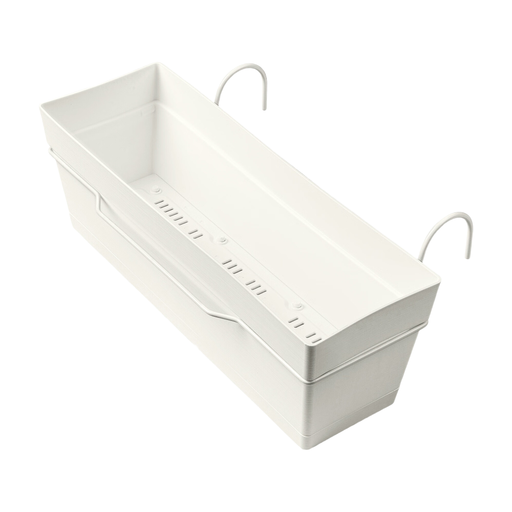
Why this choice suits this profile : Its 49 cm format and water reservoir make it a straightforward solution for beginners on a balcony, terrace or indoors.
The water reservoir reduces the risk of forgetting to water, while the recycled and recyclable material ensures that the focus goes beyond appearance alone.
Recycled and fully recyclable material, with stated resistance to frost and UV rays.
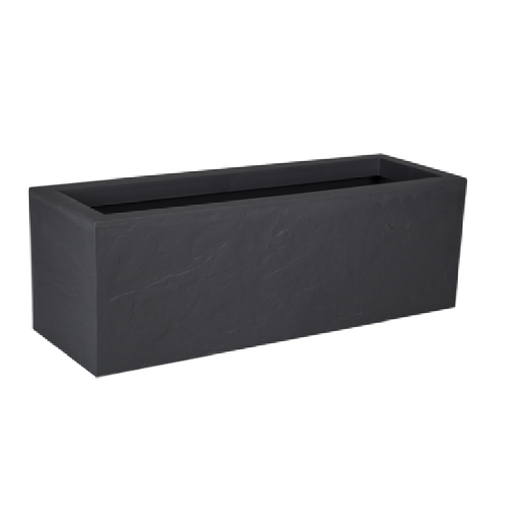
Why this choice suits this profile : Its generous capacity gives structure to a terrace or garden and can accommodate shrubs, small fruit trees or large plant arrangements.
The double wall, water-retention zone and pre-drilled holes ensure that style does not come at the expense of practicality.
98 L capacity, stone-effect finish, UV protection, frost resistance and 100% recyclable material, with Origine France Garantie certification stated.
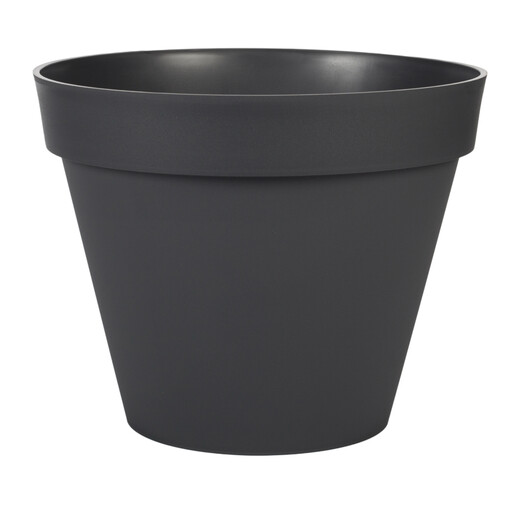
Why this choice suits this profile : This pot is well suited to regular planting and coordinated arrangements on a balcony, in an entrance hall, conservatory or terrace.
Its specifications detail UV protection, a water reservoir and a seven-year warranty in mainland France.
Stated French manufacturing, 100% recyclable polypropylene, 23 L capacity and UV protection.
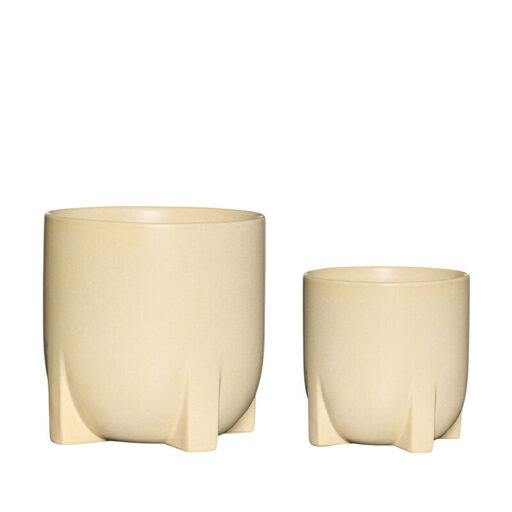
Why this choice suits this profile : The two graduated sizes are suitable for houseplants, succulents and herbs, whether placed on a shelf or windowsill.
The two-size set makes it easy to create a cohesive display, while the glazed ceramic provides a genuinely refined finish beyond a purely visual promise.
Two sizes, stated artisanal production, yellow finish and stated frost resistance.
We have selected a complete, real-time updated range of products that meet these demanding criteria and European safety standards.
Place each container on a level surface and check its stability before adding the potting soil. For a large pot, position it in its final location before filling it. If the pot is fitted with castors, lock them once it is in place.
Indoors, always use a saucer or drip tray if the container has a drainage hole. Outdoors, make sure the outlets are not blocked by leaves or growing medium. For a double-walled planter or a pot with a reservoir, follow the recommended water level and adjust watering according to the season, exposure and plant species.
Choose a format compatible with the permitted load, with a stable base and a sufficiently narrow profile to avoid obstructing the passageway. Models with a capacity of 20 to 25 L are suitable for many ornamental plants. A 98 L planter, by contrast, requires careful checks of the floor’s strength and the available space.
It can extend the interval between some waterings, but its effectiveness depends on the reservoir capacity, growing medium, exposure and the plant’s needs. It does not replace monitoring moisture levels or ensuring that drainage is correctly sized.
It depends on the manufacturer’s specifications and the plant. A UV-resistant and frost-resistant flower pot is designed to withstand these conditions more effectively, but water contained in the growing medium can also freeze and place additional pressure on the pot. Additional protection may therefore still be necessary during periods of severe cold.