Households that often dry full loads
If you can set aside space for an appliance, compare heat pump tumble dryers based on your typical load size, the dimensions, noise levels and how the condensed water is handled.


If you often dry full loads and have space set aside for an appliance, consider a heat pump tumble dryer. If you can only fit one appliance, compare the washing and drying capacities of a washer-dryer instead. If you plan to keep using an indoor drying rack, you could add a dehumidifier in a suitable room, but it won’t replace ventilation or fix a ventilation problem.
If you can set aside space for an appliance, compare heat pump tumble dryers based on your typical load size, the dimensions, noise levels and how the condensed water is handled.
A washer-dryer combines washing and drying in one machine. However, check its drying capacity separately: it may be lower than its washing capacity, which means you’ll need to reduce the load before drying.
First, choose a room with enough space and good ventilation or an extractor, as recommended by ADEME. A dehumidifier can complement this setup, but it won’t fix an ongoing problem with your home.
Consider this if: you have a room with enough space and good ventilation or an extractor, in line with ADEME’s recommendations.
Bear in mind: the damp laundry will stay in the room while it dries; keep air inlets and vents clear.
Consider this if: you often dry full loads, have a dedicated space and can manage the condensed water.
Bear in mind: the appliance takes up space and requires filter maintenance, as well as emptying the water tank or using a connection provided for by the model.
Consider this if: limited space means you need one machine to wash and dry your clothes.
Bear in mind: the maximum drying load may be smaller than the washing load; check both figures.
Consider this if: you use a drying rack in a properly ventilated room and can position the appliance without obstructing airflow.
Bear in mind: it uses electricity and collects water that needs emptying or draining; it won’t address the cause of persistent damp.
| Priority | What to check | Depending on your needs |
|---|---|---|
| Room and ventilation | If you use a drying rack, choose a room with enough space and good ventilation or an extractor, as recommended by ADEME. Keep air inlets and vents clear, whatever appliance you choose. | If I air-dry my laundry, I want to choose a suitable room without relying on an appliance to replace fresh air. |
| Loads and space | Compare the drying capacity with your usual loads and measure the space available. For a washer-dryer, check the washing and drying capacities separately. | I often dry full loads: can I fit a separate appliance? If I only have room for one machine, how much laundry can it actually dry? |
| Energy use | Compare the energy use per cycle of the drying appliances on the programmes you’re interested in. For a dehumidifier, check its power rating in W and how long you expect to run it: the power rating alone doesn’t tell you its total energy use. | I’ll use my appliance regularly, so I want to compare figures that reflect how I’ll use it, rather than relying on a single number on the product page. |
| Noise and placement | Check the dimensions, the noise level in dB(A) if listed, and the clearances specified in the manual. For a dehumidifier, also compare the room size with the area stated for the model. | If the appliance needs to run near a living area, I want to know where to put it and how much noise to expect on the setting I’ll use. |
| Water and maintenance | Check the tank size and how easy it is to access, as well as the requirements for continuous drainage if available. For a tumble dryer, check the maintenance instructions for the filters and condenser on the exact model. | I’d rather know how often I’ll need to empty the water and whether I can maintain the appliance where I plan to put it. |
| Persistent damp | If damp persists, or you suspect a leak or faulty ventilation, get the situation checked rather than treating a dehumidifier as a repair. | I want to tell the difference between damp caused by laundry and a problem with my home before buying another appliance. |
The appliance collects water, but it doesn’t restore the flow of fresh air. ADEME points out that air-drying laundry adds a lot of moisture indoors.
Keep air inlets and vents clear. If the problem persists or seems to be related to the condition of your home, ask your landlord, ADIL or a suitably qualified professional for advice.
With a washer-dryer, you may not be able to dry the entire load you’ve washed in one go. For example, Electrolux lists a 10 kg washing capacity and a 6 kg drying capacity for its EW9W1166RB model.
Compare both capacities with your usual loads, and check which programmes are available for the fabrics you wash.
The stated extraction rate alone doesn’t tell you how well a dehumidifier will work in your room. Noise, emptying the water and running time also matter when choosing one.
Consider the capacity in L/day and the conditions under which it was measured, the stated room size, power in W, noise level in dB(A), tank and drainage options.
Having to empty a tank and maintain filters can affect how you use an appliance, especially if it’s in a hard-to-reach spot.
Before buying, check how easy it is to reach the tank and filters, and the requirements for connecting a drainage hose, if the exact model supports one.
These specifications apply to the models mentioned, not to every appliance made by each brand.
The WQG2450SFR heat pump tumble dryer is an example of the specifications to compare for a separate appliance: Bosch lists a 9 kg capacity, a noise level of 64 dB(A) and a water drainage hose.
The PerfectCare 900 EW9W1166RB heat pump washer-dryer lets you compare two separate capacities: Electrolux lists 10 kg for washing and 6 kg for drying.
For the Extrême Dry Compact+ DH5260F0 dehumidifier, Rowenta lists an extraction rate of 16 L/day and says it can be used in spaces of up to 100 m³.
These models are for use alongside a drying rack. First choose a suitable room and maintain your home’s ventilation. This list isn’t a substitute for comparing tumble dryers or washer-dryers if you want to dry your laundry in an appliance.
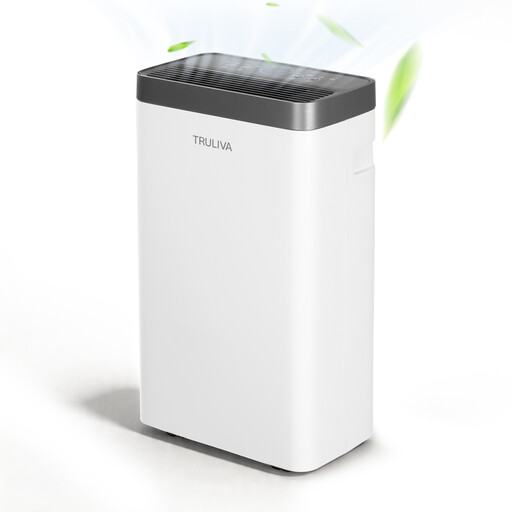 Image unavailable
Worth considering if you keep a drying rack in a ventilated room and are looking for an appliance advertised for drying laundry. The product title mentions a 24-hour timer and the option of continuous drainage. Before buying, check that the stated floor area suits the conditions in your room, and confirm the humidity settings.
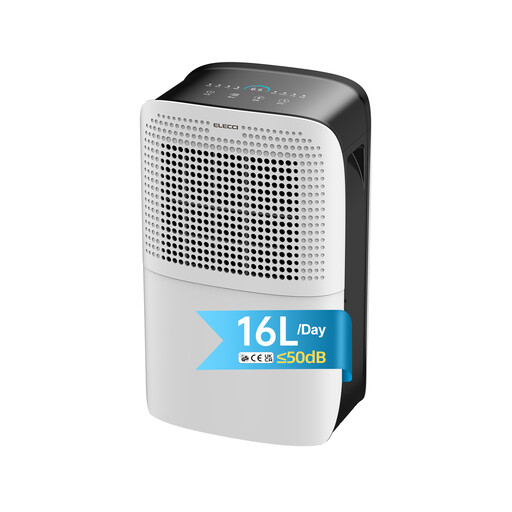 Image unavailable
If you use a drying rack in a ventilated room, compare the tank and continuous drainage option with the space you have available. The product title lists an extraction rate of 16 L/day, four modes and a room size of up to 32 m². Confirm the conditions for these figures and check the noise level if the appliance will run near a living area.
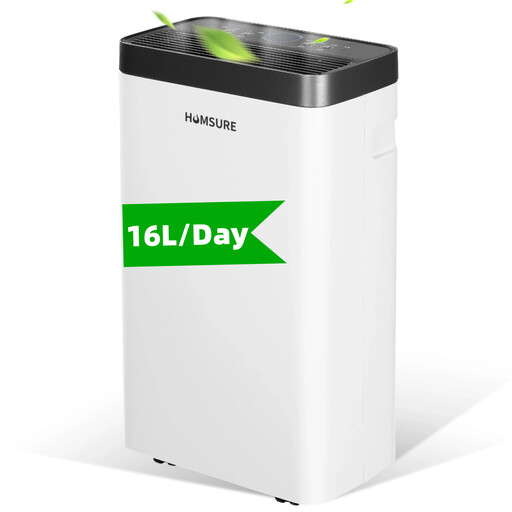 Image unavailable
Consider this for a ventilated room where you keep a drying rack, taking into account the 1.4 L tank and the space available for the appliance. The product title mentions a 24-hour timer. Confirm the modes available on this version and the conditions behind the stated 25 m² coverage.
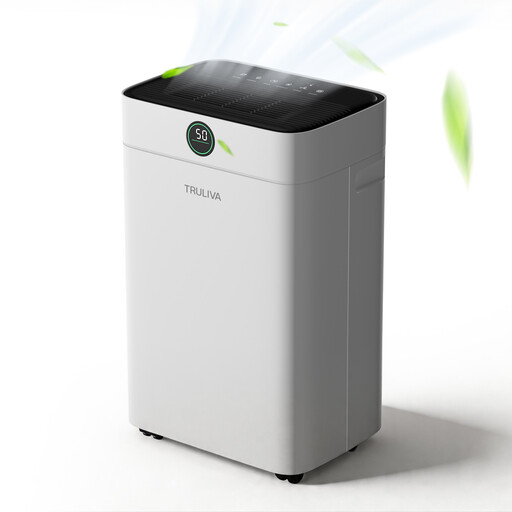 Image unavailable
Consider using it alongside a drying rack in a ventilated room if you can manage the tank or install the advertised drainage hose. The 25 L/day figure is based on stated conditions of 90 % relative humidity and 95 °F, so don’t assume it will extract the same amount in your room. Also check the suitable room size and noise level on the setting you plan to use.
No. It can complement rack drying, but it won’t refresh the air in place of ventilation. For this type of drying, ADEME recommends a room with enough space and good ventilation or an extractor. Keep air inlets and vents clear.
Check the room size, the stated extraction capacity and the conditions under which it was measured, the noise level in dB(A), power in W and how the water is managed. A tank and continuous drainage come with different installation and emptying requirements.
It’s worth comparing a separate tumble dryer if you often dry full loads and have room to install one. If space means you need a single machine, check the washer-dryer’s drying capacity. For example, Electrolux lists a 6 kg drying capacity and a 10 kg washing capacity for its EW9W1166RB model.
A heat pump condenser dryer doesn’t need the external vent used by a vented tumble dryer. You should still check where it can be installed, how it handles condensed water, its maintenance instructions and your home’s ventilation.
Don’t treat buying a dehumidifier as a diagnosis or a repair. If you suspect a leak or a ventilation problem, ask a suitably qualified professional to assess the situation. If you rent your home, report the problem to your landlord and contact ADIL for guidance on what to do next.