How do the options compare?
Start by working out where your laundry can realistically dry. If you need to hang it in a poorly ventilated room, consider installing a tumble dryer. If you’ll continue hanging it in a suitable space, look at the spin cycle first. A dehumidifier is an additional measure, not a substitute for ventilation.
| What matters to you |
What to check |
Who this is for |
| Reduce the amount of laundry hung in living spaces |
Space for a tumble dryer, a way to drain the condensed water, and the option to ventilate the room where you hang your washing. |
When I have to dry laundry in the living room, my main aim is not to leave a damp load there for a long time; around 36% of consumers would prioritise reducing the amount of laundry hung indoors. |
| Keep energy use under control |
The A–G energy label and kWh/100 cycles for tumble dryers with a similar capacity and intended use. |
If I do laundry frequently, I want to know how much energy a tumble dryer uses before relying on it regularly; around 29% of consumers would put this at the top of their list. |
| Keep up with your laundry routine |
Drying capacity in kg, programme times and the appliance’s dimensions for the space available. |
When loads come one after another, I need an appliance that can handle my usual amount of laundry without disrupting my routine; this would be the top priority for around 21% of consumers. |
| Look after your fabrics |
Care labels on your clothes and the programmes available on the model you’re considering. |
With wool, silk or other delicate items, I’d rather check what can go in the tumble dryer than focus only on getting the job done quickly; around 14% of consumers would prioritise caring for their fabrics. |
Appliances for different needs on Joybuy
These models represent three ways to approach indoor laundry drying: using a tumble dryer, continuing to hang washing after the spin cycle, or using a dehumidifier from time to time as an additional measure. Your choice will depend on the space available and how well ventilated your home is.
 Image unavailable
Hotpoint CHD84MWBSEE, 8 kg heat pump tumble dryer
Worth considering if you’d rather dry loads in a machine than leave them hanging in a living space. The stated capacity is 8 kg and the energy rating is C. Check the dimensions of the space where you plan to install it and the kWh/100 cycles for this model.
View on Joybuy
 Image unavailable
Comfee CD08EHP05W-HR, 8 kg heat pump tumble dryer
Another model to compare if you want to dry laundry in a machine, particularly if the choice of programmes matters for your loads. The product title states an 8 kg capacity and a D energy rating. Check the dimensions, noise level and kWh/100 cycles for this model before making your choice.
View on Joybuy
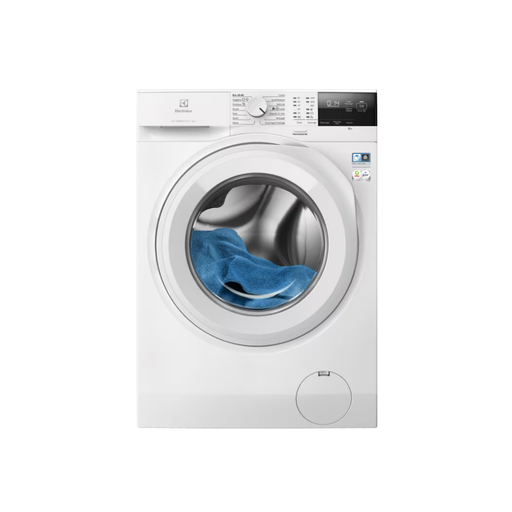 Image unavailable
Electrolux EW6FI4805AW, 8 kg washing machine, 1 400 tr/min
Worth considering if you’ll continue to hang your washing to dry in a suitable space and want to compare washing machine spin cycles. The stated capacity is 8 kg and the maximum speed is 1 400 tr/min; speed alone can’t tell you how much moisture will remain in each fabric after spinning.
View on Joybuy
 Image unavailable
VINO, 20 L dehumidifier with a 2.5 L tank
Only consider this as an additional measure when you need to hang laundry indoors temporarily. It doesn’t replace ventilation or airing the room. The product title mentions a 2.5 L tank and a Dry mode; check how it drains, its energy use and noise level before placing it in the room.
View on Joybuy
Frequently asked questions
Can a dehumidifier replace ventilation when drying laundry indoors?
No. A dehumidifier used as an additional measure doesn’t renew the air in your home. ADEME points out that mechanical ventilation continuously removes moisture and pollutants. Anses recommends drying laundry in a well-ventilated room when drying it outdoors isn’t possible. So, first check how well the room can be ventilated.
What should you compare on a tumble dryer’s energy label?
Compare the A–G rating and kWh/100 cycles for models with similar capacities and intended uses. The European Union’s delegated regulation provides for a revised label for household tumble dryers, so don’t compare an old A+++ rating directly with the new scale.
Is a faster spin cycle enough if I still use an airer?
No. Your laundry still needs to dry in a suitable place. Compare the spin settings allowed for your fabrics, then make sure you can hang the load in a well-ventilated room or one with an extractor, in line with Anses recommendations for drying laundry indoors.
How can you reduce the risk of clothes shrinking in a tumble dryer?
Follow the care label on each garment and choose a programme suited to the fabric. Electrolux support explains that an unsuitable fabric or programme can contribute to shrinkage. A programme described as suitable for delicate laundry doesn’t mean you can tumble dry an item whose care label says not to.
What should you do with an old washing machine or tumble dryer you’re replacing?
ADEME says that a large appliance can be handed to the retailer or delivery team when it’s replaced, or taken to a suitable collection point. Check the take-back options available with your purchase and local drop-off facilities.


