Residents who can eat standard cakes
Separate packaging helps you identify the cake being served at a meal or snack time. You should still check that its texture is suitable for the resident and that it fits their dietary requirements.


For a resident who can eat standard cakes, an individually wrapped soft cake makes it easier to identify the portion being served, provided you check the ingredients and serving guidance. If a particular texture has been prescribed, allergens need to be avoided or the resident’s diet is being individually monitored, the packaging and the word ‘soft’ do not replace the care home team’s guidance.
Separate packaging helps you identify the cake being served at a meal or snack time. You should still check that its texture is suitable for the resident and that it fits their dietary requirements.
Care teams and family members can compare the number of individually wrapped portions, the amount in each portion, the ingredients and allergens before offering a cake to a resident.
If a resident has difficulty chewing or swallowing, is losing weight or is malnourished, choosing a standard cake should be guided by the dietary and care instructions set out for them.
For a meal or snack in a care home, start with the resident’s dietary instructions before comparing the packaging and ingredients of different cakes.
| What to consider | What to check | Who it matters to |
|---|---|---|
| Texture | Check the resident’s texture and serving instructions. Don’t assume a cake is suitable just because it is described as ‘soft’. | I need to avoid serving a standard cake to a resident who needs a modified texture. Around 36% of consumers would put this precaution first. |
| Portion and packaging | Check the number of individually wrapped portions, the amount in each one and any storage instructions. | To organise serving, I need portions that are easy to identify, without assuming that every cake in the pack is individually wrapped. This would be a priority for around 29% of consumers. |
| Ingredients and dietary requirements | Compare the ingredients, allergens and any ‘may contain’ information with the resident’s dietary requirements. Check the nutritional information if their dietary plan calls for it. | If a resident follows a special diet, I need to be able to check the ingredients against their dietary instructions. Around 28% of consumers would make this compatibility their main consideration. |
| Place in the menu | If the resident is losing weight or is malnourished, ask the care team whether the cake can be included in their dietary plan. | When a resident’s diet is already being monitored, I want to offer them a treat without confusing it with nutritional care. This would come before other considerations for around 7% of consumers. |
The French National Authority for Health warns about the risks of food going down the wrong way. A cake’s name or marketing description doesn’t tell you whether it meets a resident’s prescribed texture requirements.
Before buying or serving a cake, check the resident’s texture instructions with the care home team. Don’t replace a suitable-texture food with a standard cake based on its name alone.
Plain, chocolate or fruit recipes can contain different ingredients and traces of allergens, even within the same brand.
Check the ingredients, allergens and any ‘may contain’ information on the packaging of the product you buy, then compare these with the resident’s dietary requirements.
French National Health Insurance describes malnutrition as a condition that requires appropriate care. A cake on its own cannot replace a resident’s nutritional support.
If a resident is eating very little, losing weight or known to be malnourished, ask the care home team whether a treat can be included in their dietary plan.
The number of cakes or the weight of the pack doesn’t guarantee that each one has its own wrapper. This matters when identifying portions at serving time.
Look for clear information about the number of individually wrapped portions and check the packaging before ordering for several residents.
The Petit LU Moelleux range includes a plain variety sold in separate wrappers. Be sure to distinguish it from LU’s other recipes.
Mirabelles and Galettes moelleuses offer two different packaging options to consider when planning how to serve them.
Chocolate mini marble cakes are another recipe to compare if the pack size suits the planned serving arrangements.
This chocolate option may be worth considering for a separately portioned snack, but only if its ingredients and texture meet the resident’s dietary requirements.
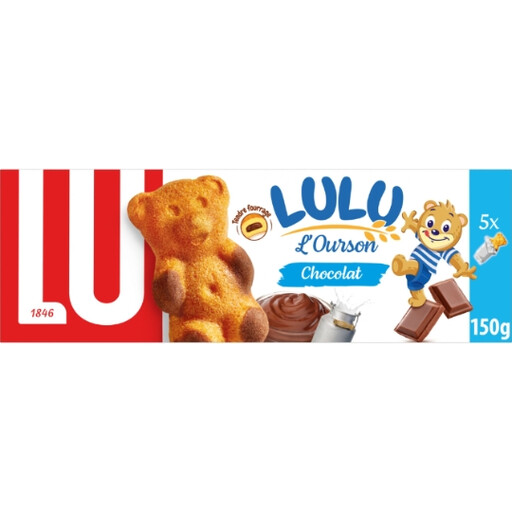 Image unavailable
Worth considering as a chocolate treat if the resident can eat this type of cake. Before serving, check the packaging for allergens, the number of individually wrapped portions and the amount per portion. Its soft texture alone doesn’t mean it’s suitable for someone with a prescribed texture requirement.
No. The word ‘soft’ alone doesn’t confirm that it’s suitable. The French National Authority for Health warns about the risk of food going down the wrong way. Check the prescribed texture and the care home team’s instructions before offering a standard cake.
Check that each portion is actually wrapped separately, then note the amount per portion and any storage instructions. A pack containing several small cakes doesn’t guarantee that each one has its own wrapper.
Read the ingredients, allergens and any ‘may contain’ information on the packaging of the product you’ve bought. Recipes mentioned here may include wheat, eggs, milk or soya, among other ingredients. The ingredients vary by product, so check them against the resident’s dietary requirements.
No. A cake cannot replace care for malnutrition. French National Health Insurance notes that nutritional needs should be assessed and that appropriate support may be needed. Ask the care home team whether the cake belongs in the resident’s dietary plan.