Families on the go
You’re preparing several snacks for the journey or days out and want to hand out portions without opening the whole pack.


For a day out without access to refrigeration, choose a soft cake in an individual packet or a biscuit that’s suitable for the journey according to its storage instructions. Save fresh pastries for eating soon after purchase if they need to be kept chilled. In every case, check the allergens, nutritional values per 100 g and the number of portions you’re likely to need.
You’re preparing several snacks for the journey or days out and want to hand out portions without opening the whole pack.
You compare ingredients, allergens and sugars before choosing snacks for several people.
You need to decide what to take when you can’t keep a chilled pastry refrigerated during the journey or at your holiday destination.
For a day spent travelling, start by checking the product’s storage instructions, then choose packaging that suits the number of snacks you’re planning to take.
Choose these: if you’d like to hand out soft cakes during your days out; St Michel madeleines are available in individual packets.
Bear in mind: follow the storage instructions. For the product listed by Auchan, this means keeping it away from heat and light.
Choose these: if you’d prefer a biscuit to a soft cake; Carrefour lists LU Petit Écolier Pocket in a box of 10 packets.
Check: the exact recipe, particularly the allergens in a chocolate biscuit.
Choose this: if you’re going to eat it soon after purchase and can follow its storage instructions.
Bear in mind: if it needs to be kept chilled, you’ll need suitable transport and must observe its use-by date.
| What to consider | What to check | Who is this for? |
|---|---|---|
| Snacks to take with you | Number of packets and amount per portion. | When several snacks need to fit in a bag, I want to hand them out without opening the whole pack. Around 33% of consumers would prioritise this need to transport and share snacks. |
| Ingredients and allergens | Ingredient list, highlighted allergens and any ‘may contain’ warnings for the recipe you choose. | If the snacks are for people with different dietary requirements, I need to check each recipe before buying. This would be the main consideration for around 27% of consumers. |
| Summer storage | Temperature instructions, use-by date or best-before date. | For a long day out without a fridge, I look for a product whose storage requirements are suitable for the journey. Around 20% of consumers would prioritise this first. |
| How much you’ll use | Number of portions and pack weight compared with the snacks you’re planning. | For a short break, I’d rather buy an amount we can actually eat than a pack that’s too large. For around 20% of consumers, choosing the right pack size would be their main concern. |
A packet protects one portion, but it doesn’t change the storage requirements of a fresh or chilled pastry.
Before a day on the road or at the beach, check the date and the product’s storage instructions. For food that needs to stay chilled, Anses recommends keeping transport time to a minimum and using an insulated bag, among other precautions.
Ingredients vary from one recipe to another, even within the same brand. DGCCRF reminds shoppers that allergens must be highlighted in the ingredient list.
Read the label for the flavour and pack size you’re planning to buy, and check for any ‘may contain’ warnings.
The ‘30% less sugar’ claim on a St Michel madeleine is based on the average sugar content of plain madeleines on the French market, not on all individually wrapped cakes.
To compare two products, check their nutritional values per 100 g, then consider how much you’re planning to serve.
Worth considering if you’re looking for biscuits in small packets: Carrefour lists LU Petit Écolier Pocket in a box of 10 packets, weighing 250 g.
Madeleines are available in individual packets, making them worth considering if you’d like to take soft cakes with you.
This retailer’s product listings include pocket biscuits and individually wrapped madeleines.
Worth considering if you’d like to add snacks to your grocery order.
An Auchan listing describes a St Michel pack of 32 madeleines in individual packets.
Worth checking if you’re choosing snacks from the products available during your grocery shop.
This selection includes cakes in portions, biscuits in packets and a dorayaki to share. For a summer day out, compare their packaging and storage instructions: not every item is necessarily individually wrapped.
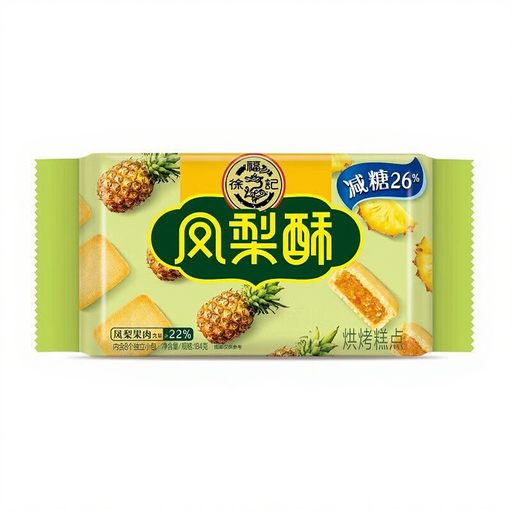 Image unavailable
The 8 individual packets make it easy to share this pineapple cake between several snack breaks. Store it in a cool, dry place, as instructed on the product, and check that the portion size suits your day out.
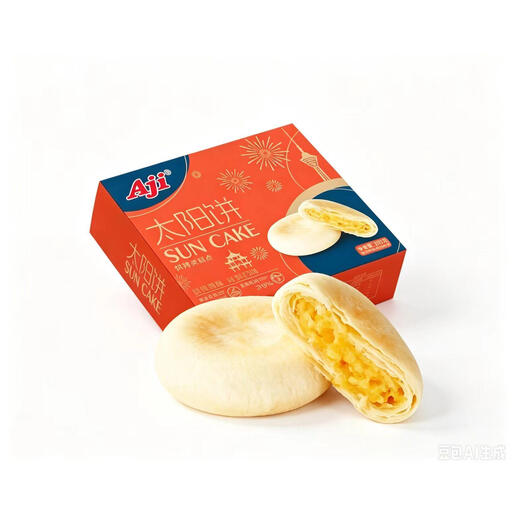 Image unavailable
The 6 individual packets listed can be shared during days out. The title says 108 g, while another description says 180 g: check the net weight on the packaging before choosing a pack size. Store in a cool, dry place.
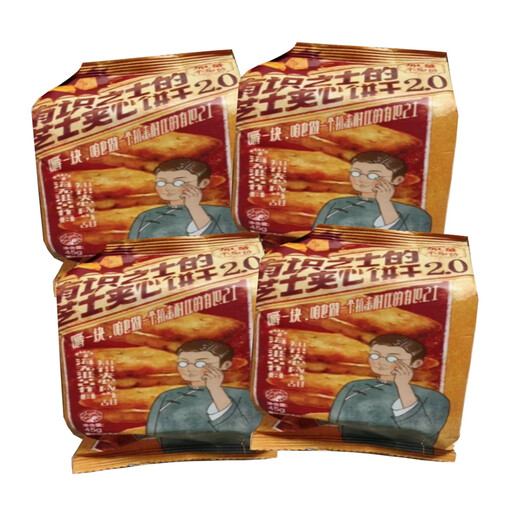 Image unavailable
These biscuits, rather than soft cakes, could be a good choice if you’d like to share four packets while you’re out and about. Each packet is listed as 45 g; check whether that’s the right amount for your snack break and store the product in a cool, dry place.
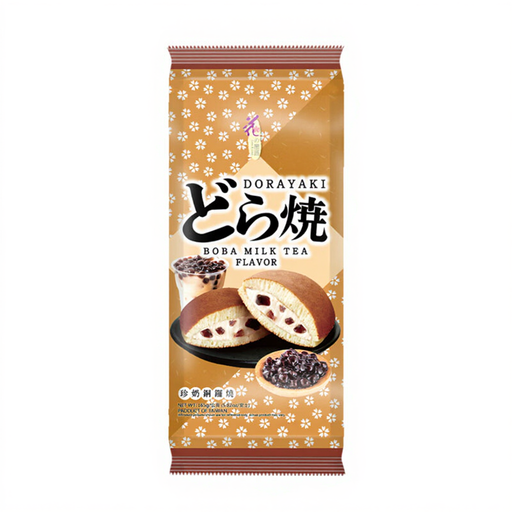 Image unavailable
This dorayaki could work as a sharing snack if the packaging suits your needs. The description lists 3 pieces but doesn’t say whether they’re individually wrapped; check what the ‘12 × 165 g’ format in the title refers to as well. The listed recipe contains wheat, egg and soya, and may contain traces of milk, peanuts, nuts and sesame. Store in a cool, dry place.
Check the ingredient list, allergens, quantity, date and storage instructions for the product you choose. DGCCRF reminds shoppers that allergens must be highlighted in the ingredient lists of prepacked foods.
Compare their nutritional values per 100 g, then consider how much you’re planning to eat. DGCCRF presents nutritional information on this basis; if a product claims to have less sugar, also check what it’s being compared with.
Not if its storage instructions require it to be kept chilled and you can’t do that. For foods that need to be kept cold, Anses recommends keeping transport time to a minimum, using an insulated bag and observing the use-by date.
No. Anses distinguishes between a best-before date, after which a product’s quality may change, and the use-by date for highly perishable foods. This distinction doesn’t mean you can ignore the storage instructions or stop checking the condition of the product.