Anyone having breakfast on their own
You want a portion that’s easy to open, with a recipe you enjoy, without having to open a large pack meant for sharing.


If you’re looking for a ready-to-eat portion for a weekend breakfast, consider individually wrapped bars rather than sugar-coated sweets: Larousse defines a dragée as a sweet coated in sugar. Then check the recipe and the contents of each pack, and read the ingredients, allergen information and nutritional values for the specific product you’re considering.
You want a portion that’s easy to open, with a recipe you enjoy, without having to open a large pack meant for sharing.
You’d rather compare ingredients and nutritional values, particularly sugars and fibre, than rely on the recipe name alone.
You need to check the exact variant: depending on the bar, the ingredients or allergen information may include wheat, milk, soya, peanuts or tree nuts.
For an individual breakfast treat, first distinguish sugar-coated sweets from bars, then check these three priorities on the specific product you’re considering.
| What to consider | What to check | Who is it for? |
|---|---|---|
| Portion size | Check the number of portions and what’s in each pack: an individual sachet may contain more than one bar. | If you want to eat without preparing or sharing anything at breakfast, the packaging comes first; around 33% of consumers prioritise this need for a convenient format. |
| Ingredients and allergens | Read the ingredients, listed allergens and nutritional values per 100 g and, if shown on the label, per portion. | If you need to avoid an ingredient or want to compare the ingredients in different recipes, the label becomes your first priority. This comes first for around 42% of consumers. |
| Recipe and flavour | Check the exact variant — fruit, chocolate, cereal or nuts — rather than inferring its ingredients from the range name alone. | For a weekend breakfast, you may simply be looking for a flavour and texture you enjoy; around 25% of consumers put this preference first. |
Larousse defines a dragée as a sweet coated in sugar; it isn’t an individually wrapped bar. Searching for both terms together could therefore point you towards a different product from the one you had in mind for breakfast.
Check the product category on the packaging before comparing recipes.
A label such as “Protein”, or a prominently displayed flavour, doesn’t tell you all the ingredients or allergens in a bar.
Check the ingredients and allergen information for the exact product, as well as the quantity that makes up one portion.
According to Santé publique France, producers choose whether to display the Nutri-Score. If it appears on a bar, it doesn’t replace the ingredients list or the information you need to avoid an allergen.
Use it as additional information and compare nutritional values on the same basis, for example per 100 g.
These examples of product ranges can help you spot different recipes and formats; always check the ingredients for each specific product.
A range of cereal bars in Carrefour’s breakfast aisle, including chocolate and fruit recipes.
A range that includes bars and bites in different recipes, including varieties with nuts.
Bars available in various recipes, including Crunchy, Sweet & Salty Nut and Protein.
A cereal bar brand with options including fruit, chocolate and hazelnut recipes.
Auchan lists a Lion breakfast bar product with six 25 g portions in individual sachets.
These fruit, cereal and protein-positioned bars are worth considering if you’re buying for yourself. They aren’t sugar-coated sweets, and you should check the packaging to make sure it suits the portion you want to open for breakfast.
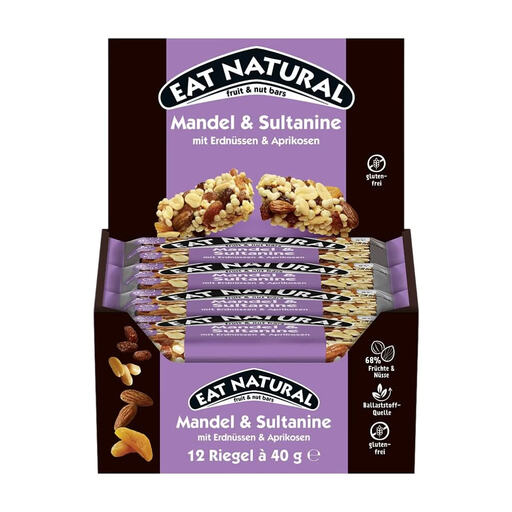 Image unavailable
Worth considering if you’re looking for a bar with raisins, apricots and almonds as an individual portion. This product is described as individually wrapped; it also contains peanuts. If you’re comparing its nutritional values, check that they’re given for the 40 g portion and not just per 100 g.
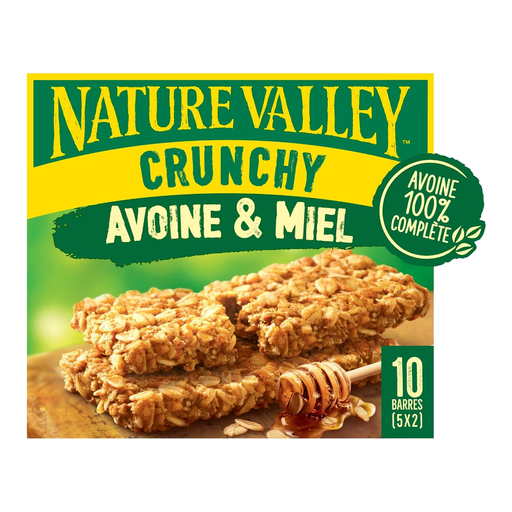 Image unavailable
If you prefer oats and honey, check whether the portion suits a breakfast on your own: each individual sachet is described as containing two bars. Nutritional information is given for a 42 g portion. Check the label if you need to avoid soya, wheat, peanuts or tree nuts, as their possible presence is noted.
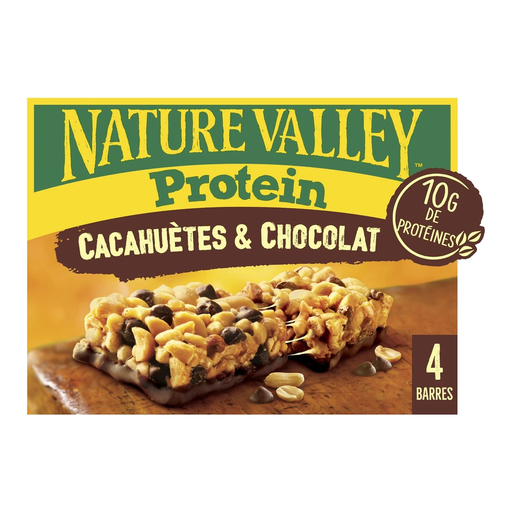 Image unavailable
This individually wrapped bar may suit anyone who wants to compare nutritional information per portion before choosing. The recipe is described as containing peanuts, soya and milk. Its positioning as a protein snack doesn’t necessarily mean it’s right for what you want to eat for breakfast.
 Image unavailable
If you like the blueberry recipe, this ready-to-eat bar is listed in a 68 g size. Before choosing it for yourself, check how the bars are wrapped. The ingredients described include oats, barley, soya and almonds; check the allergen declaration for this product.
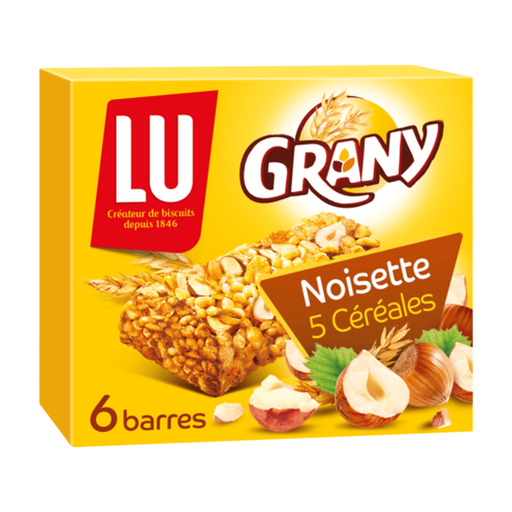 Image unavailable
This hazelnut cereal bar may appeal if you enjoy that flavour, but check the number of portions and how they’re wrapped before counting on it as an individual serving. It contains hazelnuts and cereals containing gluten; the product also notes the possible presence of milk and other tree nuts. When comparing its ingredients, bear in mind that the nutritional values provided are per 100 g.
They’re two different categories: Larousse describes a dragée as an almond, hazelnut or seed centre coated in sugar. If you’re looking for a ready-to-eat bar, check the product description and packaging to confirm.
Read the information for the exact variant before choosing it. The French Directorate-General for Competition Policy, Consumer Affairs and Fraud Control states that allergenic ingredients must be highlighted on food labels; don’t rely on the range name or flavour alone.
No. Santé publique France explains that displaying it is voluntary. If it’s shown, also check the ingredients, allergens, portion size and nutritional values on a comparable basis.