Start by considering how you’ll use the product in your recipe. A soft madeleine works well as a ready-to-serve portion, while a plain or filled biscuit calls for a closer look at its texture and flavour before you add it to a recipe. Individually wrapped portions keep biscuits separate, but they don’t tell you about allergens or nutritional values. According to Public Health France, displaying the Nutri-Score is voluntary in France.
Who are these formats for?
Anyone serving individual portions
If you’re preparing several individual desserts or opening the pack a little at a time, separate sachets mean you don’t have to expose every portion each time you use one. St Michel describes this packaging as a way to keep its madeleines fresher for longer.
Anyone who pays close attention to ingredients
If you’re adding a biscuit to a recipe or serving it to others, compare the ingredients, nutritional information and allergens for the exact product. The French Ministry of the Economy states that allergens must be highlighted on the labels of prepacked foods.
Anyone looking for a filled biscuit to take away
A ready-to-eat filled portion serves a different purpose from a plain biscuit intended for a dessert base. Check that its flavour and filling are suitable if you’d also like to use it in baking.
What should you check?
First decide whether you’ll serve the product as it is or use it in a recipe, then check its packaging and label.
| What to check |
Things to look for |
Who it matters to |
| Separate portions |
Look for an explicit mention of individual sachets and check the number of biscuits. |
If you use a few portions at a time, you’ll want to leave the rest wrapped until you’re ready to serve them. Around 33% of consumers prioritise this type of portioning. |
| Texture and how it works in a recipe |
Check whether the product is soft, crisp or filled, and note its flavour. |
For a crumb base or decoration, you’ll need to know whether the texture and flavour will work in your recipe. Around 27% of consumers prioritise this culinary suitability. |
| Nutritional information |
Compare sugars and fat in particular, both per 100 g and per portion; check the Nutri-Score if one is shown. |
If you’re comparing several biscuit recipes, individual wrapping alone won’t tell you how their nutritional values differ. Around 20% of consumers put this comparison first. |
| Ingredients and allergens |
Read the ingredients list and check the allergens highlighted on the packaging of the exact product. |
Before serving a dessert to someone with dietary restrictions, you’ll need to know the ingredients in each product. Around 20% of consumers put this first. |
Mistakes to avoid
-
Assuming all individually wrapped biscuits work in the same recipes
A soft madeleine, a plain biscuit and a filled biscuit each bring a different texture and flavour to a recipe.
Decide whether you need a portion to serve, a decoration or a biscuit to crumble, then check that the product you choose is suitable.
-
Relying on the Nutri-Score alone
According to Public Health France, this logo is displayed voluntarily in France, so its absence alone doesn’t tell you whether a biscuit is a good choice. Any comparative claim about sugars should also be read alongside its basis for comparison.
Check the nutritional values and ingredients for the exact product, whether or not it displays the logo.
-
Overlooking allergens because the biscuits are individually wrapped
Individual sachets don’t change the ingredients in the biscuit. Depending on the product, the Carrefour and Joybuy listings cited for St Michel and Franzzi products mention wheat, eggs, milk or soya, among other allergens.
Before serving the product, check the allergens highlighted on its own packaging.
Brands to know
St Michel
The brand offers individually wrapped madeleines, which are worth considering for a soft dessert that’s ready to serve, rather than as an automatic substitute for a plain biscuit.
- St Michel describes its madeleines as individually wrapped; Auchan also lists a pack of 40 madeleines in separate sachets.
- Check the ingredients for the version you choose: the Carrefour listing for a St Michel madeleine mentions wheat and eggs, among other ingredients.
LU
The Prince Pocket product listed by Joybuy is a chocolate-filled biscuit, so it serves a different purpose from a soft madeleine.
- The Prince Pocket product name specifies a pack size of 10 × 40 g.
- Check the packaging of the exact product to see whether each portion is wrapped separately and which allergens it contains.
BN
BN offers several ranges of biscuits for a snack, including filled varieties and Mini BN.
- These ranges offer different formats and flavours to consider, depending on the dessert you’re planning.
- The fact that a range appears in the BN catalogue doesn’t confirm that every product is individually wrapped.
Marque Repère / E.Leclerc
The E.Leclerc catalogue features various own-brand biscuit categories, including sponge fingers, petit-beurre biscuits and Breton shortbread.
- These categories make it easier to look for the texture your recipe calls for.
- Check the packaging for the specific product before counting on individual portions.
Portion-packed biscuits on Joybuy
This selection includes filled biscuits and an assortment in separate portions. If you’re using them in your home baking, choose a flavour and texture that suit your recipe rather than relying on the sachet format alone.
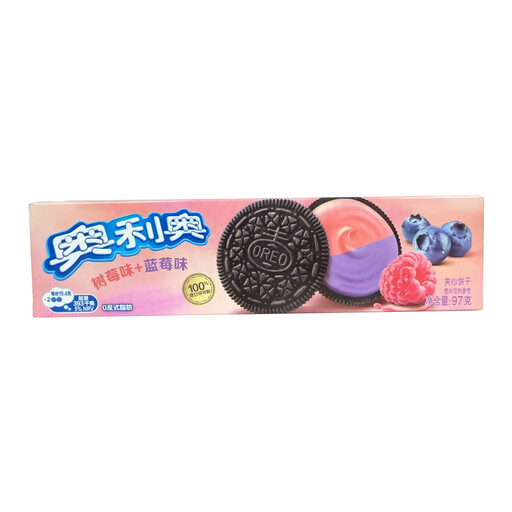 Image unavailable
Oreo Raspberry & Blueberry, 97 g, 2 sachets
Consider these for serving as separate portions or for a recipe that works with raspberry and blueberry flavours. The stated pack weight is 97 g and it contains two individual sachets. Check the ingredients on the packaging before adding them to a recipe.
View on Joybuy
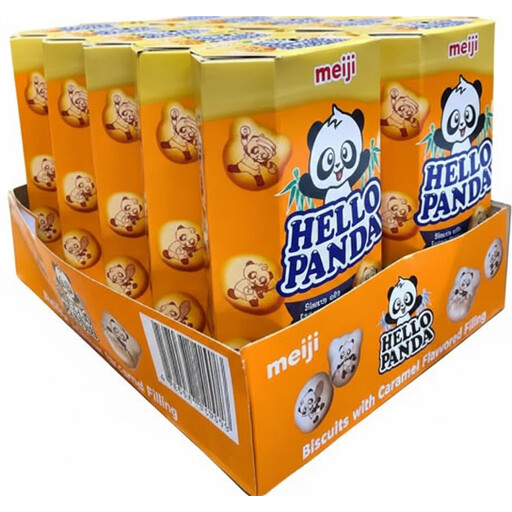 Image unavailable
Meiji Hello Panda, caramel-filled biscuits
Consider these if caramel suits the flavour you’re looking for in your dessert. The biscuits have a filling, so check the number of sachets and the pack weight on the listed product before planning your portions.
View on Joybuy
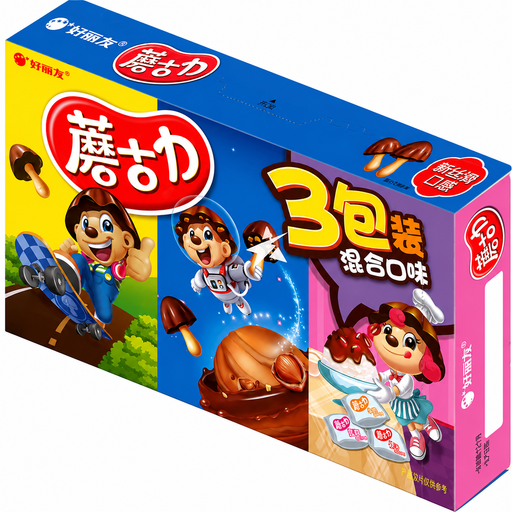 Image unavailable
Orion, assorted biscuits, 3 × 48 g
Consider this assortment when you want to serve several flavours separately, rather than for a recipe that needs a consistent taste. The assortment is listed as including red bean, hazelnut and chocolate, and milk chocolate varieties, split across three 48 g sachets. Read the ingredients and allergens for each variety before serving.
View on Joybuy
Frequently asked questions
Is the Nutri-Score compulsory on biscuits sold in France?
No. According to Public Health France, producers can display the Nutri-Score voluntarily. To compare two products, check their ingredients and nutritional values too; the absence of the logo isn’t enough to tell them apart.
What should you check if serving a biscuit to someone with an allergy?
Read the ingredients list and check the allergens highlighted on the packaging of the exact product. The French Ministry of the Economy states that allergens must be listed and highlighted on prepacked foods; separate sachets don’t remove the need to check.
Can an individually wrapped madeleine replace a plain biscuit in a recipe?
Not if the recipe relies on the biscuit’s dry texture. A madeleine is soft, so if you’re making a crumb base or a recipe where the texture matters, check what the recipe calls for and try a small amount first.
How should you store biscuits in individual sachets?
Follow the storage instructions and check the date on the packaging of the product you’ve bought. Keep each sachet sealed until you’re ready to use it if you plan to serve the portions at different times.


