Travellers without kitchen equipment
If you can’t drain the tuna in your room or at the breakfast buffet, look for a tin labelled ‘ready-drained’ or ‘no draining required’. Check the opening mechanism on the packaging too.


For breakfast at the hotel, choose a tin with a drained tuna weight that matches what you plan to eat in one sitting. If you don’t have access to a sink or colander, look for one labelled ‘ready-drained’ or ‘no draining required’. Check the opening mechanism, recipe and storage instructions after opening separately.
If you can’t drain the tuna in your room or at the breakfast buffet, look for a tin labelled ‘ready-drained’ or ‘no draining required’. Check the opening mechanism on the packaging too.
The drained weight helps you choose how much fish you want to eat, rather than relying on the total weight of the tin and its liquid.
Compare the ingredients, salt content and nutritional values for the exact product. If the species, certification or fishing method matters to you, check the information shown on that tin.
For this meal, start with how much you’ll eat, then check whether you can open and use the tin with the equipment you have available.
| What to consider | What to check | Who it matters to |
|---|---|---|
| A portion with no leftovers | Drained net weight in grams and instructions for after opening. | I want to finish the tin at breakfast so I don’t have opened tuna to store in my room. Around 31% of consumers prioritise a portion with no leftovers. |
| Easy to use without a sink | Look for ‘ready-drained’ or ‘no draining required’, then check the opening mechanism shown on the tin. | Without a colander to hand, I want to serve the tuna without having to pour away its liquid. Ease of use comes first for around 31% of consumers. |
| Recipe and label | Ingredients, fish allergen, fat and salt per 100 g. | I prefer to choose my recipe by reading what it contains, particularly its preserving liquid and salt content. Around 23% of consumers put ingredients at the top of their list of priorities. |
| Fishing information | Species and any certification or fishing-method claims shown on the exact product. | Once I’ve found a format that suits my meal, I want to be able to compare the fishing information. This is the top priority for around 15% of consumers. |
For tuna in liquid, the two weights can differ: a 140 g Petit Navire product lists 98 g drained weight.
If you’re choosing a portion to eat in one sitting, look for the drained net weight on the tin.
Storage instructions after opening vary by product and may require refrigeration and prompt consumption.
If you don’t have access to a suitable fridge, choose a portion you can finish with your meal. Otherwise, follow the tin’s instructions for transferring and storing the leftovers.
These claims don’t mean the same thing: the recipe, whether the tuna is drained before serving and the opening mechanism are three separate considerations.
Before you set off, check each one on the product you’re buying, including whether it has a ring pull or requires a tin opener.
A certification or claim such as ‘FAD-free’ applies to the specific product that carries it, not necessarily to other tins from the same brand.
Read the claim on the product you’ve chosen and make sure its recipe and format suit your meal too.
The products reviewed include several individual tins of tuna in water, including a 120 g tin described by Carrefour as ‘ready-drained’.
Auchan describes a 140 g tin of solid tuna in water as ready to use without draining.
Carrefour lists a 140 g net drained product of solid tuna in water.
The product reviewed is a 140 g tin of yellowfin tuna slices in water.
The product reviewed at Lidl is tuna in sunflower oil carrying the MSC label.
These tins of tuna let you compare recipes in water, brine and oil for breakfast. Choose based on how much you plan to eat, and check the draining and opening details on the exact tin.
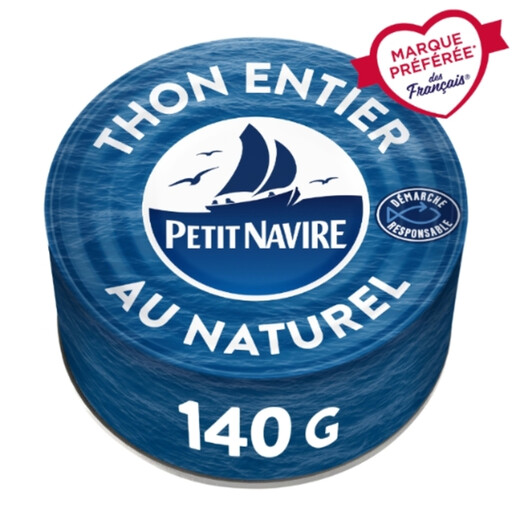 Image unavailable
To help you choose how much to eat at breakfast, this product lists 98 g of drained tuna in a 140 g tin.
The listed ingredients are tuna, water and salt. Check that you’ll be able to drain and open the tin with the equipment available.
After opening, transfer any leftovers to a non-metallic container, refrigerate and consume within 24 hours.
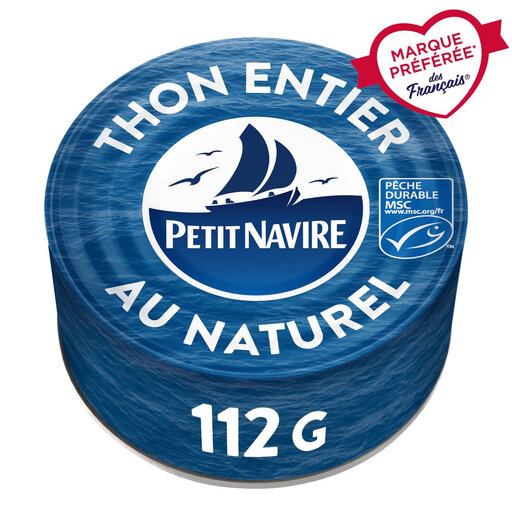 Image unavailable
If you want to know how much fish you’ll have for this meal, this tin lists 112 g drained weight from 160 g total.
This product carries the MSC label. Check the tin to see whether it needs draining and how it opens.
After opening, refrigerate any leftovers and consume within two days, following the instructions for this product.
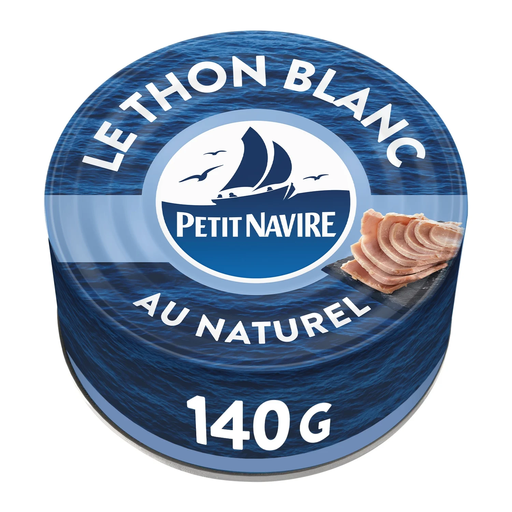 Image unavailable
This individual tin is useful for comparing tuna recipes made with tuna, water and salt for breakfast.
Check its drained net weight if you need to finish a specific portion, as well as its opening mechanism. The product listing notes that small bones may remain.
After opening, transfer any leftovers to a sealed container, refrigerate and consume within 24 hours.
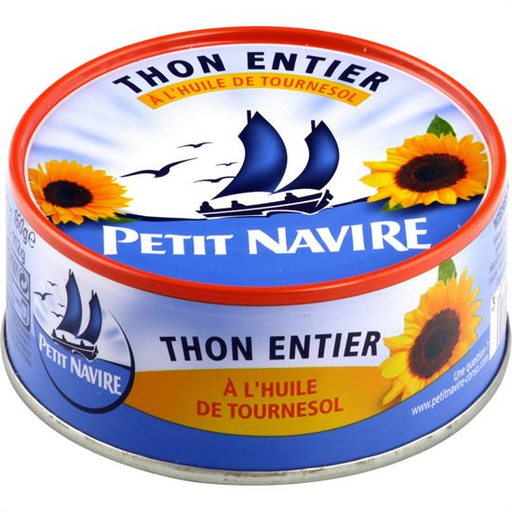 Image unavailable
Worth considering if you’d prefer tuna in oil rather than in water for this meal.
The product listing gives tuna, sunflower oil and salt as ingredients, as well as 10 g of fat per 100 g. Check the drained net weight and opening mechanism on the tin.
If you don’t finish the tin, refrigerate any leftovers in a suitable container and consume within two days, following the instructions for this product.
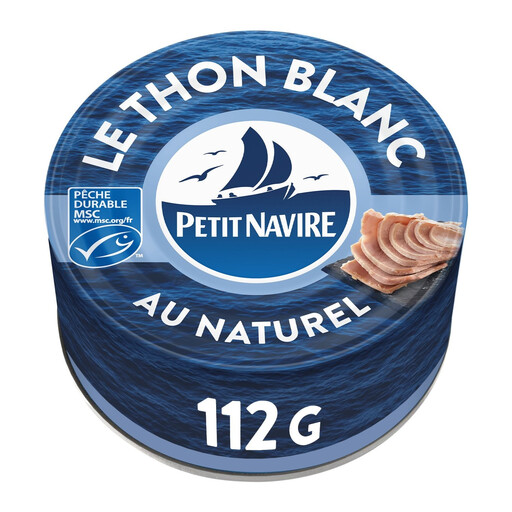 Image unavailable
This tuna in water may suit anyone looking for an individual tin, provided you check that the quantity is right for your meal.
The product title gives a weight of 112 g but doesn’t specify whether this is the total or drained weight. The listed ingredients are white tuna, water and salt. Check the opening mechanism and whether it needs draining too.
After opening, refrigerate any leftovers and consume within two days, following the instructions for this product.
Compare the drained net weight when the tuna is packed in liquid: this tells you how much tuna there is once drained. The DGCCRF says this weight must appear on the label in such cases. For example, a 140 g Petit Navire product lists 98 g drained weight.
Follow the storage instructions for the opened tin and use a suitable fridge if required. The 140 g Petit Navire product featured here says to transfer any leftovers to a non-metallic container, refrigerate and consume within 24 hours. If you can’t meet these requirements, choose a portion you can finish with your meal.
No. Tuna is a fish, so the tuna products covered here aren’t suitable for anyone who needs to avoid this allergen. Always check the ingredients list and highlighted allergens on the label of the product you choose.
Check the product name, ingredients, nutritional information and net quantity for the product you’ve chosen. The DGCCRF says that for a product packed in liquid, the label must also show the drained net weight. This is a useful guide when planning your portion for breakfast.