People who plan their dessert one portion at a time
If you count one ice lolly as a portion, check the number of lollies in the pack, the amount in each one and the nutritional information you need to assess that portion.


When choosing an individual ice lolly as part of a weight-management plan, start by checking the amount in each lolly and its nutritional information, rather than relying on the word ‘mini’. Compare the energy, sugars and fat in the portion you plan to eat, then check the ingredients and allergens for the flavour you’ve chosen. A smaller size doesn’t tell you everything about the recipe.
If you count one ice lolly as a portion, check the number of lollies in the pack, the amount in each one and the nutritional information you need to assess that portion.
A mini ice lolly can help you set a limit for your planned dessert. When comparing recipes, also look at the energy, sugars and fat in the portion you’ll eat. Don’t assume that a mini size means a particular nutritional profile.
Ingredients can vary between products and sometimes between flavours in the same multipack. Check the allergens and ‘may contain’ statements on the packaging of the product you choose.
Start by finding out how much is in one lolly, then compare the recipes and choose a pack size that suits the number of desserts you have planned.
| What to consider | What to check | Who it matters to |
|---|---|---|
| Energy per lolly | The amount in one lolly and the energy per 100 g or 100 ml, using the unit shown for the product. | If I’m planning to have one ice lolly for dessert, I want to know how much energy is in that lolly rather than judge it by its appearance; around 42% of consumers would prioritise this calculation. |
| Recipe and allergens | Sugars, fat, ingredients list and allergen statements for the flavour you’ve chosen. | If certain ingredients matter to me, I need to be able to check the exact recipe before I buy; around 33% of consumers would put the ingredients at the top of their list. |
| Number of portions | Number of lollies in the box and net quantity; for a multipack, check whether the lollies are all the same. | If I want to plan my desserts without buying a box with more lollies than I need, pack size comes first; around 25% of consumers would prioritise this practical consideration. |
A small size tells you about the portion, not what’s in it. Carrefour EXTRA’s product listing gives a weight of 32 g per lolly and 340 kcal per 100 g, which works out at around 109 kcal per lolly.
Always match the nutritional information to the amount you plan to eat, then compare the recipes you’re interested in.
This lets you compare recipes, but two lollies of different weights don’t necessarily represent the same amount of food. The DGCCRF states that nutritional information is given per 100 g or 100 ml.
Check the weight or volume of one lolly too, before working out its nutritional value.
The Carrefour EXTRA and Magnum Mini products mentioned here include ingredients or allergen statements that you’ll need to check for the flavour you choose.
Read the ingredients list and ‘may contain’ statements on the packaging of the multipack you’ve chosen.
The packs mentioned contain different numbers of lollies. A box of mini lollies provides several desserts, even if each one is small.
Compare the number of lollies with how you plan to use them, and check the information for each recipe.
These examples can help you identify pack sizes and information to compare; they aren’t a ranking of brands.
The Magnum Mini multipack listed by Auchan contains six 55 ml lollies, weighing 254 g in total.
The Carrefour EXTRA multipack mentioned contains eight mini lollies, each weighing 32 g.
The Auchan multipack mentioned contains eight mini lollies, weighing 258 g in total.
ALDI France lists MUCCI mini lollies in a box of twelve, weighing 429 g in total.
This selection includes water ices, fruit ice lollies and a Magnum Mini ice-cream multipack. Compare the amount in each lolly and the recipe for your chosen flavour: with a multipack, you can’t always work out the exact amount in each lolly.
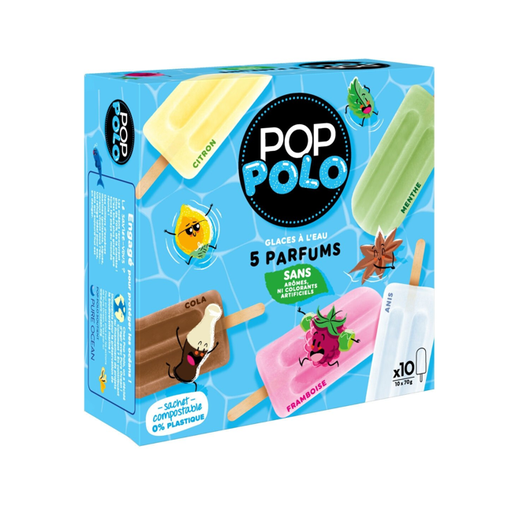 Image unavailable
An assortment to consider if you’d like to choose your dessert from a range of flavours while keeping track of the number of lollies. To compare their nutritional content, check the information for the flavour you plan to have.
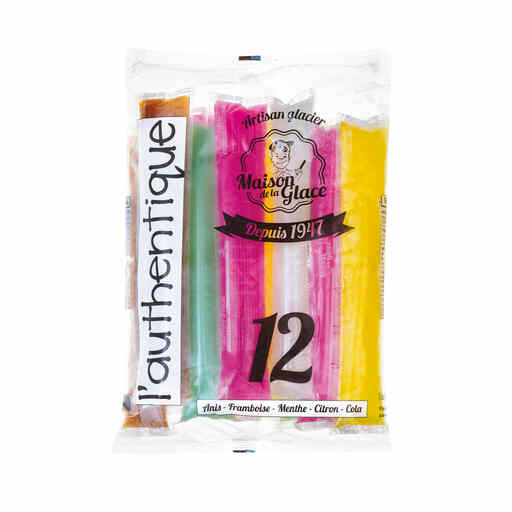 Image unavailable
The pack of twelve is a good option if you want to plan several individual desserts. Don’t use the total weight to work out how much is in each lolly: check the packaging, along with the allergen information.
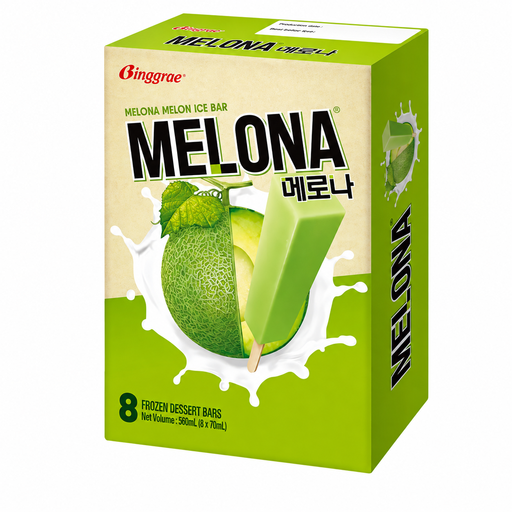 Image unavailable
The 70 ml volume per lolly makes it easy to define your portion before comparing nutritional information given per 100 ml. This product contains milk; also read the warning about the E102 colour if the ice lolly is for a child.
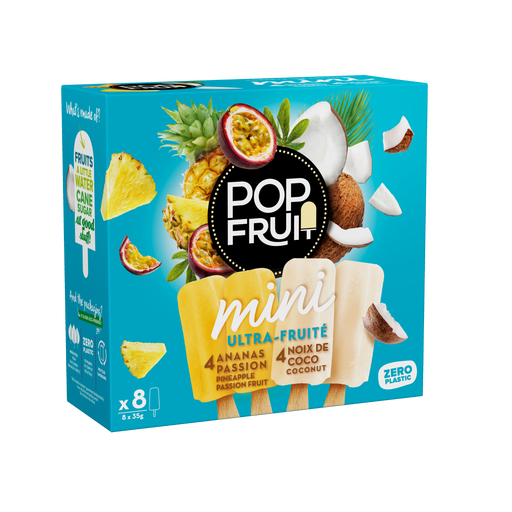 Image unavailable
The mini size can make it easier to plan an individual dessert. To assess your chosen portion, check the weight of each lolly on the packaging rather than assuming that the 280 g is divided equally between them. Also check for allergen ‘may contain’ statements.
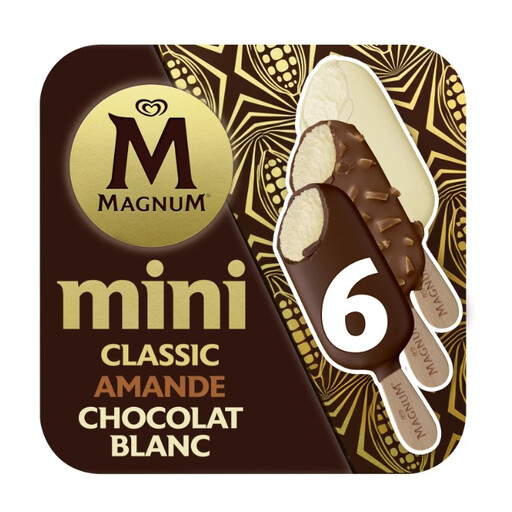 Image unavailable
This assortment lets you choose an ice lolly from three recipes. The value of 248 kcal per 100 g doesn’t tell you how much energy is in the lolly you choose: check its weight and the information for that flavour. It contains milk and may contain nuts, including almonds and pistachios.
Multiply the kcal per 100 g by the weight of one lolly in grams, then divide by 100. For a 32 g Carrefour EXTRA mini lolly labelled as 340 kcal per 100 g, that works out at around 109 kcal per lolly. If only the total weight of a multipack is given, the average weight you calculate won’t tell you the weight of each flavour.
No. According to the DGCCRF, Nutri-Score is a voluntary labelling scheme in France. Whether or not it appears on the box, check the nutritional information and how much is in the lolly you plan to eat.
Check the number of lollies, net quantity, ingredients, allergens and nutritional information. If the flavours or sizes vary, check the details for the lolly you’ve chosen before calculating its value per portion.
Follow the instructions on the packaging of the product you’ve bought. The instructions for the Magnum Mini assortment shown on Joybuy say to store it at −18 °C or below and not to refreeze it after thawing.