To choose an individual frozen dessert that’s easier to chew, check its texture once it has been prepared or served. A portion described as soft or creamy may still contain a shell, pieces or a filling that requires more chewing. Also check whether the person can tolerate hot or cold foods, and look at the ingredients in the exact recipe. If they have dysphagia or have been prescribed a particular texture, ask their healthcare professional for advice rather than relying on the dessert’s name.
Who are these criteria for?
People looking for a soft texture every day
If dry or very crunchy desserts are difficult to chew, check the texture of the whole recipe, including the topping or filling. The ARC Foundation mentions soft, mousse-like or puréed textures in the specific context of cancer treatment. This advice isn’t enough to choose a texture independently if someone has a swallowing difficulty.
Shoppers looking for easy-to-serve portions
If you’re serving one or two people without needing to cut a cake, check the number of units and the amount per portion. An individual format makes serving easier, but on its own it says nothing about how much effort the dessert takes to chew.
People who need to check ingredients
If there’s an ingredient you need to avoid, check the packaging of the exact product before serving it. For pre-packed foods sold in France, the DGCCRF says allergens must be highlighted in the ingredients list.
What should you check before buying?
Start with the texture when served, then check the portion size, ingredients and preparation instructions. The importance of each factor will vary depending on the meal and the person eating the dessert.
| Criteria |
What to check |
Who it matters to |
| Texture when eating |
Look out for hard pieces, biscuits, shells and chunks. Also read the instructions, as these can affect the texture after preparation. |
If chewing takes effort, I look for a recipe that’s soft all the way through, not just one with a soft centre. Around 36% of consumers would prioritise this texture requirement. |
| Portion and serving |
Compare the number of units and their size, and check whether you can prepare just one. |
For a small meal, I prefer to serve a portion without cutting anything or preparing the whole pack. This would be the main need for around 29% of consumers. |
| Ingredients and nutritional information |
Check the ingredients and allergens on the exact pack. Compare the nutritional information per 100 g and, if shown on the packaging, per portion. |
If I need to avoid an ingredient or compare two recipes, I need to check their ingredients before choosing. Around 21% of consumers would put this check first. |
| Preparation and storage |
Check whether the dessert should be served frozen or needs reheating, along with any resting times and storage instructions. |
When time is short, I want to be able to follow the instructions without compromising storage. Around 14% of consumers would prioritise this practical aspect. |
Common mistakes to avoid
-
Assuming an individual portion is easy to chew
The format mainly makes serving easier. Carrefour and Auchan also stock desserts with shells, meringue or toppings, which may have a different texture from the centre.
Before buying, check the description for biscuits, nuts, pieces and other ingredients that may take more effort to chew.
-
Relying on the word ‘soft’ alone
A soft texture doesn’t tell you everything about the ingredients or nutritional information. Recipes vary, even among desserts that look similar.
Check the ingredients list, highlighted allergens and nutritional information on the packaging you’re buying.
-
Overlooking preparation and the cold chain
The texture you’re looking for also depends on how the dessert is served and, if it needs reheating, on following the instructions for that specific product. Anses recommends keeping the time spent transporting frozen food to a minimum and not refreezing food once it has thawed.
Put the dessert back in the freezer soon after shopping, then follow the preparation and storage instructions on its packaging.
Retailers to compare recipes
Picard
Picard offers individual frozen pastries, including a 90 g chocolate and caramel fondant.
- The product page for this fondant gives details about preparation and ingredients, both useful when checking the portion before buying.
- This recipe contains egg, milk, soya and gluten, among other ingredients, and may contain nuts. Its name doesn’t guarantee that the texture is suitable for someone with a swallowing difficulty.
Carrefour
Carrefour’s individual pastry range includes fondants and frozen desserts.
- These formats make it possible to compare an option that needs reheating with one served cold.
- Check the texture of each recipe individually: biscuits, meringue or toppings can affect how much effort it takes to chew.
Auchan
Auchan’s frozen food range includes a two-piece chocolate fondant with a molten centre, as well as other types of dessert.
- The pack of two is worth considering if you’d like to serve separate portions.
- Other desserts in the range, particularly those with a shell or pieces, may have a different texture.
Individual frozen desserts available on Joybuy
These two products are individual frozen desserts: a tub to eat with a spoon and ice bars. If ease of chewing is your top priority, consider their shape and serving temperature. Don’t assume you know their texture just from the individual format.
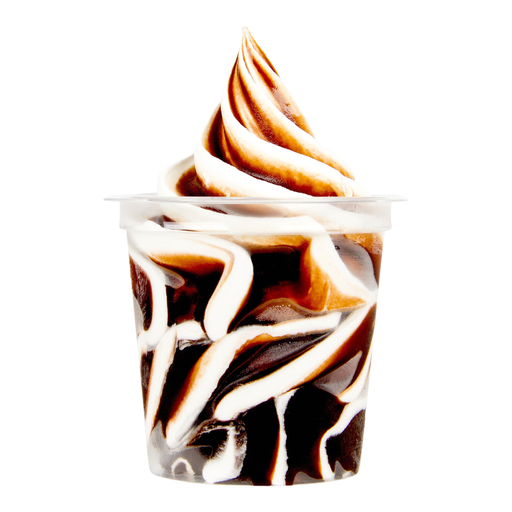 Image unavailable
SOFT Chocolate Ice Cream Cups, 140 ml
The individual tub is easy to serve without cutting if you’re looking for a cold dessert. The product name gives the capacity as 140 ml. Check the consistency when serving and whether the person can tolerate cold foods.
View on Joybuy
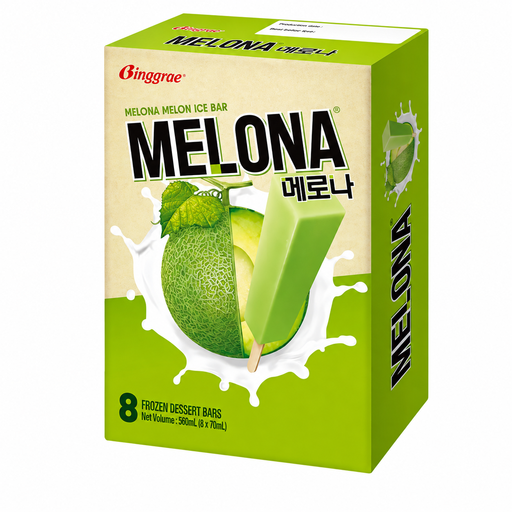 Image unavailable
Binggrae Melona Melon Ice Bar, 8 × 70 ml
The ice bars let you serve one at a time without cutting, if cold foods are well tolerated. The pack contains eight 70 ml bars. Consider whether biting into a frozen bar is suitable for the person.
View on Joybuy
Frequently asked questions
Is a ‘soft’ frozen dessert always suitable if chewing or swallowing is difficult?
No. The word ‘soft’ doesn’t guarantee that a dessert is free from pieces or that its texture is suitable for someone with a swallowing difficulty. The ARC Foundation mentions soft, mousse-like or puréed textures in the context of cancer treatment. If someone has dysphagia or has been prescribed a particular texture, ask their healthcare professional for advice.
How do you prepare an individual frozen fondant?
Follow the instructions for the exact product, including the microwave wattage and standing time. For its 90 g chocolate and caramel fondant, Picard recommends heating it for 45 seconds at 750 W, then leaving it to stand for two minutes. These settings shouldn’t be used for another recipe.
Can you refreeze an individual dessert once it has thawed?
Anses recommends not refreezing food once it has thawed and eating it soon afterwards. Also follow the storage instructions for the dessert in question.
Where can you check the allergens in a frozen dessert?
Check the ingredients list on the packaging of the exact product you’ve bought. In France, the DGCCRF says allergens in pre-packed foods must be highlighted in the list. Also check the information for the specific recipe, including any warnings about possible traces.


