For a workplace canteen, pre-portioned pastries save you having to cut a cake, provided their preparation fits the pace of service. An individual frozen dessert avoids reheating, but requires suitable storage and a distribution process for frozen products. In either case, check the number of portions, serving instructions, allergens and ordering conditions before adding a product to the menu.
Who are these formats for?
Managers who need to serve quickly
If cutting cakes slows down the self-service queue, pastries sold by the slice or in individual portions, such as those featured by Carrefour and Picard, make it easier to plan how many units to serve. Check the preparation method for each product.
Buyers who need to adjust quantities
The number of pieces and the weight per portion help you match orders to the number of diners. The two-portion formats featured by Carrefour and E.Leclerc, for example, can be a useful way to try a recipe on a small scale before planning a larger service.
Those responsible for allergen information
For every recipe you choose, you need to be able to check the ingredients of the product delivered and pass on the relevant information to diners. The ingredients of a chocolate fondant featured by E.Leclerc cannot be assumed to apply to other chocolate desserts.
Which criteria should you prioritise?
Pre-portioned pastry
Consider this: when you need to serve dessert without cutting a cake to share.
Plan for: baking, reheating or defrosting before serving, depending on the recipe.
Individual frozen dessert
Consider this: when your site can store and serve frozen products without reheating.
Plan for: sufficient freezer capacity and a serving process suited to frozen products.
| Criterion |
What to check |
Relevant consumer priorities |
| Speed of service |
Confirm that the portions are separate and check how they need to be prepared before serving. |
When diners move quickly through the self-service area, I want to hand out a portion without any last-minute cutting; around 33% of consumers prioritise a smooth service. |
| Quantities per order |
Count the portions per box or carton and note the weight of each portion. |
When the number of diners varies, I want to order the right number of portions rather than build up a stock of unused units; around 27% of consumers put managing quantities first. |
| Allergens |
Check the information for the product delivered and arrange to share it with diners. |
When several recipes are served, I need to be able to match each one to its ingredients so I can inform diners; around 27% of consumers prioritise this information. |
| Dessert variety |
Choose recipes that fit your storage space and ordering frequency. |
To keep the menu fresh, I want several recipes without adding more product lines than the site can store; around 13% of consumers put variety first. |
Mistakes to avoid
-
Assuming a consumer catalogue guarantees regular supply
A product listed online is not necessarily available for regular canteen orders. For one of its product listings, E.Leclerc advises customers to contact the relevant store to check availability.
Before adding a dessert to the menu, confirm order volumes, transport packaging and lead times with the retailer or supplier.
This takes time when you need to plan several products for the same service.
-
Assuming you can identify allergens from the name or photo
Two chocolate or fruit desserts can have different ingredients. An E.Leclerc listing for a chocolate fondant, for example, mentions egg, soya, wheat and butter; it does not describe other recipes.
Check the information for the product delivered and make sure it is shared with diners before service.
-
Building your menu around a time-limited offer
Some frozen dessert products featured by ALDI were advertised as available from a specific date. An offer like this is not enough to plan regular services.
For a recurring menu, confirm that you can reorder the product and have another recipe in mind whose ordering conditions suit your operation.
Retailers to explore for these formats
Carrefour
Its individual frozen pastry range includes a Carrefour Extra fondant in two 90 g portions.
- The stated number of pieces and weight help you assess whether the format suits your service.
- Before serving it regularly, confirm ordering options and availability with the relevant store.
Picard
Its individual pastry range includes flans, fondants, crumbles and tarts, including options sold by the portion.
- These recipes offer ways to rotate the menu without cutting desserts during service.
- Check the packaging, recipe-specific instructions and ordering arrangements for your canteen.
E.Leclerc
The retailer features Côté Table Dessert chocolate fondants in packs of two, as well as other frozen desserts.
- Some product listings state the weight, number of pieces and ingredients.
- One listing advises customers to contact their E.Leclerc store to check product availability; confirm local ordering arrangements.
Auchan
Its range of frozen pastries and desserts includes two-piece molten-centre cakes, mochis and ice lolly bars.
- The pastry and frozen dessert formats offer ideas for two different types of service.
- Check which products are available at your chosen store and review their product information before planning the menu.
ALDI
Its frozen dessert range includes cones, ice lolly bars, mochis and sundae cups, often sold in multipacks.
- These formats are worth considering for a service offering pre-portioned frozen desserts.
- Some offers are time-limited: check availability and whether you can reorder before including them in a recurring menu.
Frozen desserts available on Joybuy
These products are suited to serving frozen desserts in a canteen equipped to store and distribute them. When planning service, check the number of units ordered, storage instructions and allergen information for the product delivered.
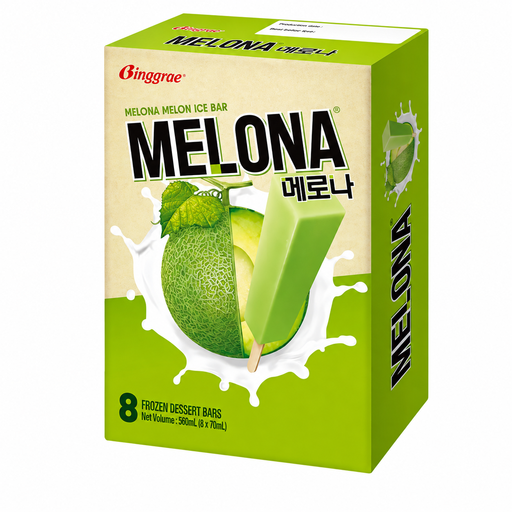 Image unavailable
Binggrae Melona Melon Ice Bar 8 x 70 ml
Ice lolly bars are suitable for serving without cutting, provided you have a process in place for distributing frozen products. The pack is listed as containing eight 70 ml units; check the storage instructions and batch information before serving.
View on Joybuy
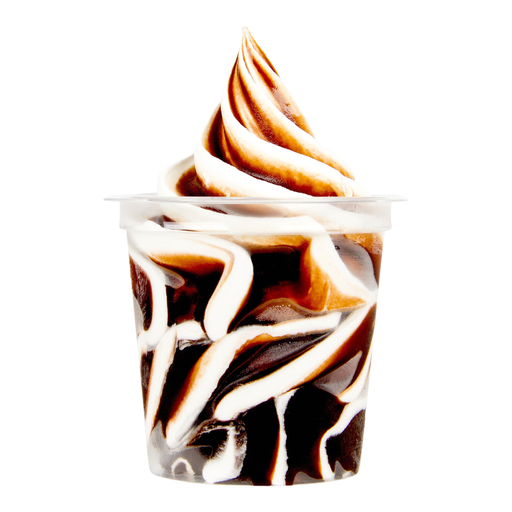 Image unavailable
SOFT Chocolate Ice Cream Cups 140 ml
An individual tub saves you having to portion out the ice cream at service. Each tub is listed as 140 ml; confirm how many tubs are included in the order and check the allergen information for the batch delivered.
View on Joybuy
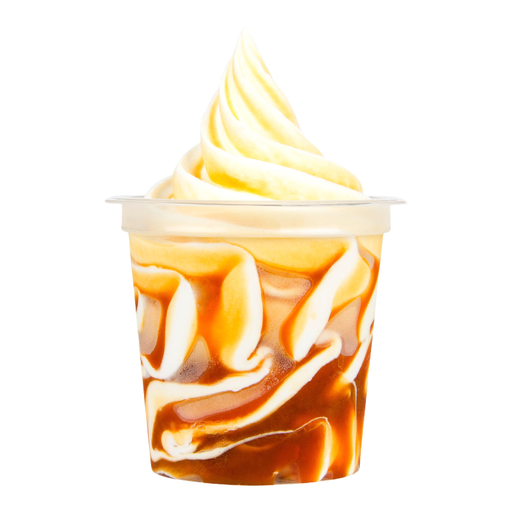 Image unavailable
SOFT Caramel Ice Cream Cups 140 ml
This individual tub is another recipe to consider for serving frozen desserts without portioning. Each tub is listed as 140 ml; check how many tubs are included in the order, along with the allergen information for the product delivered.
View on Joybuy
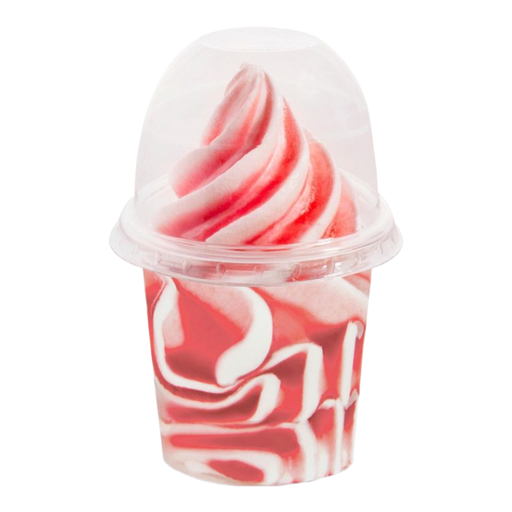 Image unavailable
SOFT Vanilla Strawberry Ice Cream Cups 140 ml
An individual tub lets you serve a vanilla and strawberry flavour without cutting or portioning. Each tub is listed as 140 ml; confirm how many tubs to order and check the batch information before serving.
View on Joybuy
 Image unavailable
Magnum Double Gold Caramel 284 g
This ice lolly is worth considering for a frozen dessert service. The pack is listed as 284 g; confirm the number of ice lolly bars and the size of each portion before deciding how much to order.
View on Joybuy
Frequently asked questions
Do you need to tell diners about allergens in desserts?
Yes. If substances or products covered by the relevant rules are still present in the dessert being served, consumers must be informed. Légifrance sets out this requirement for the substances and products listed in Annex II of Regulation (EU) No 1169/2011. Request the information for the product delivered and arrange to share it in the canteen.
Is the name ‘chocolate dessert’ enough to identify its allergens?
No, ingredients vary by product. An E.Leclerc listing for a chocolate fondant, for example, mentions egg, soya, wheat and butter; check the information for the specific dessert and batch being served.
Can an individual frozen dessert replace a pastry on the menu?
It can, provided the canteen has suitable storage and serving arrangements for frozen products. The choice also depends on what diners want: serving ice cream is not the same as serving pastry that has been defrosted or reheated.


