People who eat lunch on the move
An individually wrapped cake means you don’t have to cut off a slice or carry an opened pack. Check that the packaging and storage instructions are suitable for the length of your journey.


For lunch on the go, choose a pre-portioned cake if you need to carry it without cutting it up. If ingredients or allergens matter to you, check the exact recipe. Individual wrapping tells you about the format, not the nutritional values: compare the figures per 100 g, then check the weight of each cake and the storage instructions.
An individually wrapped cake means you don’t have to cut off a slice or carry an opened pack. Check that the packaging and storage instructions are suitable for the length of your journey.
If a particular ingredient or allergen affects your choice, read the label for the exact product, including any ‘may contain’ warnings. Information for another cake from the same brand is no substitute.
The number of cakes, the pack weight and the weight of each portion can help you choose a format for several days. Compare these details across the products actually available when you shop.
For lunch on the go, start with your main requirement, then check the ingredients and the actual size of each cake before choosing a recipe.
| What to consider | What to check | Who is it for? |
|---|---|---|
| Carrying and portion size | Individual wrapping, the number of cakes and the weight of each portion; storage instructions if you have a long journey. | If I’m eating away from home, I want to take a portion with me without cutting the cake or keeping an opened pack; around 36% of consumers would make this convenience their top priority. |
| Ingredients and allergens | The ingredients list, allergens and any ‘may contain’ warnings for the exact product; nutritional values per 100 g and per portion, if provided. | If a recipe needs to meet my dietary requirements, I need to be able to check its ingredients before choosing it; around 29% of consumers would put this check first. |
| Quantity for several breaks | The number of cakes, the total weight and the weight of each portion, where stated. | To plan several lunches, I need to know how many portions the pack actually contains; around 21% of consumers would prioritise this. |
| Type of cake | The precise recipe name and the ingredients it highlights. | Once my practical requirements are met, I can look for a moist cake, a brownie or another specific recipe; around 14% of consumers would make the type of cake their first consideration. |
Individual wrapping tells you how the cake is packaged, but on its own it says nothing about the sugar or fat content of the recipe.
Compare the nutritional information per 100 g, then check the weight and, if shown on the packaging, the values per cake. The DGCCRF presents the declaration per 100 g as a common basis for comparison.
Two chocolate cakes, even from the same brand, may have different ingredients and ‘may contain’ warnings.
Read the packaging for the product you’ve chosen. The DGCCRF reminds consumers that allergenic ingredients must be highlighted in the ingredients list.
Instructions can vary from one cake to another. Individual wrapping doesn’t mean the contents can be stored in any conditions.
If you’re buying a cake before travelling, check the storage instructions on the pack and plan your journey accordingly.
Carrefour’s range includes soft and filled LU cakes, including individual portions.
St Michel lists, among other products, a 240 g chocolate brownie in individual sachets.
The retailer offers fresh individual cakes as well as products from other brands. Its product listing for a soft red fruit cake describes a pack of two.
E.Leclerc’s P'TIT DELI / Marque Repère range includes soft and marble cakes in packs of six, eight or ten portions.
Two Auchan listings describe soft chocolate cakes in packs of six individually wrapped sachets, including one Auchan Bio product.
Lidl occasionally includes pastries and madeleines in its range.
This selection includes chocolate cakes, a matcha tartlet and a banana Baum cake. If you’re choosing a dessert to take with your lunch, compare the recipes and check the packaging, allergens and storage instructions for each one.
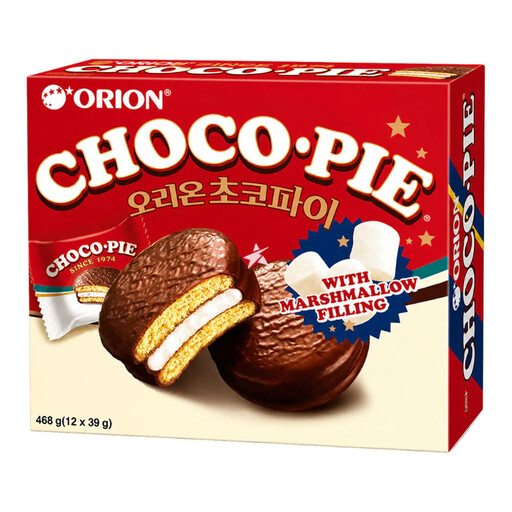 Image unavailable
If you’d like to take a chocolate cake with your lunch, check how many portions are in this 468 g pack and how they’re wrapped.
Before choosing this product, check the packaging for wheat, milk, eggs and soya, as well as any ‘may contain’ warnings for peanuts and tree nuts.
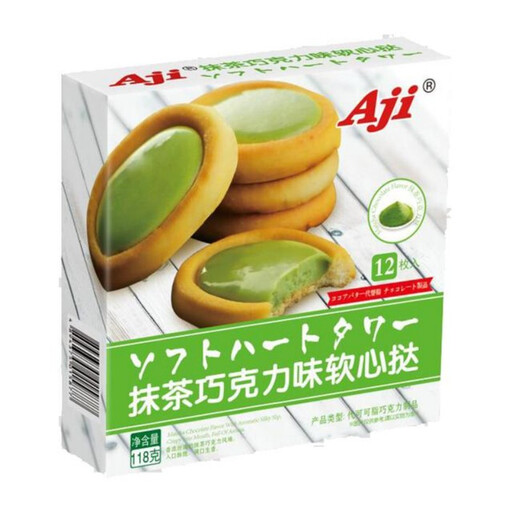 Image unavailable
If you’d prefer a matcha and chocolate tartlet to a soft cake, check how the portions are packaged in this 118 g pack.
Check the information about milk, soya and wheat. The product listing also mentions the colourings E102 and E110, with a warning about their possible effect on children’s activity and attention. Read the label before buying.
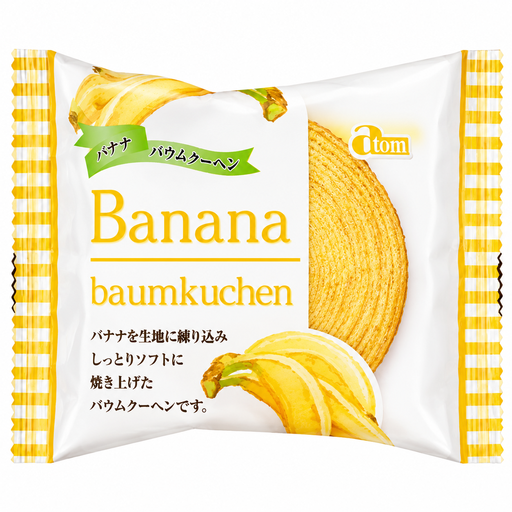 Image unavailable
This 80 g banana Baum cake could suit you if you’re looking for this type of recipe for a break. Check the pack to see how many portions you can take with you.
The description recommends keeping it chilled. Check the packaging for storage instructions during your journey and check the allergens for the exact product, particularly wheat, egg and milk.
Read the product name, ingredients, allergens, quantity, date and storage instructions, along with the nutritional information on the pack. For prepacked foods, the DGCCRF reminds consumers in particular that allergens must be highlighted in the ingredients list.
Start with the values per 100 g to compare cakes of different weights, then check the weight and the values per portion, where provided. The DGCCRF presents the nutritional declaration per 100 g as the common basis for comparison; the portion value then tells you what’s in the cake you’ve chosen.
No. Check the ingredients and any ‘may contain’ warnings for each product. Another recipe or pack format from the same brand won’t tell you which allergens are in the cake you’re planning to take with you.