For a meal or snack in a care home, first choose a dessert that meets the resident’s needs, then consider how it will be served. Individually wrapped cakes make distribution easier, while fresh pastries need to be stored according to the instructions for the product you choose. If a resident has dysphagia, difficulty chewing, an allergy or an individual dietary plan, the appropriate care team must approve the choice. The word ‘soft’ and individual packaging alone are not enough to show that a cake is suitable.
Who is buying for a care home?
Staff buying for a resident who has a prescribed texture
When chewing or swallowing difficulties affect the choice of dessert, check that its consistency is suitable for the individual resident. The French National Authority for Health (HAS) says that, in cases of dysphagia, a healthcare professional should recommend an appropriate consistency for each person. Describing a cake as soft is no substitute for this decision.
Someone responsible for allergies and individual diets
They need to check each recipe against the resident’s dietary requirements. For prepacked foods, the ingredients, highlighted allergens and nutritional information help you check the exact product being served, in line with labelling guidance from the French Directorate-General for Competition Policy, Consumer Affairs and Fraud Control (DGCCRF).
Staff organising desserts and snacks
Once the texture and dietary requirements have been checked, staff can compare portion sizes, packaging and storage requirements. For example, St Michel lists its Mirabelles in packs of 16 individually wrapped portions. This tells you about serving the product, not whether it is suitable for every resident.
What should you check?
Start with the texture and the resident’s individual requirements. Once these have been taken into account, compare individually wrapped cakes, fresh pastries and the practical needs of your service.
Individually wrapped cake
Consider this: for a standard-texture dessert, if the recipe is suitable for the resident and a wrapped portion makes serving easier.
Bear in mind: packaging does not guarantee that a cake is suitable for a prescribed texture or that its portion is nutritionally appropriate.
Individual fresh pastry
Consider this: to add variety to the dessert menu, if your care home can follow the storage and serving instructions for the product you choose.
Bear in mind: buying pastries individually does not necessarily mean they are individually wrapped. Check the information for the specific pastry you buy, too.
Dessert with an adapted texture
Choose this: when a specific consistency has been recommended for the resident.
Bear in mind: the choice depends on the resident’s individual consistency requirements, not simply on whether an everyday cake is described as ‘soft’, as the French National Authority for Health points out.
| What to check |
Check this |
Who is this for? |
| Texture and chewing |
The recommended consistency and the advice of the appropriate care team before offering a standard cake. |
If a resident has difficulty chewing or swallowing, I need to rule out desserts with an unsuitable texture. Around 40% of consumers are said to put texture requirements first. |
| Allergens and diet |
The ingredients and allergens in the exact product, followed by its nutritional information in relation to the resident’s individual requirements. |
To serve a resident with dietary restrictions, I need a recipe I can check against their requirements. Around 30% of consumers are said to make this their top priority. |
| Portions and serving |
The number and size of portions, storage instructions and the date shown on the product you choose. |
When several desserts are already suitable for the resident, I want to be able to serve the portions and organise storage without making service more complicated. Around 30% of consumers are said to prioritise this. |
Mistakes to avoid
-
Assuming ‘soft’ means suitable for a particular texture
The word describes the cake, but does not specify the consistency required by someone with swallowing difficulties. The French National Authority for Health says this consistency should be recommended individually.
If a resident has swallowing difficulties, ask the appropriate care team to approve the dessert before serving it. Do not replace the dessert specified in their care plan with an everyday cake.
-
Trusting the brand instead of checking the recipe
Ingredients vary between products. For example, St Michel Mirabelles list gluten and egg, and may contain traces of nuts, milk and soya. This list does not apply to the brand’s other products.
Check the label on the pack being served against the resident’s allergies and dietary requirements, then consult the nutritional information if it is relevant to their care.
-
Assuming an individual portion meets nutritional needs
Packaging makes portions easier to count and serve, but it does not on its own determine whether a dessert is appropriate for someone’s dietary needs. The French National Authority for Health treats malnutrition in older people as a condition that requires appropriate assessment and care.
Choose packaging for practical reasons, and let the care home team separately assess how the dessert fits into the resident’s diet.
Brands and retailers to know
These examples show some of the formats you could consider. The right choice still depends on the specific product and the resident’s needs.
St Michel
The brand offers soft cakes in individual wrappers, among other products. Its Mirabelles product page describes a box of 16 individually wrapped portions.
- The product information for this item lists the ingredients, allergens and nutritional values you need to check before serving.
- Mirabelles contain gluten and egg, and may contain traces of nuts, milk and soya. Their packaging does not mean they are suitable for a prescribed texture.
Carrefour
This retailer offers individual pastries, including tartlets, éclairs and soft cakes, sold singly or in multipacks.
- This type of range lets you explore dessert options beyond individually wrapped cakes.
- For the pastry you choose, check its packaging, dietary information, date and storage instructions.
LU
LU is a biscuit brand worth considering if you are looking for a specific recipe rather than a fresh pastry.
- Its range helps you identify products to compare by format.
- Check the number of portions, ingredients, allergens and texture on the product you choose. The brand name alone does not answer these questions.
Individual cakes available on Joybuy
These packaged cakes and desserts can be considered for individual portions. Before serving any of them in a care home, check the label and actual format against the resident’s requirements. Do not choose any of these products based on its texture description alone.
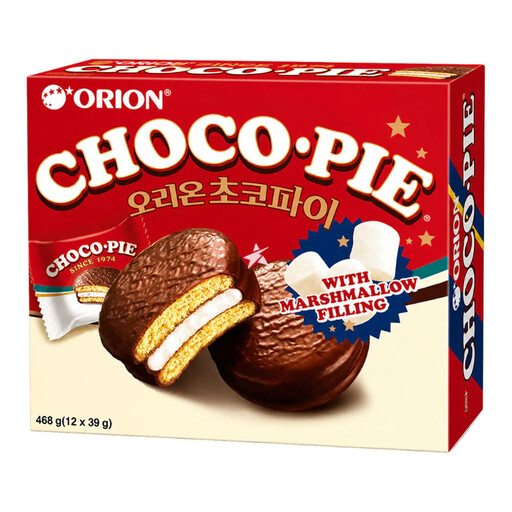 Image unavailable
Orion Choco Pie 468 g
Worth considering for serving packaged desserts, subject to each resident’s individual requirements.
Listed size: 468 g. Before serving, check the portions, allergens, nutritional information and date on the packaging. If a specific texture has been prescribed, ask the appropriate care team to approve the choice.
View on Joybuy
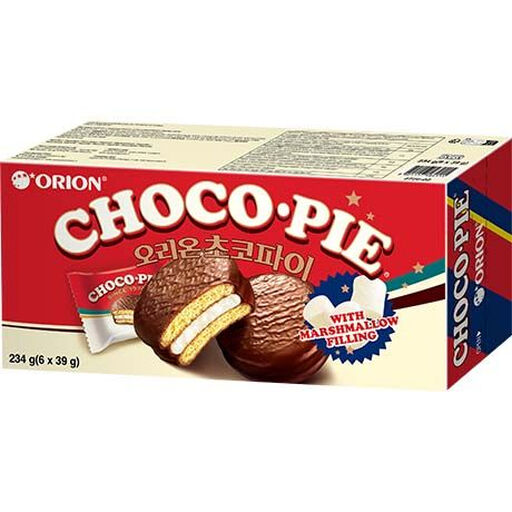 Image unavailable
Orion Choco Pie 234 g
Consider this if packaged cakes fit the way your care home organises snacks.
Listed size: 234 g, distinct from the 468 g version. Check the portions, allergens and date on the pack. A prescribed texture needs to be approved separately.
View on Joybuy
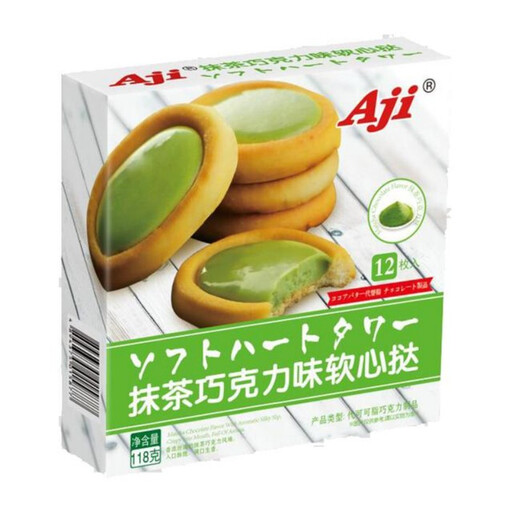 Image unavailable
Aji Matcha Chocolate Flavour Soft Heart Tart 118 g
Worth considering if a packaged tartlet is suitable for the planned dessert and the resident’s dietary requirements.
Listed size: 118 g. Check the packaging and recipe on the label. If a particular consistency is required, ask the appropriate care team to confirm that the texture is suitable.
View on Joybuy
 Image unavailable
Atom Japanese Banana Baum Cake 80 g
Worth considering as an individual dessert, once you have checked the recipe against the resident’s requirements.
Listed size: 80 g. Check the ingredients, allergens, nutritional information and date on the pack. Describing a cake as soft does not replace approval of a prescribed consistency.
View on Joybuy
Frequently asked questions
Is a ‘soft’ cake suitable for someone with swallowing difficulties?
Not on the basis of that description alone. The French National Authority for Health says that, in cases of dysphagia, a healthcare professional should recommend an appropriate consistency for each person, based on their swallowing difficulties. Ask the appropriate care team to approve the dessert you are considering.
What should I check on a prepacked cake before serving it?
Check the exact product, its ingredients and allergens, the quantity and the date shown on the pack. The DGCCRF states that allergens must be highlighted and that the nutrition declaration on prepacked foods includes energy, fat, sugars, protein and salt. Check this information against the resident’s requirements.
Is an individual cake enough if someone is malnourished?
No. Its format alone does not provide nutritional care. The French National Authority for Health recommends appropriate assessment and care for malnutrition in older people. The care home team decides whether a dessert has a place in the resident’s diet.
How can I avoid mixing up the allergens in two recipes?
Keep the label for the exact product being served to hand and check it against the resident’s individual requirements before serving. Allergens and ‘may contain’ statements can differ between products from the same brand: the list for one recipe does not apply to another.


