
Livraison le jour même ou le lendemain

Qualité garantie

Débloquez vos offres de bienvenue: Livraison GRATUITE | Jusqu'à -80 % | 30 jours d'essai gratuits à JoyPlus
Téléchargez l'application
Finding authentic ingredients to master Indian cuisine can sometimes be a challenge. Indian lentils, the cornerstone of so many traditional and vegetarian dishes, are no exception. Whether you're dreaming of a creamy Indian dal, a comforting soup, or a nutritious salad, choosing the right lentil is key.
Follow our guide: we've broken down the different varieties and compiled our best tips so you'll never go wrong again.
Navigating an online Indian grocery store can quickly become overwhelming. To help you make sense of it all, here are the essential criteria to keep in mind before you buy TRS lentils or other brands.
The term Indian dal refers to both the simmered dish itself and the legumes, which are often sold split (hulled and divided).
The type of lentil directly impacts the final result of your dish.
For a successful culinary experience, the quality of your ingredients makes all the difference. Reputable brands like TRS are often a sign of reliability. Also, consider the package size: a 2 kg bag will be more economical for regular use, while a 500 g pouch is perfect for trying a new variety or for occasional cooking.
Here is a selection of products that meet different needs, chosen for their versatility and popularity among connoisseurs.
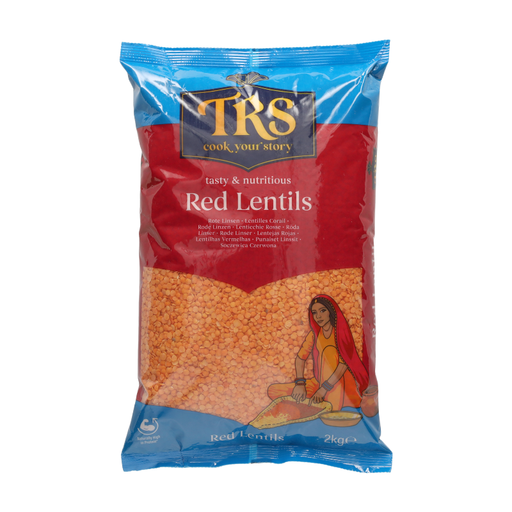
Why We Love Them
These split red lentils, or masoor dal, are a pillar of Indian cuisine. Their secret weapon? A record-fast cooking time with no soaking required. They break down into a smooth purée, the perfect base for rich and flavourful dals.
Key Features:
Who is it for? Perfect for families and anyone who cooks a lot of Indian food and is looking for a reliable, budget-friendly staple.
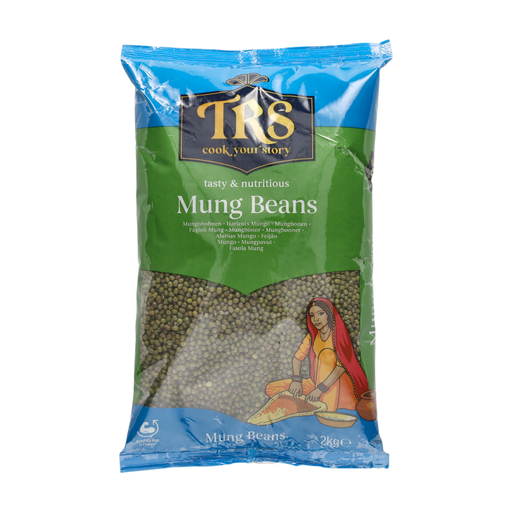
Why We Love Them
Whole mung beans, sometimes mistakenly called green soybeans, are highly valued for their firm texture and delicate, earthy flavour. Unlike split lentils, they hold their shape when cooked, adding bite and structure to stews, salads, and the famous Khichdi.
Key Features:
Who is it for? For those who want to branch out beyond creamy dal, explore legume curries or warm salads, and who appreciate a more substantial bite.
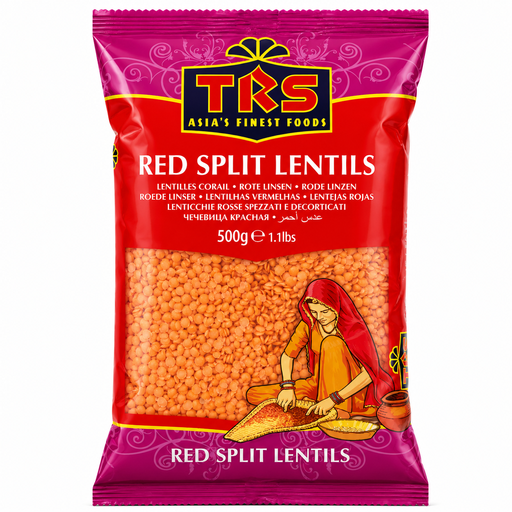
Why We Love Them
These whole red lentils (Masoor) are simply red lentils that still have their skin on. They offer the best of both worlds: they cook faster than other whole lentils but hold their shape better than split ones. The 500g size is ideal for occasional use or for smaller kitchens.
Key Features:
Who is it for? Ideal for individuals, couples, or anyone new to cooking with lentils who prefers to start with a smaller quantity.
Does your recipe call for a different variety? Eager to explore further? World cuisine is an endless playground. Dive into our catalogue to find the perfect ingredient for your next dish.
Explore our full range of legumes and world ingredients →
1. What's the difference between red lentils and masoor dal?
Absolutely none. They are two names for the same legume. "Red lentils" is the common English name, due to their orange colour once hulled. "Masoor dal" is the Hindi term for these same lentils, which are most often sold split (dal).
2. Do Indian lentils need to be soaked before cooking?
It all depends on the variety. Split lentils like red lentils (masoor dal) don't need soaking and cook in 15-20 minutes. For whole lentils like mung beans, soaking for a few hours can reduce cooking time and aid digestion, but it's not always mandatory. In any case, a thorough rinse under clean water is essential.
3. Where can I find a reliable online Indian grocery store?
This is often the biggest hurdle. Platforms like Joybuy rise to the challenge by curating products from around the world and providing access to trusted brands like TRS. This allows you to get high-quality ingredients for your recipes delivered right to your door, without having to run around to specialty shops.