
Livraison le jour même ou le lendemain

Qualité garantie

Débloquez vos offres de bienvenue: Livraison GRATUITE | Jusqu'à -80 % | 30 jours d'essai gratuits à JoyPlus
Téléchargez l'application
Buying Indian groceries online lets you get your hands on spices, sauces and ready meals that are sometimes impossible to find in regular supermarkets. But with all those brightly coloured packets and labels saying "traditional", "mild" or "extra hot", it's not always easy to know what to choose.
Three mistakes crop up time and again:
For regular use, start by checking that the product actually contains the ingredient you're after. A powder made from 100% red chilli, for example, is easy to identify and measure. A ready-to-use sauce, on the other hand, can bring together lots of ingredients and allergens.
Patak's Tikka Masala Paste 283 g contains turmeric, cumin, coriander, ginger, tamarind and garlic powder. The product page also mentions the presence of mustard, as well as possible traces of cereals containing gluten, eggs, peanuts, soya, nuts, celery and sulphites.
SWAD Korma Curry Sauce 250 g contains several dairy ingredients, including yoghurt, clarified butter and butter. So it's not suitable for a vegan diet.
Labels saying "mild", "medium" or "extra hot" give you a first indication, but the recipe you're planning and the quantity you use matter just as much. To gradually spice up an Indian curry, you could go for:
TRS Chilli Powder Extra Hot 100 g is described as a particularly strong red chilli powder. It's aimed more at those who are used to spicy dishes than at people who are new to Indian spices.
Choose a weight that matches how often you cook. A 100 g packet is usually enough for family cooking, while a 250 g size might be more suitable for a large family or professional use.
After opening, store spices in an airtight container in a cool, dry place away from light. For sauces, follow the manufacturer's recommendations. SWAD korma sauce needs to be put in the fridge after opening and used within two days. ASHOKA curry paste also needs to be refrigerated once opened.
Also think about the difference between ready-to-use products and ingredients you combine yourself. A tikka masala paste or curry paste cuts down preparation time significantly. Cumin powder, cumin seeds, cinnamon sticks and garam masala, on the other hand, let you create your own custom blend.
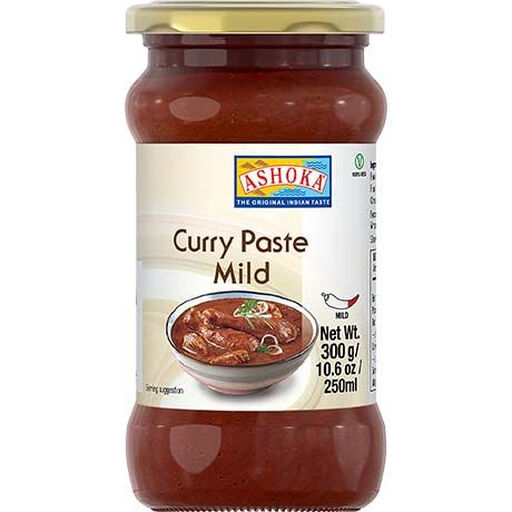
Why this choice suits this profile: This mild curry paste is a handy base for curries, stews and marinades. You use it with onions, tomatoes, water or coconut milk, without having to buy a long list of spices straight away.
The "mild" label indicates moderate heat. The ingredients list details the spices used and specifies storage conditions after opening.
300 g size, with coriander, cumin, turmeric, ginger and garlic. The paste works just as well for a curry as for a marinade.
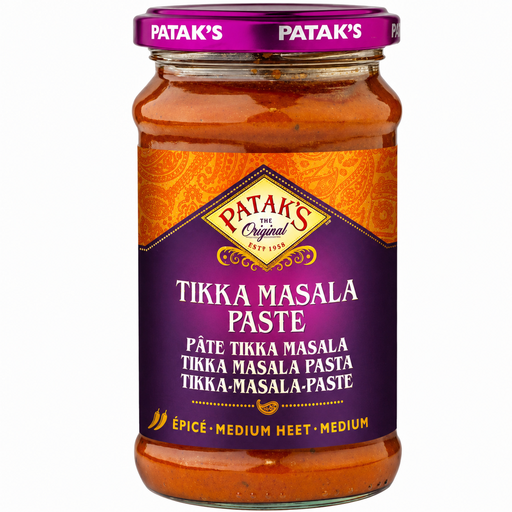
Why this choice suits this profile: Its ingredients list brings together several aromatics, including tamarind, fenugreek, cumin and coriander. It lets you prepare a tikka masala base with more nuanced flavours.
The product page states that the paste must be cooked and should not be eaten raw. Allergens and any possible traces are also listed.
A granular texture and a flavour profile that blends ground spices with tangy notes. After opening, the stated shelf life can be up to six months in a dry place.
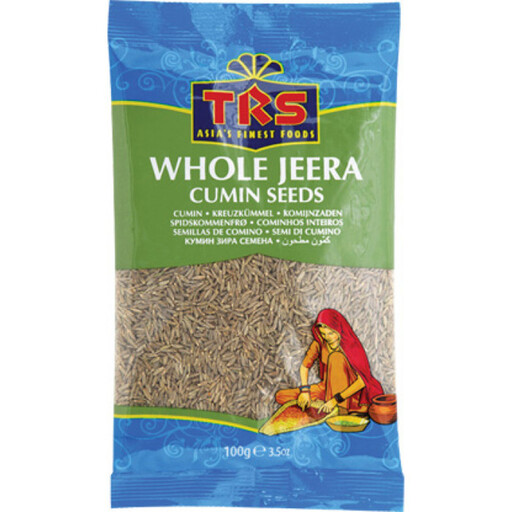
Why this choice suits this profile: Cumin seeds are perfect for making a tadka, dals, vegetables or curry blends. Use them whole or grind them into powder depending on the recipe.
Whole cumin is less easily confused with a powder that may have lost its aroma. It also lets you choose how to use it. Airtight storage is clearly recommended.
Whole cumin seeds in a 100 g packet, suitable for curries, garam masala and vegetarian dishes.
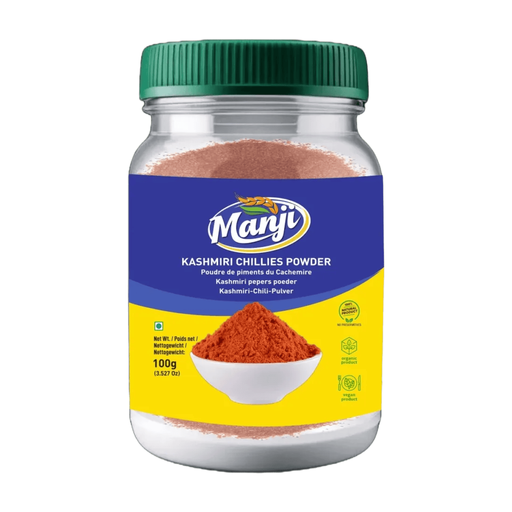
Why this choice suits this profile: This Kashmiri chilli powder is described as suitable for vegetarians and vegans. You can use it in curries, marinades, sauces and seasonings.
The product page states it's 100% Kashmiri chilli, with no artificial colours or preservatives.
An intense red colour, moderate heat, a 100 g size and no declared allergens.
We've selected a full range, updated in real time, of products that meet these exacting criteria and European food safety standards.
To have a versatile base, go for several product families:
To throw together a quick meal, pair a korma sauce with vegetables, paneer or another source of protein. If you prefer to keep control of the recipe, individual spices let you adjust the heat, salt level and sauce texture precisely.
A curry paste is generally more concentrated. It's used as a base and needs to be fried off with onions, tomatoes, water or coconut milk. A sauce like korma is already closer to the finished result: you mainly just need to heat it through with the vegetables or protein of your choice.
Keep them in a cool, dry, dark place, ideally in an airtight container. Avoid the cupboard above the hob or any area exposed to steam. Always check the date and instructions on the packaging.
Kashmiri chilli is often chosen for its beautiful red colour and moderate heat. Ground turmeric, on the other hand, gives a deep yellow hue with a different flavour profile. In both cases, start with a small amount, then adjust according to the recipe.