
Livraison le jour même ou le lendemain

Qualité garantie

Débloquez vos offres de bienvenue: Livraison GRATUITE | Jusqu'à -80 % | 30 jours d'essai gratuits à JoyPlus
Téléchargez l'application
Occasional fatigue, an unbalanced diet, limited sun exposure, or simply wanting to take better care of yourself — immune-support supplements can address a wide range of needs. But a flashy label or an impressive dosage isn't enough to make the right choice.
Before buying vitamin C, zinc, vitamin D3 or antioxidants, take the time to examine the ingredients, the format and the usage instructions. The goal isn't to stockpile bottles, but to choose a formula that works with your diet, your habits and your needs.
A high percentage of the Nutrient Reference Value (NRV) naturally catches the eye. However, it doesn't guarantee that prolonged daily use will be suitable for everyone. Some products contain, for example, 1,000 mg of vitamin C, while zinc gummies display 15 mg of elemental zinc, which is 150% of the NRV.
The right dosage should be assessed by considering your diet, any other supplements you take, and how long you plan to use it. At high doses over a long period, zinc can reduce copper absorption. As for high-strength vitamin D3, it's best to seek medical advice if you're on medication, have kidney disease, or have a calcium metabolism disorder.
Claims like "strengthened defences", "detox" or "optimal absorption" can give a very simplified view of an ingredient's actual role. In France and the European Union, nutrition and health claims are regulated. Vitamin C and zinc, for instance, have authorised claims regarding the normal function of the immune system, under certain conditions.
A food supplement is not a substitute for a varied diet, adequate sleep, or medical supervision. The products featured here are food items — they are not intended to diagnose, treat or prevent any disease.
Capsule, effervescent tablet, liquid or gummy — each format has its advantages and drawbacks. Gummies often contain sugar or glucose syrup. Effervescent tablets may contain polyols, which in excessive amounts can have a laxative effect. Vegan formulas typically use a plant-based capsule or pectin, but that doesn't mean you can skip checking the allergens and excipients.
To compare two vitamin capsules, focus on the amount of active nutrient, not just the total product weight. For zinc, be sure to distinguish between the amount of zinc citrate and the amount of elemental zinc. With liposomal vitamin C, look at the quantity of vitamin C per daily dose, as well as the associated ingredients, such as sunflower phospholipids.
Quercetin, propolis, moringa or black seed oil can complement a wellness routine, but their presence alone doesn't justify a higher price. The detailed composition, the recommended dose and the duration of use should remain your priorities.
Check the daily dose, warnings, allergens, net quantity, best-before date and the contact details of the responsible party established in the European Union. Claims like vegan, gluten-free or lactose-free should be consistent with the information on the packaging and the product page.
Storage is also worth your attention. Most supplements should be kept in a cool, dry place, away from light and out of reach of children. A liquid vitamin C, for example, may need to be refrigerated after opening.
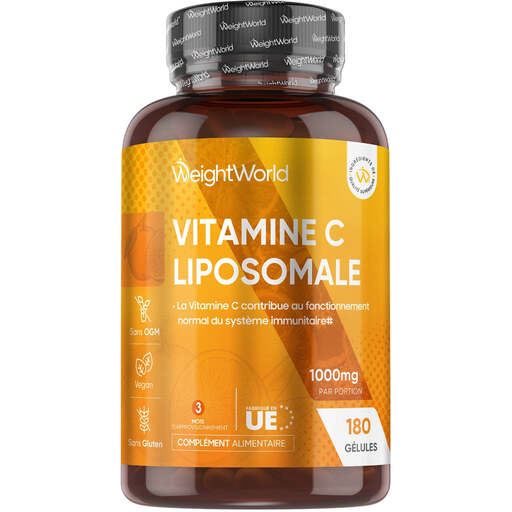
Why this suits this profile: A combined formula simplifies your routine with just one tablet a day, without needing multiple bottles.
The quantities are listed separately: 1,000 mg of vitamin C and 10 mg of zinc per tablet.
180 tablets, vegan formula, sugar-free and scored tablets.
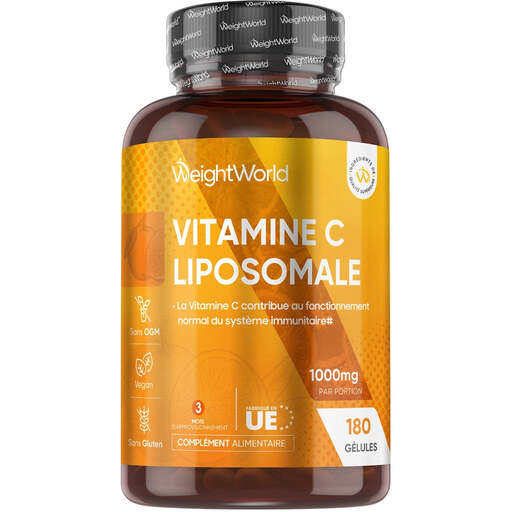
Why this suits this profile: The liposomal format is designed for those seeking a formula with sunflower phospholipids and a tasteless intake.
The product page clearly states the actual dose: 1,000 mg for two capsules, not for one.
180 capsules, vegan formula, gluten-free and flavour-free.
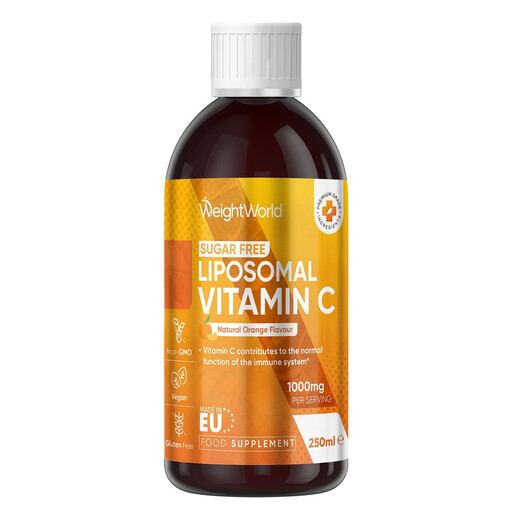
Why this suits this profile: The liquid format is ideal for those who avoid tablets and want to measure a 10 ml portion.
The dose, total volume and instructions — shake the bottle then refrigerate after opening — are clearly stated.
1,000 mg of vitamin C per portion, sugar-free and gluten-free.
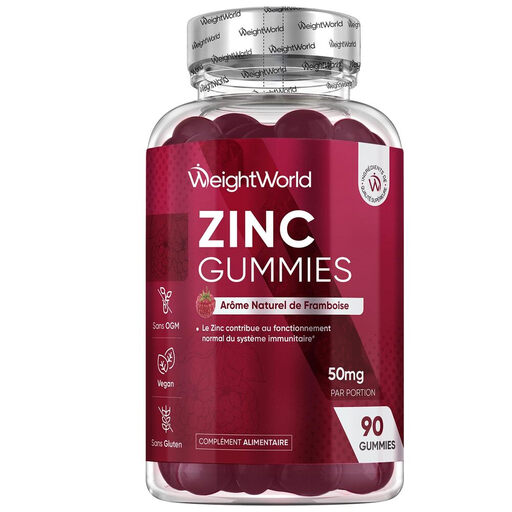
Why this suits this profile: Made with pectin, these gummies offer an easy-to-chew alternative for a simple routine, with a fruity flavour.
The product page distinguishes 50 mg of zinc citrate and 15 mg of elemental zinc per gummy.
90 gummies, pectin base and a formula described as suitable for vegans.
We've put together a comprehensive, real-time updated list of products that meet these strict selection criteria and European safety regulations.
It's possible in some cases, but you need to add up the intake from each product and stick to the recommended doses. Also check whether your women's multivitamin formula already contains zinc or vitamin D3. If you're on medication, pregnant, breastfeeding or have a health condition, seek advice from a healthcare professional.
It depends entirely on the formula and dosage. Some products are designed for daily use over three, six or twelve months. However, a large number of servings in a box doesn't mean continuous use will be suitable for everyone. With high doses of zinc or vitamin D3, don't extend the course without medical advice.
A vegan food supplement can be suitable for people who avoid animal-derived ingredients. However, the "vegan" claim doesn't tell you anything about the dosage or whether the product is right for your needs. Before ordering, always compare the nutrients, excipients, allergens and usage precautions.