
Livraison le jour même ou le lendemain

Qualité garantie

Débloquez vos offres de bienvenue: Livraison GRATUITE | Jusqu'à -80 % | 30 jours d'essai gratuits à JoyPlus
Téléchargez l'application
Buying icing sugar may seem straightforward. However, grain size, composition and packaging can all affect the result of a recipe. Granulated sugar does not behave like extra-fine sugar, while icing sugar sometimes contains starch to prevent lumps from forming.
Before filling your basket to bake cakes, sweeten drinks or make jam, take the time to check the intended use, the quantity required and the storage conditions.
The term “sugar” generally refers to standard white sugar, but its fineness can vary from one brand to another. Granulated sugar is recognisable by its clearly visible grains. It is suitable for everyday use, hot drinks and most homemade recipes.
Extra-fine sugar dissolves more quickly. It is particularly useful for meringues, creams, cake batters and cold drinks. Even finer, icing sugar is mainly used for icing, dusting, whipped cream and certain types of pastry.
A flattering description is no substitute for reading the label. When comparing two products, check in particular:
A product made from 100% sugar is not necessarily used in the same way as extra-fine sugar containing a small amount of corn starch. This can help reduce clumping, but it does not automatically replace standard granulated sugar in every recipe.
Sugar keeps for a long time as long as it remains completely dry. Moisture, however, encourages clumping and makes measuring less convenient. A 5 kg bag can lower the price per gram for a large family or intensive use, but it requires suitable storage space.
After opening, reseal the bag carefully or transfer its contents to an airtight container. Store it away from heat, direct sunlight and fluctuations in humidity.
Grain size is the first factor to consider when choosing sugar for baking:
Grain size affects how quickly the sugar dissolves, but it is not enough on its own to guarantee a precise result. The proportions and preparation method remain just as important.
Always read the “Ingredients” section. Some icing sugars contain corn starch to help prevent lumps. Gelling sugars may also contain small quantities of agents such as carrageenan or locust bean gum.
For standard white sugar, choose a simple composition when the recipe calls for it. To make jam, opt for a product clearly presented as sugar for jam, then follow the manufacturer’s instructions.
A 300 to 750 g pack is generally suitable for moderate household use. Resealable bags make storage easier between uses. For heavier consumption, a 1 to 5 kg bag may be more economical and practical, provided you have a dry, airtight container.
Also remember to check the best-before date printed on the packet. It should remain legible on delivery, particularly when buying sugar online.
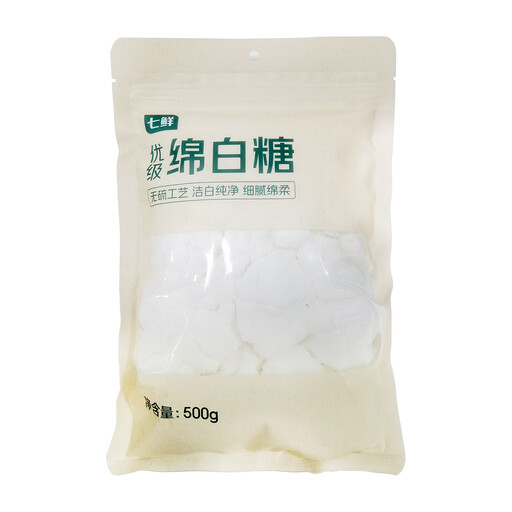
Why this choice suits this profile : At 500 g, this pack means you do not end up with a large stockpile before you know how much you use. It is suitable for your first baking experiments, drinks and everyday desserts. Its fine texture helps it dissolve quickly.
Its medium-sized pack lets you try the product without buying a large bag. The description of a fine white sugar also makes it less likely to be confused with icing sugar.
Fine grains, a composition described as white sugar-based, a 500 g pack and versatile uses.
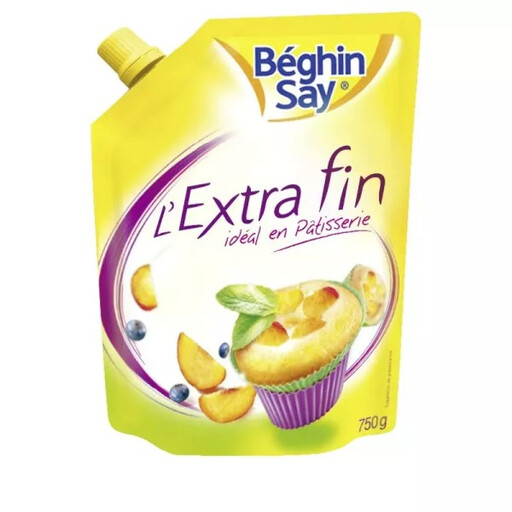
Why this choice suits this profile : Its resealable 750 g doypack is designed for people who regularly make meringues, creams, cakes or other delicate recipes.
The composition clearly distinguishes this extra-fine sugar from icing sugar: 98.5% sugar and 1.5% corn starch.
Extra-fine granulation, resealable packaging and guidance suited to baking as well as cold drinks.
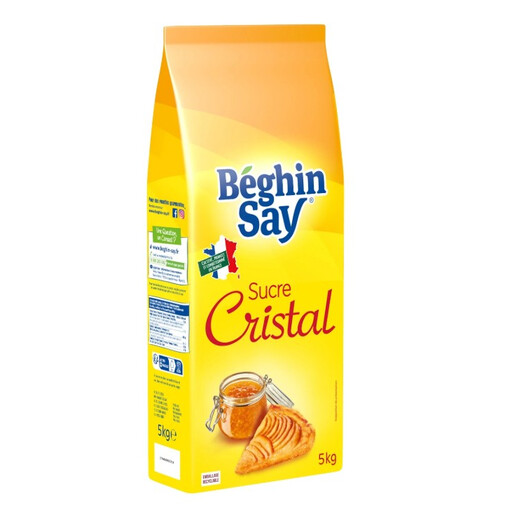
Why this choice suits this profile : This 5 kg pack is suitable for households that cook frequently, baking workshops and anyone who needs a substantial supply of granulated sugar.
The pack size is clearly stated: this is not a small bag of fine sugar. You can therefore plan for the storage space required and your rate of consumption.
Granulated sugar, a net weight of 5 kg and storage instructions advising you to keep it away from moisture and temperature fluctuations.
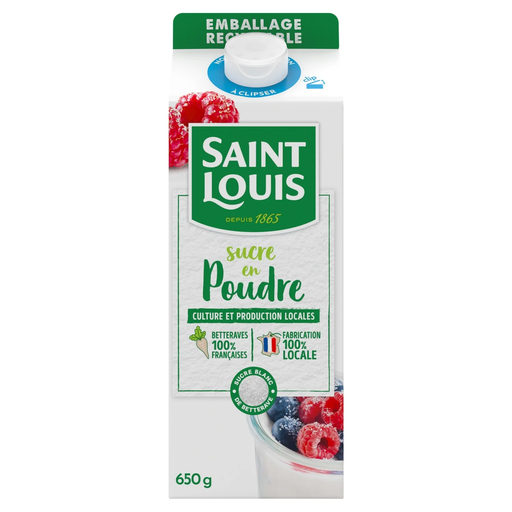
Why this choice suits this profile : This 650 g icing sugar is suitable for dusting, icing, fruit and everyday desserts.
Its name makes it clear that this is icing sugar. This helps you avoid mistakenly replacing granulated sugar in a recipe that requires a different texture.
A fine texture, rigid packaging with a precision cap and a composition described as sugar-based.
If you are looking for a more pronounced flavour, brown sugar or unrefined cane sugar will add a golden colour and more distinctive notes. DADDY Brown Cane Sugar, for example, is presented as pure, unrefined cane sugar, sold in a 750 g bag.
To make jam, BEGHIN SAY Special Jam-Making Gelling Sugar combines sugar with plant-based gelling agents. Use it in accordance with the recipe you have chosen. To flavour a cake batter quickly, Dr. Oetker Vanillasugar 10g combines sugar and vanillin flavouring in a small, easy-to-measure pack.
The organic, origin France and unrefined cane claims should be checked on the label and in the available certification information. They refer to specific characteristics: on their own, they do not guarantee that the product will be suitable for every preparation.
We have brought together a complete, real-time-updated selection of products that meet these strict selection criteria and European regulatory requirements for safety.
Not necessarily. Granulated sugar has more pronounced grains, while fine or extra-fine sugar dissolves more quickly. Check the grain size stated by the manufacturer and choose the format suited to the recipe.
Store the packet in a dry place, reseal it immediately after use and do not use a damp utensil. For icing sugar, starch may also help limit clumping, depending on the product’s composition.
A 300 to 750 g bag is enough for occasional or family use. A 1 to 5 kg pack becomes worthwhile for regular baking, making large quantities of jam or professional use. Always compare the net weight, price per kilogram and storage space required.