People buying packs to share
You want to have several individual desserts ready to serve. The number of lollies and the net weight help you tell a large pack of mini lollies from a pack of larger ones.


When choosing a pack of ice lollies to share around a marathon, compare the number of lollies, their size and the ingredients. Save them for a post-race dessert rather than using them as fuel during the event: INSEP identifies carbohydrates as a source of fuel for exercise, but the sugar in an ice lolly alone is no guarantee that it is suitable during a race. Check the allergens and storage instructions too.
You want to have several individual desserts ready to serve. The number of lollies and the net weight help you tell a large pack of mini lollies from a pack of larger ones.
You’re considering an ice lolly around a marathon, without confusing it with the food and drink planned to fuel your run. INSEP explains the role of carbohydrates in sports nutrition; choosing a frozen dessert is a different matter.
You need to check the ingredients, particularly if you need to avoid milk, soya, wheat or nuts. A product described as plant-based can still contain allergens.
First decide whether the ice lollies are for sharing as a dessert or whether you’re looking for fuel during the race: these are not interchangeable uses. For dessert, compare the pack size, ingredients and transport requirements.
| Criteria | What to check | Who is it for? |
|---|---|---|
| Pack size | Compare the number of ice lollies with the total weight or volume. Check whether they’re mini-sized before counting the portions. | If I’m planning dessert for several people, I want to know the size of each lolly as well as how many there are; around 36% of consumers would make portion planning their priority. |
| Use around marathon day | If you’re considering the product for the race, distinguish it from the food and drink planned to fuel your run. | I’m looking for an ice lolly to enjoy outside the race, not something to rely on during the event; around 29% of consumers would put this distinction first. |
| Ingredients and allergens | Read the ingredients and allergen information on the pack you choose, including for plant-based recipes. | If I need to avoid an ingredient, the flavour or the word ‘plant-based’ isn’t enough; around 21% of consumers would prioritise whether the recipe is suitable for them. |
| Transport and storage | Check the storage temperature on the packaging and plan how to keep the lollies cold on the way home. | If I need to transport the lollies before putting them in the freezer, keeping them cold comes first; nearly 14% of consumers would prioritise this. |
The fact that an ice lolly contains carbohydrates doesn’t, by itself, tell you whether it’s suitable during a race. Frozen products also need to be kept cold during transport and storage. INSEP recognises the role of carbohydrates in fuelling exercise, but doesn’t present ice lollies as marathon fuel.
Choose an ice lolly as a dessert to enjoy after the race, and plan separately what you’ll eat and drink during the event.
A pack with more ice lollies may contain mini-sized ones. The number of lollies alone won’t tell you how much each person will get.
Check the number of lollies, the total weight or volume and the individual size shown on the pack.
Magnum describes its Vegan Amande recipe as a soya-based ice cream with almonds. ‘Plant-based’ therefore doesn’t mean ‘soya-free’ or ‘nut-free’.
Read the ingredients and allergen information on the exact product packaging. According to the DGCCRF, allergens are highlighted on the labels of prepacked foods.
The DGCCRF warns that a rise in temperature can increase food-related risks. So, being able to transport a frozen product quickly is an important factor when choosing a pack.
Pick up frozen products last, follow the storage instructions on the pack and keep them out of the cold for as little time as possible.
These examples can help you identify different types of recipes and packs; they don’t guarantee that a particular product will be available at any given shop.
The brand offers chocolate-coated ice lollies, mini versions and a soya-based Vegan Amande recipe.
The retailer stocks ice lollies including Carrefour Classic' and Carrefour Sensation.
The retailer offers ice lollies including Smicy, Trium and Eskiss.
Its range includes ice lollies, mini ice lollies and frozen bars from various brands.
The retailer offers ice lollies in assortments that may vary depending on the time of year.
The retailer offers MUCCI ice lollies, including mini versions and lollies with a double coating.
These packs of ice lollies are individual desserts to enjoy around the event, not something to take with you as fuel during the marathon. Check the size and labelling of the product you’re interested in.
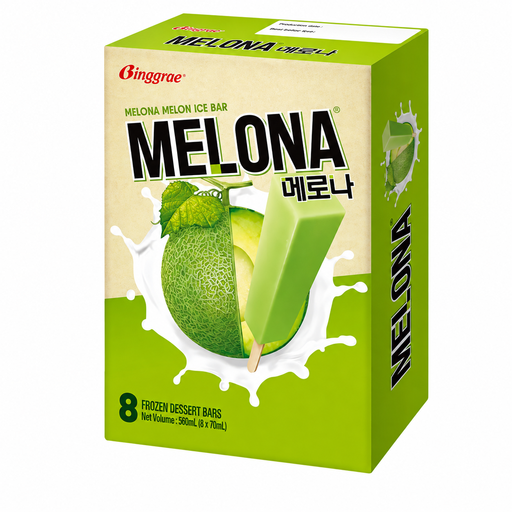 Image unavailable
A pack to consider if you’d like to serve frozen desserts individually. It contains eight 70 ml ice lollies; check the ingredients and storage instructions on the packaging.
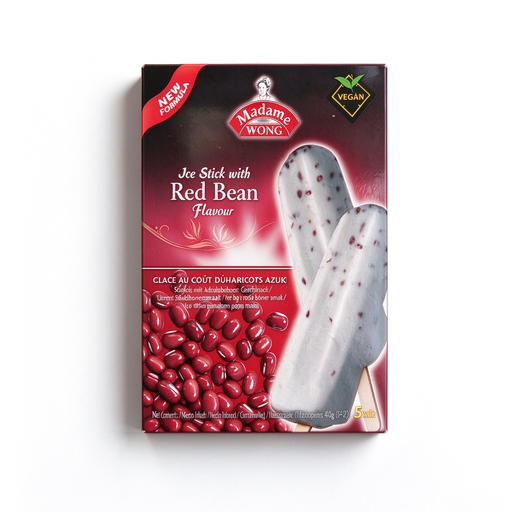 Image unavailable
This pack is ideal for serving frozen dessert in individual portions. It contains five 80 g ice lollies; if the ingredients are important to your choice, check the ingredients and allergen information on the pack.
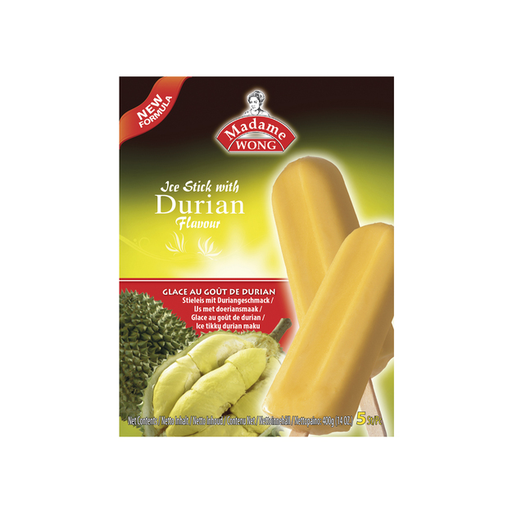 Image unavailable
Another individual-portion option for a dessert after the race. The pack contains five 80 g ice lollies; check the ingredients, allergens and storage instructions on the packaging.
Don’t choose an ice lolly as your main source of fuel just because it contains sugar. INSEP identifies carbohydrates as a source of fuel for exercise, but that doesn’t mean an ice lolly is suitable for this purpose. Keeping it cold during the race is also a challenge. Save it for a dessert after the event.
Check the number of lollies and the total weight or volume, then look at the size of each one and the ingredients. A pack of mini ice lollies and a pack of larger ones don’t offer the same portions, even if both are designed for sharing.
Yes: ‘plant-based’ doesn’t mean the recipe is free from allergens. For example, Magnum describes its Vegan Amande as a soya-based ice cream with almonds. Check the labelling on the exact product; the DGCCRF says allergens are highlighted on prepacked foods.
Pick them up last and keep them out of the cold for as little time as possible, following the storage temperature shown on the packaging. The DGCCRF warns that a rise in temperature can increase food-related risks.