
Same-day & Next-day Delivery

Quality Guaranteed

Unlock Your Welcome Offers: FREE Delivery | Up to 80% OFF | Free 30-day JoyPlus trial
Download the APP
Iced tea lends itself to many uses: a refreshing drink on the go, a supply for the whole family, a break at the office or a quick fix at home. But the differences between products don't stop at the flavour. The amount of sugar, the actual volume you're buying and the presence of sweeteners can also change the experience… and make a difference to the bill.
A peach, lemon or pomegranate iced tea may only contain a small proportion of juice, topped up with flavourings. That's not necessarily a bad thing, but you need to know how to read the label: fruit juice, tea extract and flavouring don't refer to the same ingredient.
Some products list just a few percent of juice, while instant mixes combine tea powder, fruit powder and flavourings. The taste will therefore be different from that of a ready-to-drink iced tea containing fruit juice.
A drink can show 0 g of sugars while still containing several sweeteners. For example, VITA 0 SUGAR LEMON TEA lists aspartame, acesulfame K and sucralose, along with a warning about the presence of a source of phenylalanine. For those who want to limit certain sweeteners, a careful read of the ingredients list is essential.
Conversely, a drink labelled "light" can still contain sugar. Start by checking the nutritional values per 100 ml, then work them out for the total volume of the bottle or can.
A pack of 24 cans of 330 ml gives you 7.92 litres, whereas a pack of six 250 ml cartons contains just 1.5 litres. The price per unit alone isn't enough to compare two offers. Work out the price per litre, check how much space you have in your cupboards and think about the weight of the parcel if you're ordering your iced tea online.
To compare two products, start by looking at the nutritional values per 100 ml:
Sold in 16 sachets of 15 g, COZY Lime Iced Tea shows 92.67 g of sugars per 100 g of powder. This information doesn't directly correspond to a glass of ready-to-drink tea: the amount you actually consume depends on the volume of water you add.
A ready-to-drink iced tea is particularly convenient for journeys, lunch or buying in bulk. 330 ml cans are ideal for individual consumption, while bottles and cartons are often better suited to home use.
Powdered iced tea simply needs a glass, some water and, if you like, a few ice cubes. It's easy to store before opening and lets you prepare exactly the amount you need at any time. However, follow the recommended dosage and, once prepared, keep the drink in the fridge according to the instructions on the packaging.
Peach iced tea offers a soft, fruity profile, while the lemon version brings a sharper, more tangy note. Pomegranate, lychee, passion fruit or citrus flavours will appeal more to fans of exotic recipes.
Also remember to check the base used: black tea, green tea, oolong or simply tea extract. After opening, seal the bottle or carton carefully and place it in the fridge. The storage time varies depending on the product: the instructions on the label are your best guide.
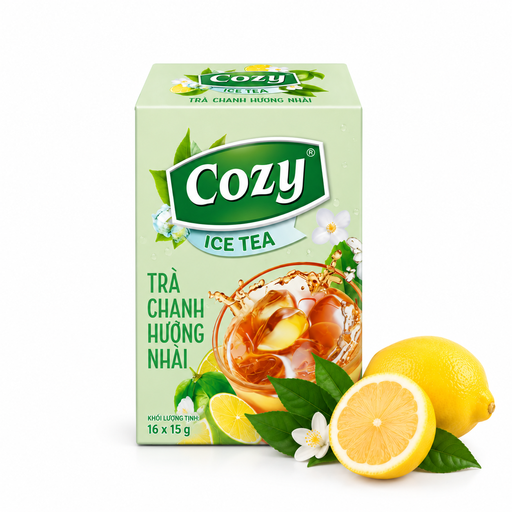
Why this choice suits this profile: The individual sachets let you try an instant mix without investing in a large pack of cans. The lime flavour offers a tangy alternative to traditional peach or lemon iced teas.
The 16-sachet format lets you see the quantity immediately and avoids cluttering your cupboards with several bottles. Preparation uses 100 to 150 ml of water per sachet.
16 sachets of 15 g, giving a net weight of 240 g, with preparation possible using either hot or cold water.
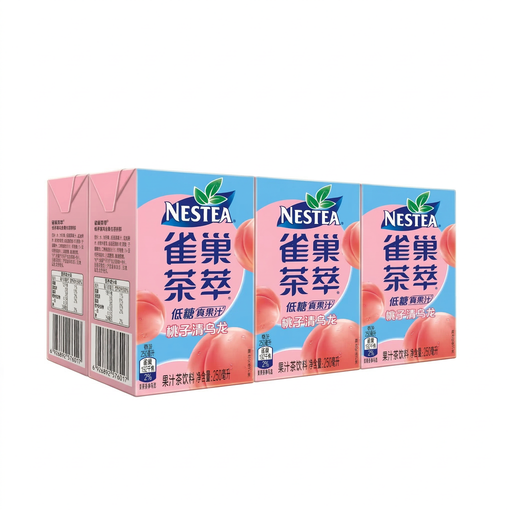
Why this choice suits this profile: This format combines oolong tea, peach and concentrated fruit juices in six individual bottles. It's best enjoyed well chilled and has a stated energy value of 18 kcal per 100 ml.
The product page states the declared juice percentage, the presence of a sweetener and the exact volume of each bottle.
6 bottles of 250 ml, instant oolong tea and concentrated apple and peach juices.
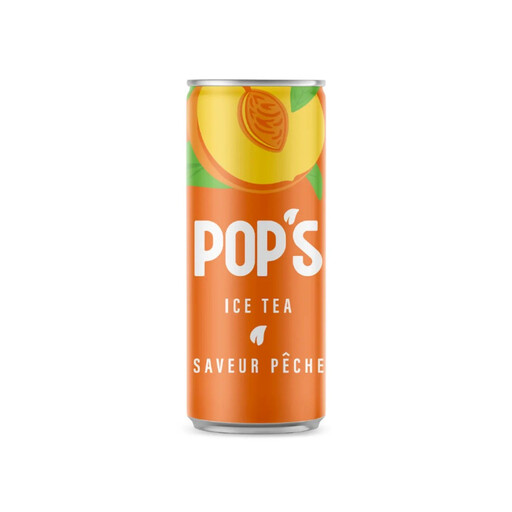
Why this choice suits this profile: With its 24 cans, this pack is ideal for offices, families and events where several individual portions need to be available straight away.
The total volume is clearly stated: 24 × 330 ml, i.e. 7.92 litres. The stated energy value is 26 kcal per 100 ml.
Individual format, peach flavour, black tea extract and manufactured in France.
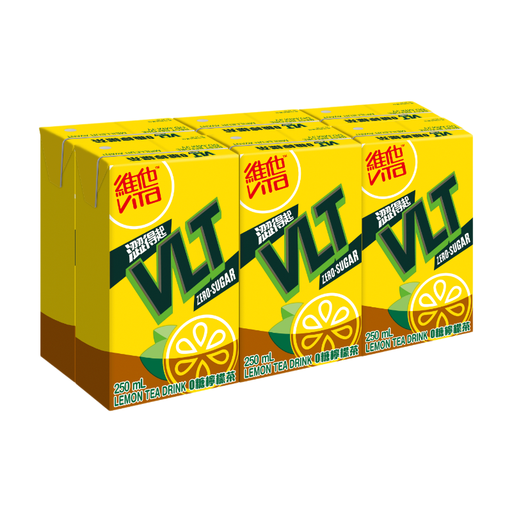
Why this choice suits this profile: This ready-to-drink lemon iced tea shows 0 kJ, 0 kcal and 0 g of sugars per 100 ml. It's aimed at people who want to avoid sugary drinks.
The energy value and sugar content are clearly stated. The sweeteners and the presence of a source of phenylalanine are also indicated.
6 cartons of 250 ml, black tea, concentrated lemon juice and immediate consumption with no preparation needed.
Compare the sugar content per 100 ml, the volume of each portion and the list of sweeteners. A sugar-free format may suit some habits, while a classic fruity recipe will generally be sweeter.
Pour the stated dose into a glass or jug, add the recommended volume of water, then stir until fully dissolved. Add a few ice cubes if you like. A homemade preparation should be kept in the fridge and consumed within the time stated by the manufacturer.
It all depends on the product. Some manufacturers recommend immediate consumption, while others allow two to four days in the fridge, or even longer. Always check the packaging, seal the container properly and don't drink the beverage if its appearance or smell has changed.