To keep the coffee flavour bold in a glass with ice or a splash of milk, make a short coffee using a bold blend, then add extras to taste. A ready-to-drink milk-based coffee saves you the preparation, but its ingredients may suit different preferences: check the coffee content, sugars, allergens and storage instructions. An intensity rating describes a range’s flavour profile, not the amount of caffeine in your glass.
Who are these options for?
Fans of bold-tasting iced coffee
If you want the coffee to remain the dominant flavour after adding ice or a splash of milk, making a base from bold-profile beans or capsules lets you control how much it is diluted. Carte Noire, for example, describes its Espresso Puissant beans as intensity 11/13 within its range.
People who prefer a drink they can take with them
An individual bottle means there’s no need to make and chill coffee before your afternoon break. For a milk-based drink, though, compare the ingredients and check the refrigeration and after-opening instructions.
Those who pay close attention to ingredients
If milk, sugars or caffeine influence your choice, read the label for the exact product. ‘Lactose-free’ does not mean ‘dairy-free’, while an intensity rating does not tell you how much caffeine is in a prepared serving.
What should you look for?
For an afternoon iced coffee, first decide whether you want a drink you prepare yourself or one that’s ready to drink. Then compare the flavour you’re after, the ingredients and any storage requirements.
Espresso, prepared and chilled
Choose this if: you want to control how much ice, water or milk you add to a bold-tasting coffee base.
Bear in mind: you’ll need beans to grind or capsules that suit your machine, as well as time to prepare your coffee.
Ready-to-drink milk-based coffee
Choose this if: you’d prefer a cold drink without having to brew coffee at snack time.
The trade-off: the proportions of milk, coffee and sugar are already set, so check the storage instructions too.
Milk-based cold brew
Choose this if: you’re after a milk-based coffee made with cold-brewed coffee rather than chilled espresso.
Check: the milk content and sugars if you’re mainly looking for a bold coffee flavour.
Concentrate to dilute
Choose this if: you want to control how much water or milk you add without making espresso for every glass.
Check: the concentrate’s ingredients, especially its sugars, and the storage instructions after opening.
| What to consider |
What to check |
Who it’s for |
| Bold flavour after chilling |
Compare the flavour profiles within the same range and choose a base whose strength you can adjust by diluting it. |
I still want to taste the coffee clearly once I’ve added ice or a splash of milk. Around 42% of consumers would put a bold flavour at the top of their wish list. |
| Ready to drink straight away |
Check the format and refrigeration instructions, particularly after opening. |
For a no-prep break, I’d rather have a ready-made serving, even if I can’t adjust the recipe myself. This convenience would come first for around 33% of consumers. |
| Ingredients and nutritional content |
Read the ingredients, allergens and sugar content per 100 ml and per serving. If you monitor your caffeine intake, look for product-specific information. |
Before choosing, I need to know what’s actually in my drink, especially if it contains milk or sugar. This would be the main priority for around 25% of consumers. |
Common misconceptions to avoid
-
Confusing intensity with caffeine content
A coffee’s intensity rating, such as the one used by Carte Noire, describes the flavour profile within that range. It doesn’t tell you how much caffeine is in your drink.
If you monitor your caffeine intake, look for the amount stated for the specific product and prepared serving rather than trying to convert its intensity rating into milligrams.
-
Expecting a milk-based drink to taste like a strong black coffee
Carrefour’s product listing for Starbucks Cappuccino 220 ml states that its ingredients include 75% milk and 19.3% Arabica coffee. Unlike coffee you make at home, you can’t adjust these proportions.
If you want the coffee flavour to come through strongly, make a separate coffee base and add the milk gradually.
-
Forgetting to compare sugar content
The word ‘coffee’ alone doesn’t tell you what’s in a milk-based drink or flavoured concentrate. Carrefour’s listing for Starbucks Cappuccino, for example, states that the ingredients include 4.5% sugar.
Compare the nutritional information per 100 ml and per serving you’ll actually drink, taking into account anything you add during preparation.
-
Assuming every format needs the same storage
Instructions vary by product. Auchan’s listing for Starbucks Caffè Latte allégé en sucres sans lactose says to keep it refrigerated and consume it immediately after opening.
If you’re choosing a format to use more than once, read the ‘after opening’ instructions on the pack.
Brands to consider by format
Carte Noire
Beans and capsules to consider if you’re making a coffee base to serve cold.
- Carte Noire describes its Espresso Puissant beans as a rich, bold-tasting Arabica and Robusta blend with an intensity rating of 11/13.
- This rating doesn’t tell you the caffeine content per serving. For capsules, check that the machine system listed for the product matches yours.
L'OR
A liquid concentrate for making iced coffee, with the flexibility to adjust what you add to your glass.
- Auchan’s listing for the caramel-flavoured concentrate suggests mixing 30 ml of concentrate with 150 ml of water or milk, to serve hot or cold.
- Before choosing this format, check the sugar content of the flavoured product and its storage instructions after opening.
Starbucks
Single-serve chilled milk-based drinks for when convenience matters more than adjusting the recipe.
- Carrefour’s listing for the 220 ml Cappuccino states that its ingredients include 75% milk and 19.3% Arabica coffee.
- This Cappuccino contains milk. Check the ingredients and storage instructions for each product.
Columbus Café & Co / Candia
A milk-based coffee that Auchan describes as being made with cold-brew-style coffee.
- This format gives you a cold drink that’s ready to serve, without having to make the coffee yourself.
- As this recipe contains milk, it’s different from a black coffee base. Read the ingredients if you’re looking for a particularly bold coffee flavour.
Coffee to prepare and serve cold
These beans, capsules and coffee pods let you make coffee and chill it for your afternoon break. First, choose a format that suits your equipment. Product-specific intensity ratings don’t let you compare caffeine content directly.
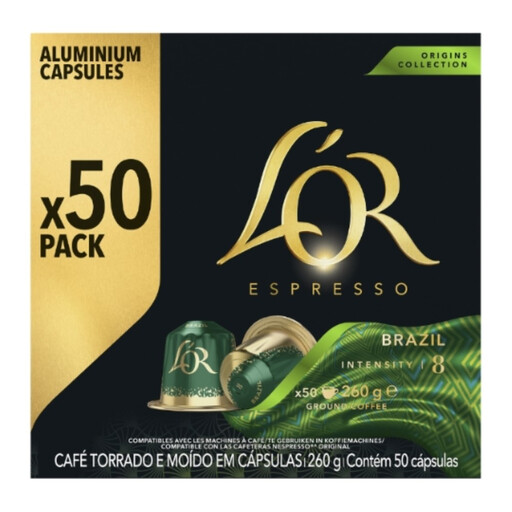 Image unavailable
L'OR Espresso Brazil x50
A capsule format to consider for making a coffee base to serve cold.
Check that these capsules are compatible with your machine before buying.
View on Joybuy
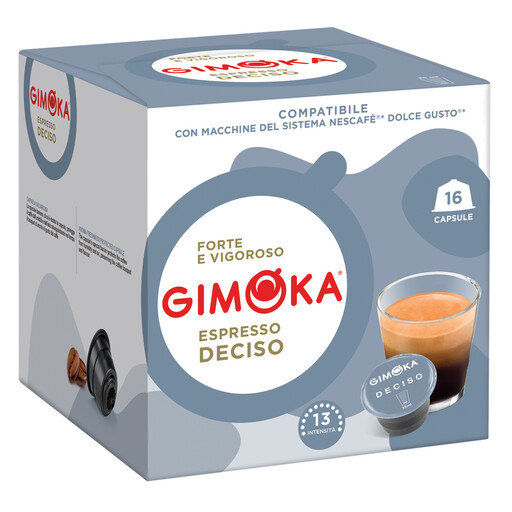 Image unavailable
GIMOKA Espresso Deciso, 16 Dolce Gusto capsules, 112 g
These capsules are suitable for making coffee to chill, as long as you use the specified system.
Pack of 16 capsules, 112 g; check compatibility with your Dolce Gusto machine model.
View on Joybuy
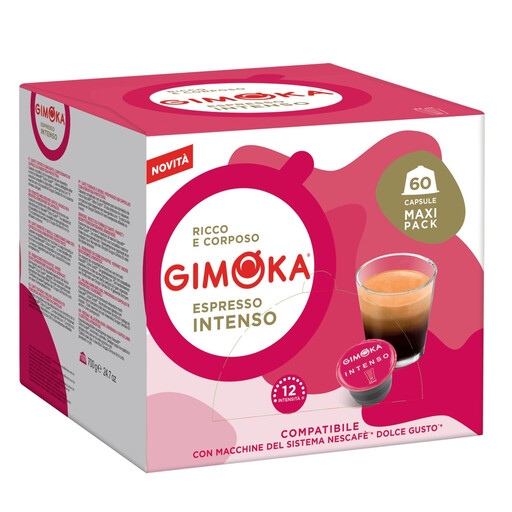 Image unavailable
GIMOKA Espresso Intenso, 60 Dolce Gusto capsules, 420 g
Another capsule espresso to prepare before adding ice or milk to taste.
Pack of 60 capsules, 420 g; check compatibility with your Dolce Gusto machine.
View on Joybuy
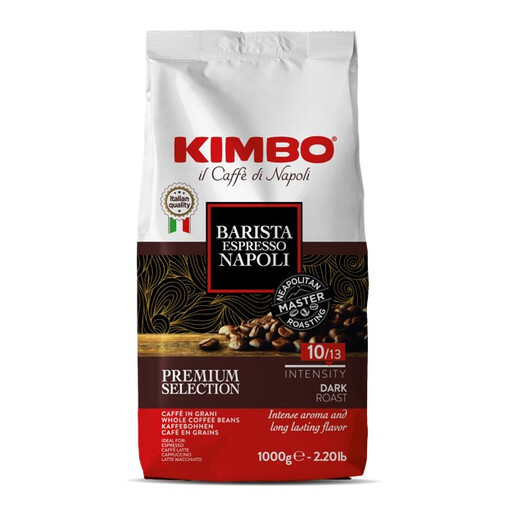 Image unavailable
KIMBO Barista Espresso Napoli beans, intensity 10/13, 1 kg
With whole beans, you can make coffee using a method that suits your equipment, then chill it.
Stated intensity: 10/13. You’ll need a grinder and equipment to make the coffee. This rating doesn’t tell you the caffeine content per cup.
View on Joybuy
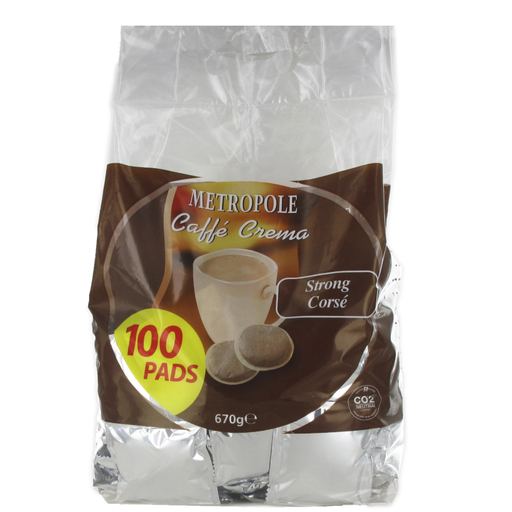 Image unavailable
METROPOLE Senseo Strong, 100 coffee pods
These coffee pods let you make coffee to chill, as long as you have a compatible machine.
Pack of 100 Senseo coffee pods. The word ‘Strong’ alone doesn’t tell you how concentrated the coffee will be or how much caffeine it contains.
View on Joybuy
Frequently asked questions
Does a high intensity rating mean more caffeine?
No. An intensity rating can’t tell you how much caffeine is in a glass. Carte Noire, for example, uses this rating to describe the flavour profile of its coffees. If caffeine content matters to you, look for information specific to the product and prepared serving.
How can I keep the coffee flavour bold when adding ice?
Make a bold-tasting coffee base and let it cool, then gradually add ice, water or milk to taste. This gives you control over what you add, unlike a ready-to-drink beverage with fixed proportions.
How long can I keep iced coffee after opening?
Follow the instructions on the pack for the product you’ve bought, as they vary from drink to drink. For example, Auchan’s listing for Starbucks Caffè Latte allégé en sucres sans lactose says to keep it refrigerated and consume it immediately after opening.
Is a ‘lactose-free’ coffee drink dairy-free?
No. ‘Lactose-free’ doesn’t mean ‘dairy-free’. If you need to avoid dairy, check the ingredients and allergens on the exact product packaging rather than relying on the drink’s name or lactose-free claim alone.


