Hosts who want to control the ingredients
If no added sugar is your top priority, making coffee with water means you can choose not to add sugar, syrup or a sweet topping. Just remember to allow time for it to brew.


If you want to make sure your iced coffee served at an apéritif contains no added sugar, prepare a cold brew in advance using just coffee and water, without adding sugar or syrup. A ready-to-drink milky coffee saves you the preparation, but ‘reduced sugar’ does not mean ‘no added sugar’: the Starbucks Caffè Latte listed by Auchan contains milk, a sweetener and 3.9 g of sugars per 100 ml. If you’re serving it late, bear the caffeine content in mind too.
If no added sugar is your top priority, making coffee with water means you can choose not to add sugar, syrup or a sweet topping. Just remember to allow time for it to brew.
An individual ready-to-drink beverage can make serving easier. Before choosing one for your guests, check the ingredients, nutritional information and storage instructions.
To choose a drink that suits your guests, check the dairy ingredients, any sweeteners and the caffeine content separately. ‘Lactose-free’, ‘reduced sugar’ and ‘no added sugar’ do not mean the same thing.
Choose this if: you want to make your own coffee-and-water recipe without adding anything sweet.
Bear in mind: the method described by Carte Noire requires 18 to 20 hours of brewing in the fridge.
Choose this if: serving straight away is the priority and the ingredients are suitable for your guests.
Check: the reduced-sugar Starbucks Caffè Latte listed by Carrefour and Auchan contains milk and acesulfame-K. The claim does not guarantee that no sugars have been added.
Consider this if: you’d prefer to make several glasses from a cold coffee concentrate.
Check: the ingredients and dilution instructions for your chosen product before serving it without adding anything sweet.
| What to consider | What to check | Who is it for? |
|---|---|---|
| No added sugar | Read the ingredients to spot added sweeteners, and distinguish the claim from the ‘of which sugars’ line. | I want to know exactly what’s in the drink I’m serving, rather than relying on the ‘reduced sugar’ claim alone. Around 33% of consumers make this their top priority. |
| Ready to serve straight away | Compare the pack size, number of servings needed and storage instructions. | If my guests are arriving soon, I’d rather serve a drink that doesn’t need time to brew. This comes ahead of other considerations for around 27% of consumers. |
| Milk and sweeteners | Check for dairy ingredients, the ‘lactose-free’ claim and any sweeteners. | When I’m preparing several drinks for my guests, I need to distinguish between being lactose-free and being milk-free, and spot any sweeteners. Around 20% of consumers prioritise this compatibility. |
| Caffeine in the evening | Check the caffeine content if it’s given, and take into account any other caffeinated products consumed. | If the apéritif is going on late, I want to consider how sensitive my guests are to caffeine before offering them more coffee. This is the main concern for around 20% of consumers. |
These claims answer different questions. The Starbucks Caffè Latte listed by Auchan contains 3.9 g of sugars per 100 ml. This figure alone doesn’t tell you whether sugars have been added, particularly as the drink contains milk.
If you need to avoid added sugar, check the exact wording, the ingredients list and the ‘of which sugars’ line. Look for sweeteners too if you want to avoid those as well.
The lactose-free Starbucks Caffè Latte listed by Carrefour contains milk. So ‘lactose-free’ alone isn’t enough if you need to avoid this ingredient.
If a guest needs to avoid milk, check the ingredients and allergen information for the specific product.
An individual bottle and a concentrate to dilute are served differently. The size of the container alone won’t tell you how many glasses you can make.
Work out how many servings you need, then check the volume. For a concentrate, also check the dilution instructions and ingredients.
Buying several individual bottles means more packaging to manage and keep chilled; a concentrate needs preparing before you serve it.
Caffeine does not cancel out the effects of alcohol. Anses also states that it can delay falling asleep, and specifically warns against combining energy drinks with alcohol.
For a late-night apéritif, offer water and a non-caffeinated drink too. Don’t present iced coffee as a way to counteract alcohol.
The retailer lists ready-to-drink coffee beverages and concentrates to dilute.
The retailer lists, among other products, the reduced-sugar, lactose-free Starbucks Caffè Latte in a 22 cl pack.
The retailer lists ground and whole-bean coffee for making at home.
Check the retailer’s drinks aisle when shopping locally.
Aldi France lists a product page for Barissimo instant iced coffee.
The brand offers coffee for making at home and describes a cold-brew method using coffee and water.
These products are intended for making coffee in advance to serve chilled, or offer coffee formats worth considering for serving. For packaged drinks and portions, check the preparation and serving instructions, as well as the ingredients for the variant you choose, before planning to serve it at your apéritif.
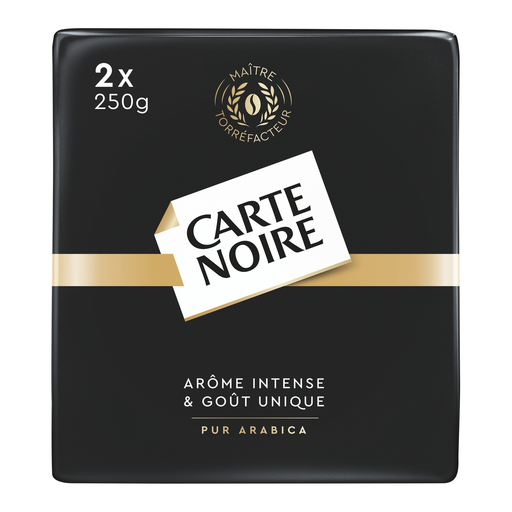 Image unavailable
This ground coffee is suitable for making at home with water if you choose not to add anything sweet. For a cold brew made using the Carte Noire method, allow 18 to 20 hours for brewing in the fridge.
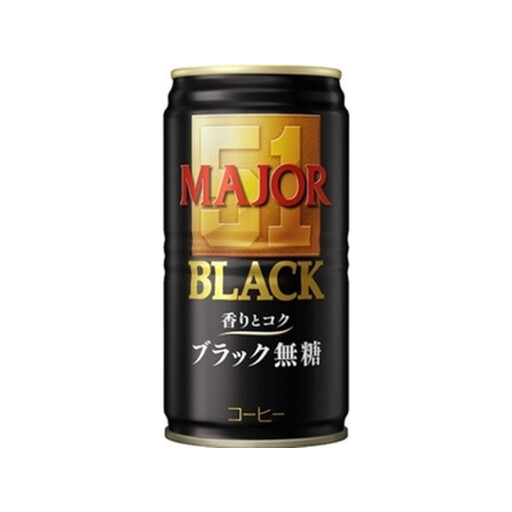 Image unavailable
This packaged coffee may be worth considering if you’d prefer a ready-made drink to brewing coffee the night before. Before choosing it for your apéritif, check the ingredients, instructions for serving it cold and caffeine content if you’re serving it late.
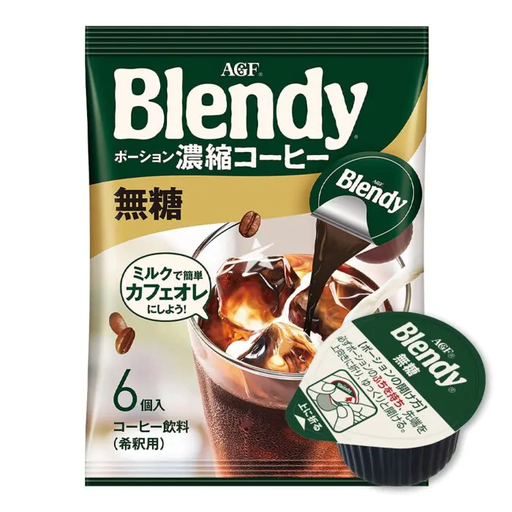 Image unavailable
This pack of six portions may suit anyone looking to make several glasses. Check the full label to find out how to serve each portion chilled and how to interpret the sugar information before choosing it for a no-added-sugar recipe.
No, these claims aren’t interchangeable. To choose iced coffee with no added sugar, check the exact claim and the ingredients list. The ‘of which sugars’ line also includes naturally occurring sugars, including those in milk.
The ‘reduced sugar’ claim alone isn’t enough to choose it on this basis. Carrefour and Auchan product listings show milk, acesulfame-K and 3.9 g of sugars per 100 ml. Check the ingredients for the specific product before deciding whether it meets your needs.
You can brew ground coffee in water without adding sugar or syrup. Carte Noire’s cold-brew method calls for one measure of coffee to five measures of water, brewed in the fridge for 18 to 20 hours. Make sure you prepare it ahead of Friday evening.
Consider how much caffeine your guests have already had and how it may affect their sleep: according to Anses, caffeine can delay falling asleep. Anses also warns against combining energy drinks with alcohol; this warning should not be presented as a specific conclusion about all iced coffees.