Households sharing several frozen treats
If several people will be having ice lollies during the week, count how many you’ll need and check the net weight and the space available in your freezer.


For your weekly shop, choose the number of portions based on what your household can share and store in the freezer, then compare the boxes by their flavours and ingredients. A large selection is a good choice when you need more portions; a pack of mini ice lollies lets you offer a choice of recipes or smaller portions. For a lunchbox, size alone isn’t enough: you’ll need to keep the lollies frozen while they’re being transported and stored.
If several people will be having ice lollies during the week, count how many you’ll need and check the net weight and the space available in your freezer.
A selection of mini ice lollies lets you offer several recipes in one box. Before you choose, though, check how many of each flavour are included.
If you need to avoid an ingredient, check the allergens and details for each recipe. You can also compare the nutritional information per 100 g or 100 ml, depending on the unit shown.
| Criteria | What to check | Who it’s for |
|---|---|---|
| Number of portions to share | Count the ice lollies and compare the net weight with the space available in your freezer. | When several people will be helping themselves throughout the week, I want a box with enough for the occasions we plan to share them. Around 36% of consumers prioritise quantity. |
| Flavours and portion size | Check which recipes are included and the volume or weight of each ice lolly. | If people at home like different flavours, I’d prefer to offer a choice of recipes without buying several boxes. Around 29% of consumers prioritise variety or a mini format over other criteria. |
| Ingredients and nutritional information | Read the allergens for each recipe and compare the nutritional values per 100 g or 100 ml, as shown on the label. | If I need to avoid an ingredient, the ingredients in each flavour determine my choice. Around 21% of consumers make this their top priority. |
| Storage and transport | Make sure you have space in the freezer and can keep the product frozen on the way home. | If I’m planning to take an ice lolly with me, I need to be able to keep it cold during transport and while I wait. Around 14% of consumers put this planning first. |
The number of ice lollies doesn’t tell you whether everyone will like the flavours or portion sizes. A large box also needs plenty of freezer space.
Compare the number of ice lollies, net weight, recipes and ingredients, then make sure you can store the whole box properly.
A gluten-free claim doesn’t tell you about other ingredients. Carrefour’s product information for Solero Exotic and Berry Bliss mini ice lollies lists milk, lactose and milk proteins.
If you have an allergy or intolerance, read the ingredients list, highlighted allergens and warnings on the specific box you’re buying.
An ice lolly is a frozen product, and an ordinary lunchbox won’t keep it frozen all day. The DGCCRF recommends storing ice cream at −18 °C and advises against refreezing food once it has thawed.
Pick up frozen food at the end of your shop, keep the journey short and use an insulated bag if possible. Only plan to take an ice lolly away from home if you can keep it frozen until you eat it or put it in a freezer.
Magnum offers a selection of six 55 ml mini ice lollies, with Classic, Almond and White Chocolate recipes.
Carrefour’s range includes an Extra selection of eight mini ice lollies and a Classic' box of twelve chocolate and vanilla ice lollies.
Auchan offers a selection of eight mini ice lollies, with a net weight of 258 g.
The Mini Exotic and Berry Bliss selection contains six 50 ml ice lollies. Carrefour’s product information describes it as ‘gluten-free’.
E.Leclerc offers a Smicy selection of twenty sticks weighing 850 g.
These boxes contain between eight and twelve individual ice lollies. Some offer a choice of flavours, while the two Melona options each contain just one recipe. Choose according to the portions you want to share and the ingredients that suit your household. Whichever box you choose, you’ll still need to keep the ice lollies cold during transport.
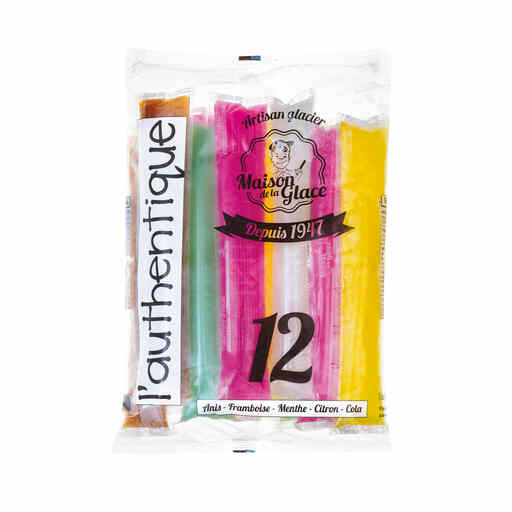 Image unavailable
A good choice for sharing several portions and trying different flavours: the box contains twelve ice lollies in five flavours. Check the allergen information on the exact packaging before serving.
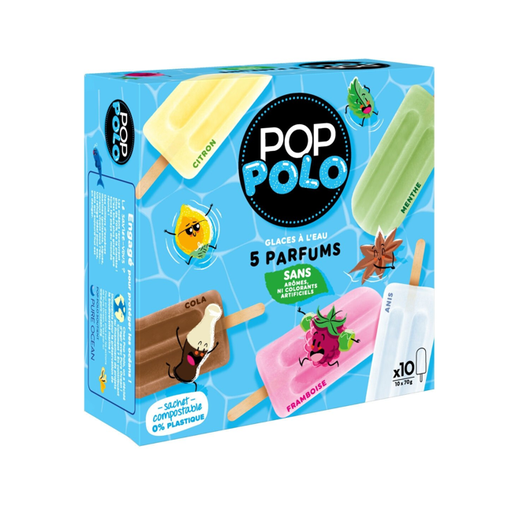 Image unavailable
A handy way to have several portions with a choice of flavours: this pack contains ten ice lollies in five flavours. Store at −18 °C and don’t refreeze the product once it has thawed.
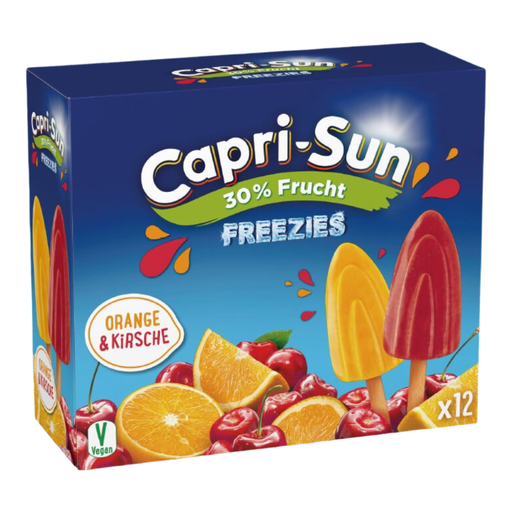 Image unavailable
A box of twelve portions in orange and cherry flavours. Traces of gluten, peanuts, soya, milk and nuts are listed: check the label if you have an allergy.
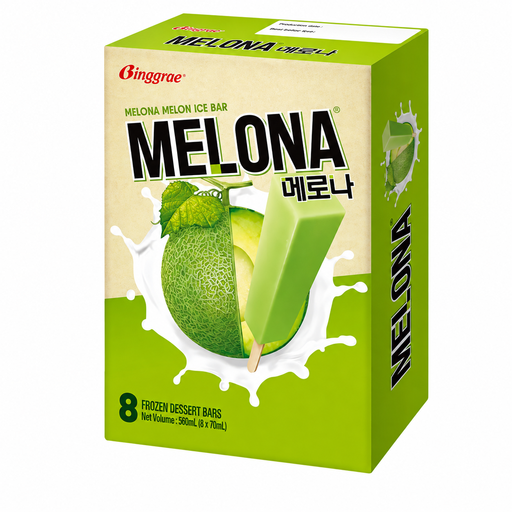 Image unavailable
A box of eight ice lollies for sharing when everyone likes melon, rather than a selection of flavours. This product contains milk. Check the warning about the colour E102 on the label too, especially if you’re buying it for children.
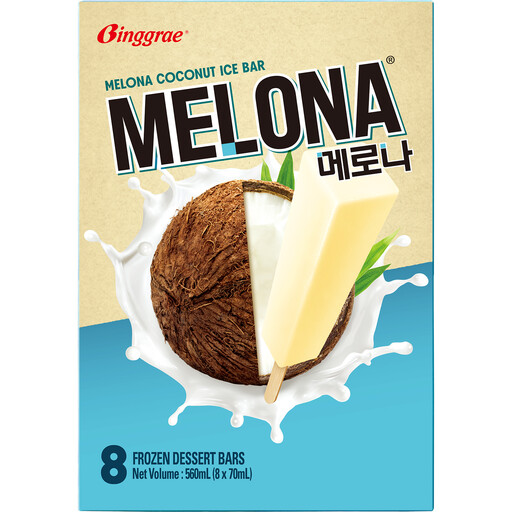 Image unavailable
A box of eight coconut-flavoured portions, without the need to choose several recipes in one box. If ingredients or allergens affect your choice, check the packaging for this product before buying.
First, count how many portions you need, then compare the net weight of the boxes. The DGCCRF says nutritional values are given per 100 g or 100 ml, so use the same unit when comparing two products.
No. ‘Gluten-free’ doesn’t mean ‘milk-free’. Carrefour’s product information for Solero Exotic and Berry Bliss mini ice lollies lists milk, lactose and milk proteins. Always check the specific box you’re buying.
Not in an ordinary lunchbox that can’t keep it frozen. The DGCCRF says ice cream should be stored at −18 °C and recommends keeping transport time to a minimum, preferably using an insulated bag. Food that has thawed shouldn’t be refrozen.
Check the number of pieces, net quantity, ingredients list, allergens and storage instructions for the product you’ve chosen. The DGCCRF specifies that allergens must be highlighted on prepacked food and that nutritional information is given per 100 g or 100 ml, depending on the product.