Runners planning their fuelling
You’re looking for carbohydrates to take during a marathon in a portable format that fits your hydration plan. As World Athletics recommends, it’s worth checking how well you tolerate it during training.


An individual ice lolly isn’t a practical substitute for planned carbohydrate intake during a marathon: it needs to stay frozen, while your race fuelling needs to account for duration, hydration and digestive tolerance. World Athletics recommends following a plan you’ve tested in training. Save the ice lolly for dessert after your run, choosing one that suits your portion preferences, ingredients and storage requirements.
You’re looking for carbohydrates to take during a marathon in a portable format that fits your hydration plan. As World Athletics recommends, it’s worth checking how well you tolerate it during training.
You fancy an ice lolly after your run, without relying on it to fuel you during the race.
You’re comparing mini, fruity or chocolate options by looking at the portion you’ll eat, the nutritional information and the allergens in the exact recipe.
First decide whether you want something to eat during the race or a dessert afterwards: the transport, storage and ingredient requirements are different.
| Criteria | What to check | Who it’s for |
|---|---|---|
| Fuelling during the race | Check the carbohydrates per portion and how the product fits into a plan you’ve tested in training, alongside your chosen drink. World Athletics recommends 30 to 60 g of carbohydrates per hour for exercise lasting 1 to 2.5 hours, and up to 90 g per hour for longer efforts, depending on your individual plan. | If I need to eat during the race, I first look for a source of carbohydrates I can carry and tolerate. Around 50% of consumers would prioritise this fuelling need. |
| Dessert after your run | Compare the size of the ice lolly and the nutritional information per portion. Make sure you can keep it frozen until you’re ready to eat it. | After the race, I’m mainly looking for a refreshing individual treat, not something to rely on for fuelling. This post-run treat would be a priority for around 30% of consumers. |
| Portion and ingredients | Read the nutritional information per portion or per 100 g, then check the ingredients list and allergen information for the exact flavour. | When choosing my dessert, I need to know how much I’ll eat and which ingredients are relevant to me. Around 20% of consumers would put checking portion size and ingredients first. |
A sweet food won’t necessarily provide the planned amount of carbohydrates in a convenient format. World Athletics recommends tailoring your plan to the duration of your effort and testing it in training.
For your race, plan to use drinks, gels or other portable carbohydrate products that you’ve already tolerated. Save the ice lolly for dessert if you fancy one.
The weight of a portion and the nutritional information per 100 g answer two different questions. Carrefour France lists 32 g ice lollies in its Carrefour Extra Mini range, with 23 g of fat per 100 g.
Compare the portion you’ll actually eat. If the information is only given per 100 g, take the weight of the ice lolly into account.
Ingredients vary between recipes. Magnum states that Mini Classic contains milk and may contain traces of nuts. Carrefour France’s NUII Brazil Nut Chocolate product listing mentions milk, soya, cereals containing gluten and nuts, among other ingredients.
Check the ingredients list and any ‘may contain’ information on the packaging of the exact flavour and size you buy.
An ice lolly needs to be kept cold, which isn’t practical in a running pocket. Carrefour France states that the frozen products mentioned should be stored at −18 °C.
Choose a time to eat it when you can store the product as instructed on the packaging. For your run, use the portable fuelling products you’ve planned for.
The range includes chocolate-covered ice lollies in different sizes, including Mini Classic and Double Chocolate.
The Exotic Fruits flavour is a fruity ice lolly to enjoy as a dessert rather than as something to fuel your run.
The Mini range includes ice lollies weighing 32 g each.
The Brazil Nut Chocolate flavour combines chocolate ice cream with ingredients containing nuts.
The fruit purée pouch is an option to consider when planning your race fuelling. The individual ice lollies and ice creams are for when you fancy dessert after your run, provided you can keep them frozen. No single product can define your fuelling plan.
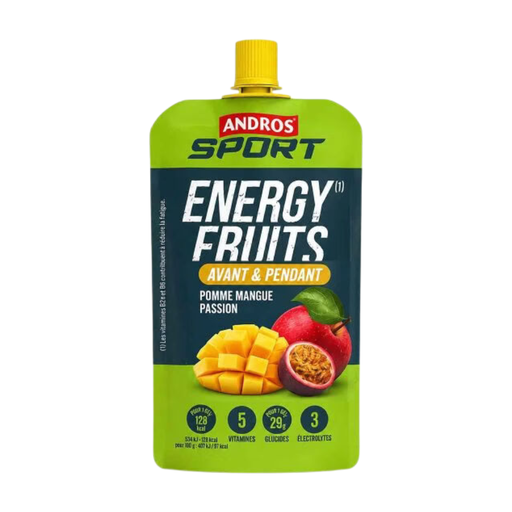 Image unavailable
A fruit purée pouch to consider for fuelling during your run, after checking its ingredients and how it fits into a plan you’ve tested in training.
Mango flavour; pack of 18 × 114 g pouches. This isn’t an ice lolly.
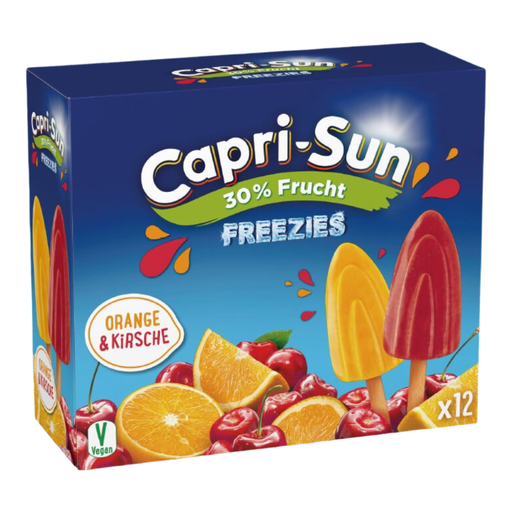 Image unavailable
Individual ice lollies for a post-run treat, if you have a way to keep them frozen.
Orange and cherry flavours; pack of 12, with a stated total weight of 444 g. Check the ingredients and allergens on the exact product packaging.
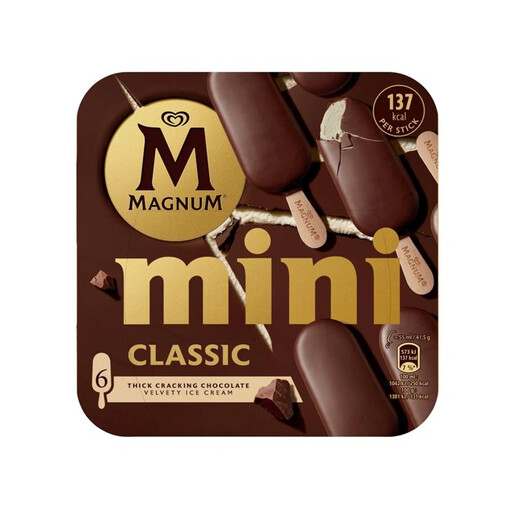 Image unavailable
A mini chocolate-covered treat for dessert after your run, rather than for fuelling during it.
For a 55 ml Mini Classic, Magnum lists 137 kcal, 13 g of carbohydrates and 8.7 g of fat per portion. The recipe contains milk and may contain traces of nuts, so check the label on the pack you choose.
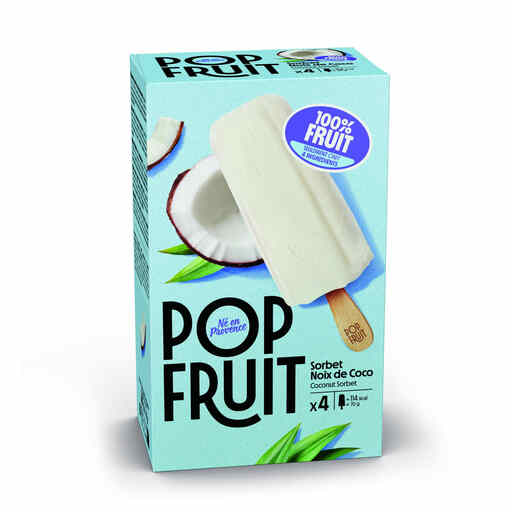 Image unavailable
An individual ice lolly to enjoy as a dessert after your run when you can keep it frozen.
Coconut flavour; four 70 g ice lollies. Check the packaging for ingredients and allergens for this product.
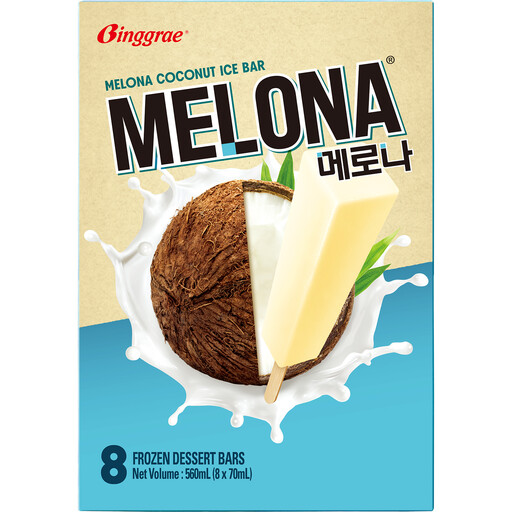 Image unavailable
Individual ice lollies for dessert after your run. Keep them in the freezer until you’re ready to eat them.
Coconut flavour; eight 70 ml ice lollies. Check the packaging for ingredients, allergens and nutritional information for the portion size.
Not as a direct replacement for your planned fuelling. World Athletics recommends planning your carbohydrate intake around the duration of your effort and your individual tolerance. Magnum lists 13 g of carbohydrates in a 55 ml Mini Classic, which also needs to stay frozen. Check how each product fits into a plan you’ve tested in training.
First compare the nutritional information for the portion you’ll eat, taking its size into account. Carrefour France lists 98 kcal and 2.3 g of fat for a 90 ml Solero Exotic Fruits, compared with 234 kcal and 14 g of fat for an 85 ml Magnum Double Chocolate. These figures relate to two different recipes and portion sizes, and don’t determine by themselves which one is right for you.
Read the ingredients list and allergen information on the packaging for the exact product, including any ‘may contain’ warnings. Recipes can vary by flavour and size, so don’t assume one ice lolly has the same ingredients as another product from the same brand.
A running pocket won’t keep an ice lolly frozen. Follow the storage instructions on the packaging; Carrefour France specifies −18 °C for the frozen products mentioned. For your marathon, it’s better to plan to use the portable fuelling products in your race plan.