People looking to limit added sugars
You’re looking first for a recipe labelled “no added sugar”, without assuming it contains no sugar at all. The “of which sugars” line then lets you compare ice lollies per portion.


When choosing an ice lolly as part of your weight management approach, don’t rely on the words “sugar-free” or “no added sugar” alone. Compare the energy and sugars in the portion you’ll eat, then check the ingredients. The two Auchan fruit ice lollies labelled “no added sugar” contain 56 or 57 kcal and 10 or 11 g of sugars per 60 g lolly, so the claim doesn’t mean “sugar-free”. Nor is a sweetened product, on its own, a weight-control strategy.
You’re looking first for a recipe labelled “no added sugar”, without assuming it contains no sugar at all. The “of which sugars” line then lets you compare ice lollies per portion.
You want to know what’s in a whole ice lolly, rather than stopping at a value per 100 g. Portion weight matters when interpreting nutrition information.
You prefer to check the full recipe before choosing a sweetened product to manage your weight. Anses has found no proven benefit of intense sweeteners for weight control.
Start with the portion you plan to eat, then distinguish between the sugars declared, the “no added sugar” claim and any sweeteners present.
| Criteria | What to check | Which consumers is this for? |
|---|---|---|
| Energy and portion | Check the energy in the whole ice lolly and its weight or volume. A value per 100 g or 100 ml doesn’t, by itself, tell you about the portion you’ll eat. | If I’m comparing ice lollies in different sizes, I want to know the energy in the one I’ll eat. Around 42% of consumers would put energy per portion at the top of their list of criteria. |
| Sugars and ingredients | Distinguish “no added sugar” from the “of which sugars” line, then read the ingredients list for your chosen flavour. | I want to avoid added sugars without mistaking a fruit recipe for a sugar-free product. For around 33% of consumers, understanding this distinction would be the priority. |
| Sweeteners | Check whether they’re listed in the ingredients of the exact product, and compare its energy, sugars and portion too. | Before choosing a sweetened ice lolly to manage my weight, I want to know what’s in the recipe without expecting an automatic effect. This caution would be a priority for around 25% of consumers. |
According to Auchan’s product pages, its strawberry and mango-passion fruit ice lollies are labelled “no added sugar”, but contain 10 and 11 g of sugars respectively per 60 g lolly.
As well as checking the claim on the packaging, compare the “of which sugars” and energy figures for the whole ice lolly.
The World Health Organization conditionally recommends against using non-sugar sweeteners for weight control. Anses has found no proven benefit of intense sweeteners for this purpose.
Check the portion and nutrition information for the product you choose, rather than assuming that sweeteners will have an effect.
Auchan’s product pages for the two fruit flavours warn that traces of allergens may be present and give storage instructions specific to these products.
Check the packaging for the flavour you buy, particularly the traces information and instructions on defrosting.
Auchan offers two 100% fruit ice lollies labelled “no added sugar”: strawberry and mango-passion fruit, sold in boxes of four 240 g lollies.
Carrefour offers a “No added sugar” filter in its search results for frozen products.
E.Leclerc offers a range of own-brand ice creams and frozen desserts.
ALDI offers ice creams and sorbets under the MUCCI brand, including mini ice lollies and double-coated lollies.
Magnum is a brand of ice lollies. Compare each recipe and size individually.
These ice lollies and sorbets let you compare different sizes and recipes as part of the same choice. Their inclusion here doesn’t mean they’re labelled “no added sugar”: check the claim and nutrition information for the product you’re interested in.
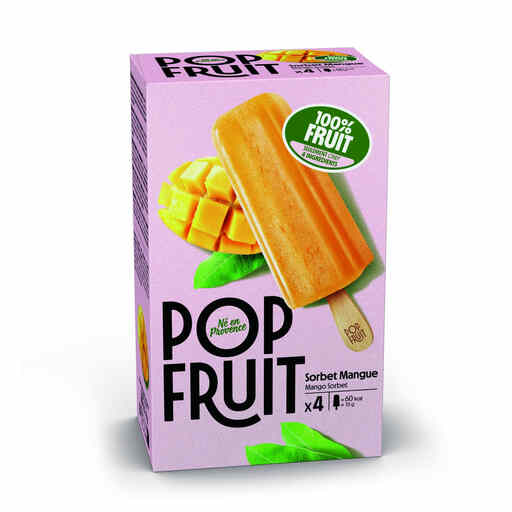 Image unavailable
A sorbet ice lolly to consider if you’re comparing fruit-based recipes. The box contains four ice lollies, with a stated total weight of 280 g. Before choosing it to suit a “no added sugar” preference, check the sugars, energy and ingredients per portion.
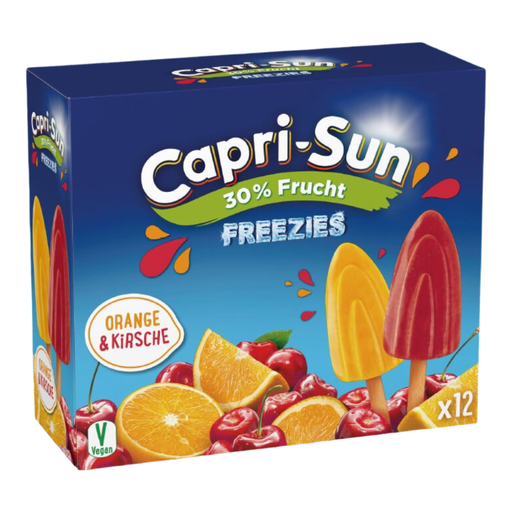 Image unavailable
These twelve orange and cherry ice lollies give you a size to compare with other boxes. If you’re looking to limit added sugars, check the ingredients list and relate the nutrition information to the number of lollies you’ll eat.
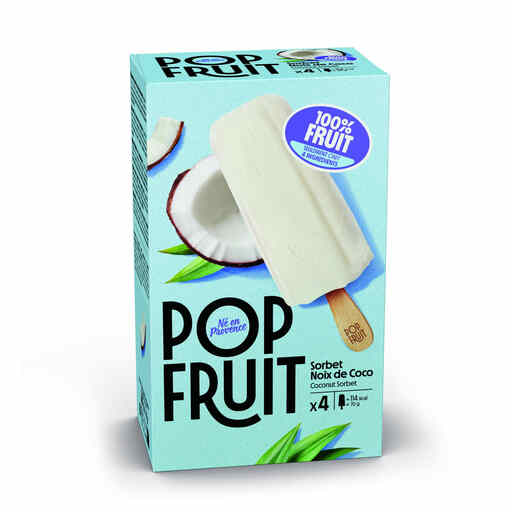 Image unavailable
This coconut variant comes in a box of four ice lollies, weighing 280 g in total. Compare its recipe and values per lolly with the Mango variant: sharing a range name doesn’t guarantee the same ingredients or nutrition values.
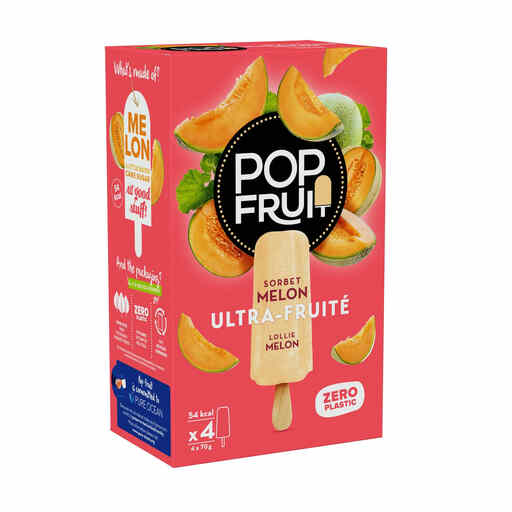 Image unavailable
This melon-flavoured sorbet comes in a box of four ice lollies, weighing 280 g in total. To see if it suits your preferences around sugars, check the ingredients and values per portion. Also check the storage instructions on the packaging of the product you buy.
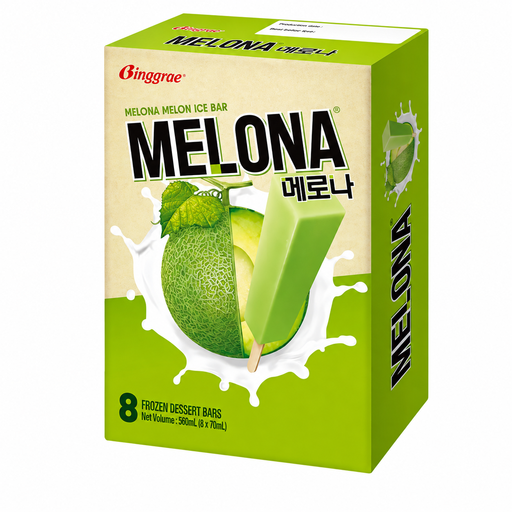 Image unavailable
The box contains eight melon-flavoured ice lollies, each measuring 70 ml. If the nutrition values are given per 100 ml, take the volume of each lolly into account before comparing them with another portion. Also check the ingredients and allergen information on the packaging.
No. Auchan’s product pages list 10 g of sugars in a 60 g strawberry ice lolly and 11 g in a 60 g mango-passion fruit lolly, both labelled “no added sugar”. Check the “of which sugars” line and the ingredients for your chosen flavour.
No. The World Health Organization conditionally recommends against using non-sugar sweeteners for weight control; Anses has found no proven benefit of intense sweeteners for this purpose. Compare the product and its portion without assuming that this ingredient alone will have an effect.
Read the ingredients list and any traces information on the packaging for the exact recipe. Auchan specifically warns that its two fruit ice lollies mentioned here may contain traces of cereals containing gluten, peanuts and nuts. This information doesn’t apply to other ice creams.
Their product pages say to store them in the freezer at −18 °C until the date shown on the packaging, and not to refreeze them once thawed. Follow the instructions for the product you’ve bought.