People who want to define their sweet treat
You’re looking for a clearly sized portion, so you can compare what you’ll actually eat rather than relying on the flavour alone.


When choosing an ice lolly as part of your approach to weight management, check the energy content for the lolly you plan to eat, then compare sugars and saturated fat in similar recipes. A mini size means a smaller portion, but it doesn’t tell you what the recipe contains: check the nutrition information, allergens and, where shown, the Nutri-Score.
You’re looking for a clearly sized portion, so you can compare what you’ll actually eat rather than relying on the flavour alone.
You want to compare a mini lolly with a standard size, taking into account the energy, sugars and saturated fat per lolly.
You need to check the ingredients for the exact flavour: the recipes featured may contain milk, soya or almonds, for example, and some may warn of possible traces of other allergens.
Start with the portion you’ll actually eat. Then check the ingredients in comparable recipes and any dietary restrictions that matter to you. Nutrition information per 100 g isn’t a substitute for information per lolly.
| Criteria | What to check | Who it matters to |
|---|---|---|
| Portion and energy | Number of lollies and amount per lolly; energy per portion, or the figure per 100 g or 100 ml, which you can relate to your portion. | For a solo treat, I want to know what the whole lolly contains, even if it’s sold in a multipack. Around 42% of consumers put portion size and energy content at the top of their list. |
| Nutrition information | Sugars and saturated fat on the same basis for comparison; Nutri-Score, if shown, between comparable products. | If I choose a chocolate or fruit flavour, the flavour alone doesn’t tell me about its nutritional content. Around 33% of consumers put nutrition comparisons first. |
| Allergens and storage | Ingredients and possible trace warnings for the exact flavour; storage instructions and keeping the cold chain intact. | Before choosing an assortment, I need to be able to check every recipe and store the lollies as directed on the packaging. For around 25% of consumers, whether the recipe suits their needs and these precautions come first. |
Manger Bouger presents the ingredients list and nutrition information as useful points of reference when reading a label. For processed foods, Nutri-Score can help you compare products in the same category, but it doesn’t tell you how much you’ll eat.
A smaller lolly and a recipe with less energy per 100 g are two different things. Carrefour lists 312 kcal per 100 g for its Carrefour Extra vanilla, chocolate and almond mini lollies.
Compare both the figure per 100 g and the figure for the lolly you’ll eat. If only the total amount in the box is shown, use the number of lollies to work out the portion size.
Two fruit or chocolate lollies can differ in size, ingredients and nutrition information. A promotional slogan won’t tell you about these differences.
Read the ingredients list and nutrition information for the exact variant. Where available, use Nutri-Score as an additional guide when comparing similar products.
Milk, soya, almonds and possible trace warnings vary between recipes. Knowing one product from a brand isn’t enough to choose another.
Check the ingredients and allergen information on the packaging for the flavour you’re buying, including in an assorted box.
The DGCCRF advises that a rise in temperature speeds up microbial growth. That means transport matters, whether you’re collecting your shopping or having it delivered.
Keep time out of the freezer to a minimum and follow the storage temperatures and instructions on the packaging. If you’re unsure whether the cold chain has been maintained, don’t rely on appearance alone.
The range includes ice lollies and mini lollies in several recipes; their portion sizes aren’t interchangeable.
The range includes a box of six vanilla, chocolate and almond mini lollies.
The range includes fruit-flavoured mini lollies made with milk.
The MUCCI frozen dessert range includes boxes of mini lollies as well as lollies with a double coating.
These products are ice lollies or ice pops sold in multipacks. For a solo treat, compare the amount in the lolly you choose and its recipe: the number of lollies in a box doesn’t, by itself, tell you their nutritional content.
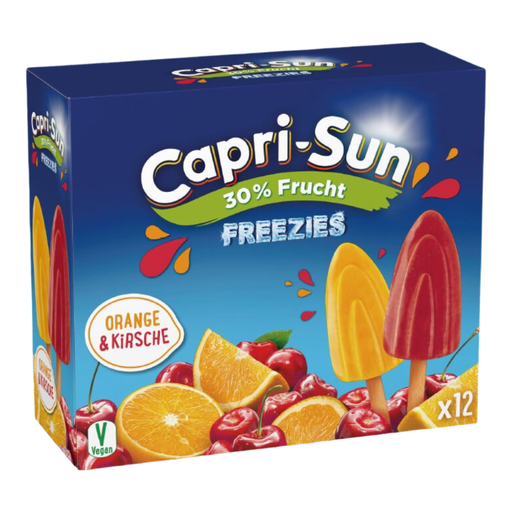 Image unavailable
If you’re having one lolly as a treat, this multipack makes it easy to distinguish the portion you’ll eat from the whole box.
The box contains 12 lollies and weighs 444 g. Check the nutrition information per lolly and any trace warnings on the packaging of the product you buy.
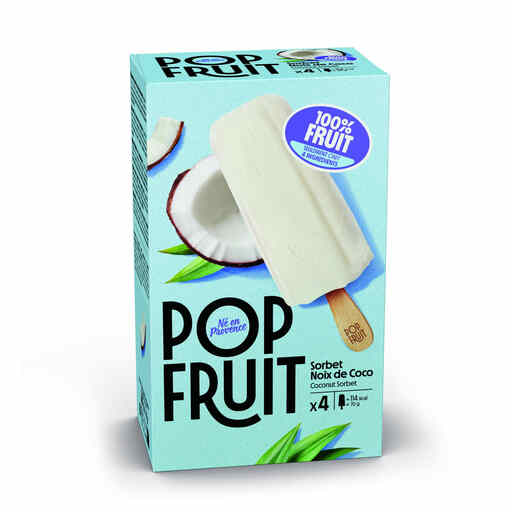 Image unavailable
If you choose an ice pop as an individual portion, compare its ingredients with those of the other recipes you’re considering, too.
The box contains four ice pops and weighs 280 g. Check the sugars, saturated fat and allergen information for the variant you buy.
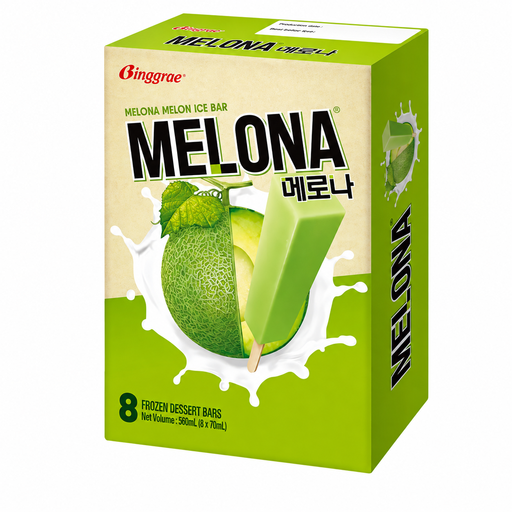 Image unavailable
The volume of each lolly is shown, so you can relate nutrition information per 100 ml to an individual lolly.
The pack contains eight 70 ml lollies. Check the ingredients list if milk or another ingredient is important to your choice.
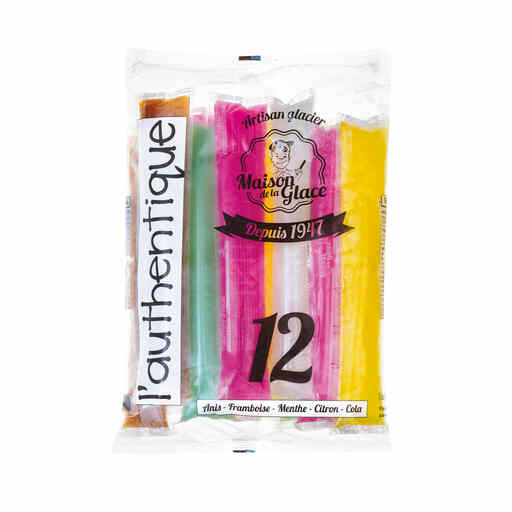 Image unavailable
If you want a selection of flavours in one box, compare the nutrition information for the flavour you’ll be eating.
The pack contains 12 lollies and weighs 1 200 g. Before comparing one portion with another, check the amount and nutrition information per lolly on the packaging.
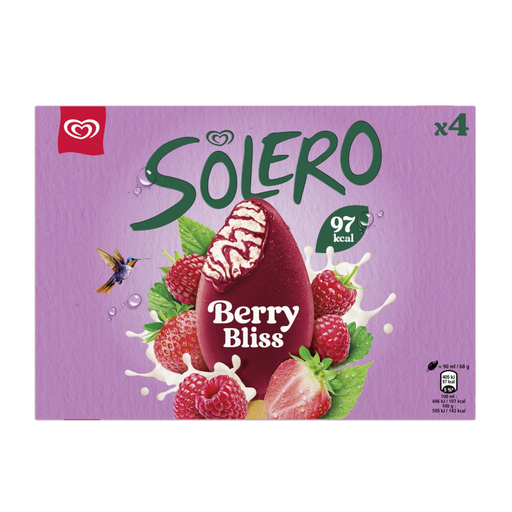 Image unavailable
If you’re having one lolly as a treat, its volume is shown. Check the recipe too before comparing it with other sizes.
The box contains four 90 ml lollies. Check the nutrition information and ingredients of the product you buy if sugars, saturated fat or milk matter to your choice.
No. It helps you compare similar products, but doesn’t replace checking the portion size and nutrition information. For a whole lolly, look in particular at the energy content for that lolly, along with sugars and saturated fat. Manger Bouger recommends using Nutri-Score as a guide for processed foods.
They answer different questions: figures per 100 g let you compare recipes on the same basis, while figures per lolly tell you about the portion you’ll eat. If the label only gives the total weight and number of lollies, check how much one lolly weighs before relating the nutrition information to that portion.
Check the ingredients and any trace warnings for each flavour in the box. Don’t assume every lolly has the same recipe. The Auchan and Carrefour products featured show why you should check for milk, soya, almonds and any other warnings on the variant you buy.
Check the storage instructions on the packaging and keep time out of the freezer to a minimum. The DGCCRF advises that a rise in temperature speeds up microbial growth. If you’re unsure whether the cold chain has been maintained, the appearance of the box isn’t enough to put your mind at rest.