If reducing fat is your main priority, start by looking at water ices and sorbets, then compare the nutrition information for the specific flavour. The products cited by Carrefour and E.Leclerc contain 0 to 0.5 g of fat per 100 g, compared with 16 to 23 g in several creamy or chocolate-coated ice lollies cited by retailers and Magnum. This choice alone doesn’t settle questions about sugars, portion size or pack format.
Who are these choices for?
Consumers looking to reduce their fat intake
You’re happy to swap a creamy ice lolly for a water ice or sorbet. The products cited by Carrefour and E.Leclerc show why it’s important to compare specific recipes: some contain 0 to 0.5 g of fat per 100 g, while several chocolate ice lollies contain 16 to 23 g.
Families buying multipacks
You’re looking for a pack that suits your freezer and the number of portions you need. Check the net weight and number of ice lollies, without assuming that a large pack or budget range will have the nutritional profile you’re looking for.
Fans of chocolate-coated ice lollies
You want to keep the creamy texture or chocolate coating. Compare the fat content per 100 g and per portion for the variant you’ve chosen: neither the brand nor the size of the ice lolly tells you everything about its recipe.
Which criteria should you check first?
First choose the type of ice lolly you prefer, then compare the fat and sugar content and portion size shown for the exact product.
| Criteria |
What to check |
Who is it for? |
| Fat |
The amount per 100 g or 100 ml and the amount in your portion; keep the units separate. |
If I want to reduce fat, I’ll start by comparing water ices and sorbets with creamy ice lollies. Around 50% of consumers make this their priority. |
| Pack format |
The net weight, number of ice lollies and size of each portion. |
To stock the family freezer, I need to know how many portions the pack actually contains. This format is the main priority for around 30% of consumers. |
| Texture and chocolate |
The fat content per portion, then the ingredients and allergens in the variant you’ve chosen. |
I want to stick with a creamy or chocolate-coated ice lolly, even if its nutritional information needs a closer look. This is the priority for around 20% of consumers. |
Common mistakes to avoid
-
Assuming a budget range tells you about its nutritional content
The product listings for Carrefour SIMPL, Auchan POUCE and E.Leclerc ECO+ show 16 g, 21 g and 22.5 g of fat per 100 g respectively for the products cited. A range’s positioning therefore doesn’t tell you its fat content.
Set your nutritional criteria first, then compare the pack formats of products that meet them.
-
Confusing low fat with low sugar
The SMICY mixed-fruit sorbet twist ice lolly listed by E.Leclerc contains 0 g of fat but 20 g of sugars per 100 g. One line in the nutrition table doesn’t tell you everything about a recipe.
Read the ‘fat’ and ‘of which sugars’ lines together, taking into account the portion you’ll eat.
-
Looking only at the number of ice lollies
Two packs with the same number of ice lollies may contain portions of different sizes. The number of ice lollies alone doesn’t tell you the total quantity.
Check the net weight and, where shown on the pack, the amount per ice lolly.
-
Assuming the label for one flavour applies to another
Ingredients and allergens can vary from one recipe to another. France’s Directorate-General for Competition Policy, Consumer Affairs and Fraud Control reminds shoppers that allergens must be highlighted in the ingredients list.
Check the packaging of the flavour you’re buying, especially if you need to avoid a particular allergen.
Brands to compare
Carrefour
The products cited include Carrefour Classic’ water ice tubes, SIMPL ice lollies and Carrefour Extra ice lollies.
- Carrefour Classic’ water ice tubes contain 0.5 g of fat per 100 g.
- The SIMPL vanilla and chocolate ice lollies contain 16 g per 100 g: the figures for the tubes don’t apply to the whole range.
E.Leclerc / Marque Repère
The retailer’s product listings let you compare a SMICY sorbet with ECO+ vanilla ice lollies.
- The SMICY mixed-fruit sorbet twist ice lolly contains 0 g of fat per 100 g.
- The ECO+ maxi vanilla ice lollies cited contain 22.5 g per 100 g: check each recipe separately.
Auchan / POUCE
The product cited is a box of 12 vanilla and chocolate ice lollies, with a total weight of 402 g.
- The number of ice lollies and net weight help you assess the pack size.
- Auchan’s product listing states that this product contains 21 g of fat and 23 g of sugars per 100 g.
ALDI / MUCCI
ALDI describes MUCCI as a range that includes ice creams and sorbets in different formats.
- The distinction between ice cream and sorbet gives you a starting point for comparing recipes.
- To choose a MUCCI ice lolly based on its fat content, check the nutrition information for the specific product.
Magnum
Magnum chocolate-coated ice lollies illustrate a choice based on a chocolate coating and creamy texture, rather than on reducing fat alone.
- Magnum gives the nutritional values for Double Chocolat per 100 g and per portion.
- According to Magnum, Double Chocolat contains 23 g of fat per 100 g; don’t assume this applies to other variants.
Ice lollies available on Joybuy
This selection includes multipacks of water ices and Binggrae Melona ice lollies in different flavours. To choose based on fat content, compare the nutrition information for each variant, keeping to the unit shown on its label.
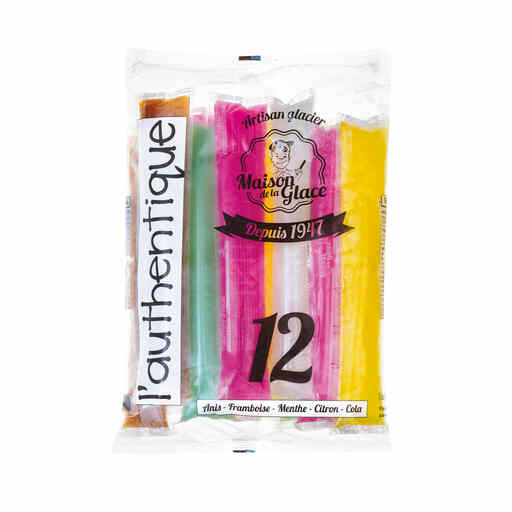 Image unavailable
Maison de la Glace Water Ice Pops, 5 flavours, 12 pieces, 1 200 g
A water ice to consider if you prefer this type of lolly to a creamy recipe. Compare the fat and sugar content on the packaging, and check the allergen information for the product you buy.
View on Joybuy
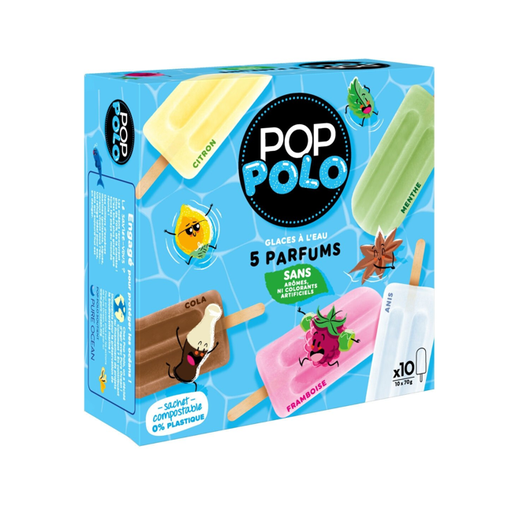 Image unavailable
POP POLO Water Ice Lollies, 5 flavours, 10 pieces, 700 g
This water ice pack is a handy way to compare flavours and pack sizes. Check the ‘of which sugars’ line for the flavour you choose, as the recipe may vary between flavours.
View on Joybuy
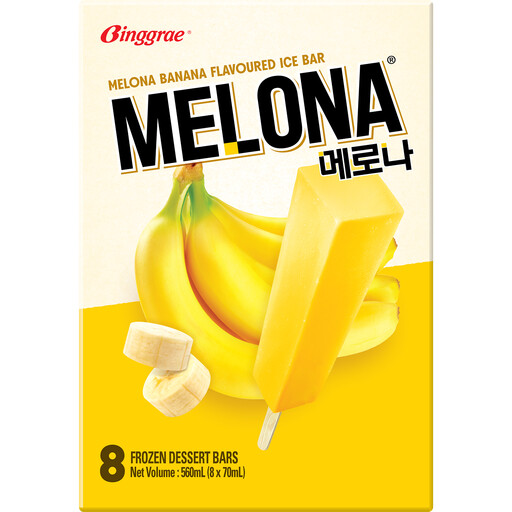 Image unavailable
Binggrae Melona Banana, ice lollies, 8 × 70 ml
Worth considering if you prefer a creamy banana-flavoured ice lolly. Check the fat and sugar content on the label: a figure per 100 ml can’t be compared directly with one per 100 g. Check the ingredients list if milk is a concern for you.
View on Joybuy
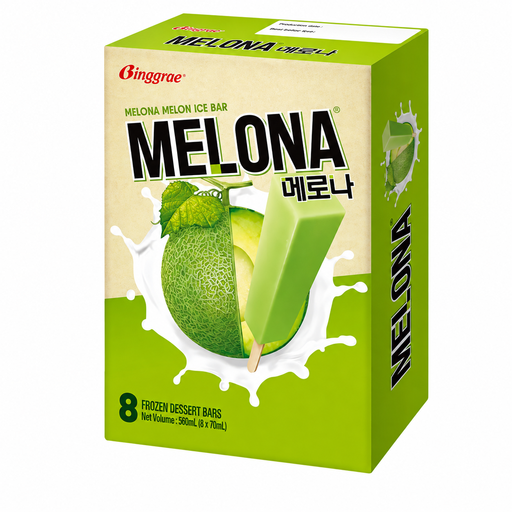 Image unavailable
Binggrae Melona Melon, ice lollies, 8 × 70 ml
A melon-flavoured option if you want to compare creamy ice lollies in the same format. Keep the nutritional values per 100 ml separate from those per 100 g. The product listing includes a warning that the colour E102 may affect children’s activity and attention; check the label on the pack you choose.
View on Joybuy
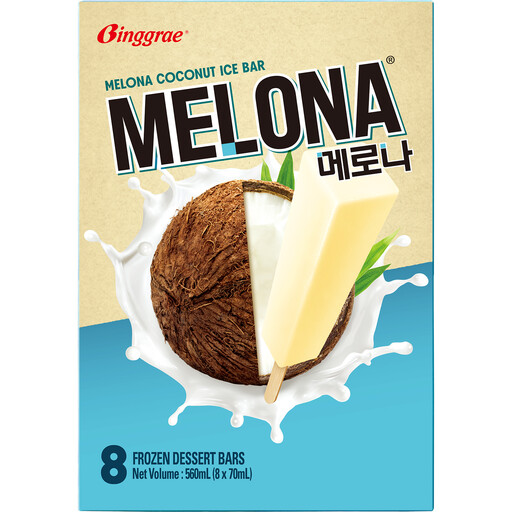 Image unavailable
Binggrae Melona Coconut, ice lollies, 8 × 70 ml
A coconut-flavoured option to consider if you’re looking for this flavour in a multipack. Compare its nutrition information with the other variants and check the ingredients list, especially if coconut milk is important to you.
View on Joybuy
Frequently asked questions
How do you compare the fat content of two ice lollies?
Check the amount of fat per 100 g or 100 ml on each pack, then look at the portion size. France’s Directorate-General for Competition Policy, Consumer Affairs and Fraud Control explains that nutrition information per 100 g or 100 ml makes comparisons easier. However, don’t compare a figure per 100 ml directly with one per 100 g.
Are water ices and sorbets always low in sugar?
No. The amount of fat doesn’t tell you how much sugar a product contains. The SMICY mixed-fruit sorbet twist ice lolly listed by E.Leclerc contains 0 g of fat and 20 g of sugars per 100 g; check both figures for the product you’re interested in.
What should you check on the label if you have an allergy?
Check the ingredients list and the allergens highlighted on the packaging for the exact flavour. Recipes can differ, even between variants in the same range, so don’t assume one ice lolly has the same ingredients as another.
How should you transport and store ice lollies?
Keep them cold while transporting them and put them in the freezer promptly, following the instructions on the packaging. Don’t refreeze a product once it has thawed.


